Sudan’s Siege‑Driven Famine Pushes 375,000 to Extreme Hunger as Displacement Hits 12 Million
Siege tactics in Darfur and Kordofan have left 375,000 in extreme hunger and forced nearly 12 million Sudanese to flee, creating the world’s largest displacement crisis.
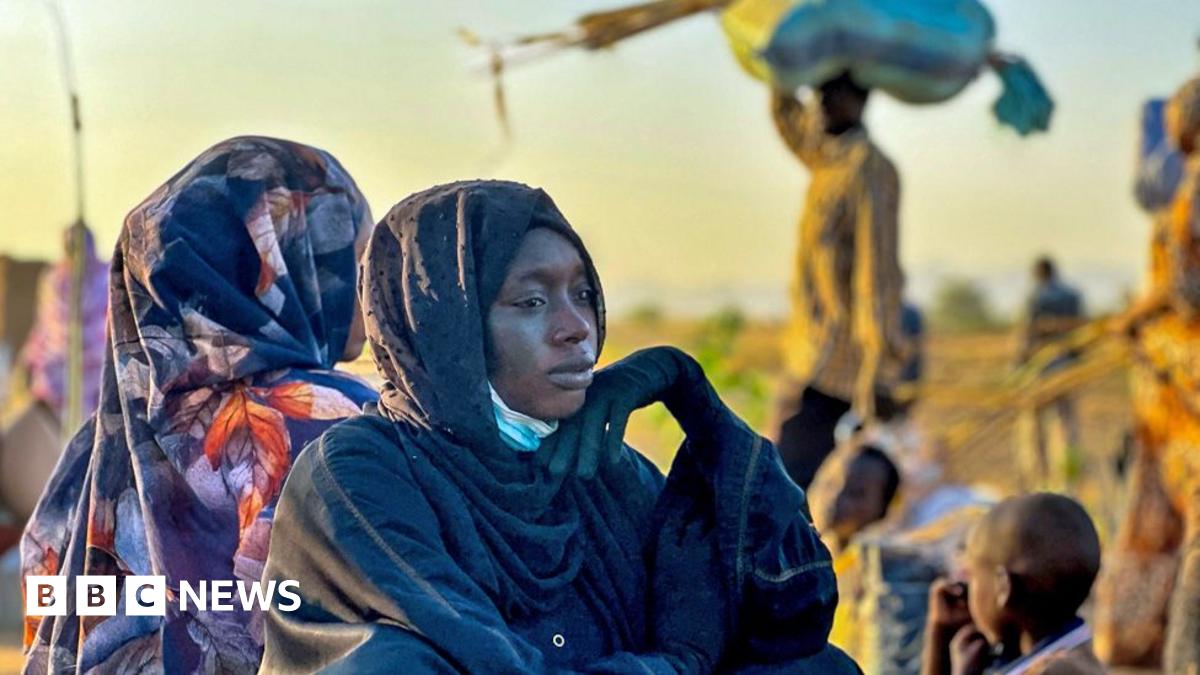
Displaced women rest, one seen with her head resting on her hand, in the town of Tawila after fleeing el-Fasher following the city's fall to the Rapid Support Forces (RSF) - October 2025.
TL;DR
Siege tactics in Sudan’s western and central regions have left 375,000 people in extreme hunger and forced almost 12 million to flee their homes.
The war between Sudan’s armed forces and the Rapid Support Forces (RSF) has turned large swaths of Darfur and Kordofan into food‑insecure zones. Blockades prevent food, fuel and medicine from reaching markets, driving prices beyond what families can afford. In November, the Integrated Food Security Phase Classification declared famine in the besieged city of el‑Fasher, a status now echoed in neighboring states.
By September, the Global Report on Food Crises recorded about 375,000 individuals in North Darfur, South Kordofan and West Kordofan experiencing the most severe hunger level. The same report notes that humanitarian access remains severely limited, compounding the crisis.
Displacement has exploded alongside famine. By the end of 2025, nearly 12 million Sudanese were internally displaced, the largest such population worldwide. Families like Marasi Alfadil’s, who escaped el‑Fasher days before the RSF seized the city, now live in half‑finished shelters in Omdurman with scant food and no services. Alfadil says any attempt to bring supplies into the siege zones resulted in detention or death.
Another displaced mother, Taqwa, fled West Kordofan with newborn twins and struggles to afford basic staples. Her plight illustrates how aid shortages and high food prices persist even in relatively safer areas such as Khartoum’s outskirts.
The humanitarian picture is grim: the United Nations estimates over 25 million Sudanese—more than half the population—face crisis‑level food shortages, including 4.2 million children under five. Funding gaps and ongoing violence continue to block aid deliveries to the hardest‑hit regions.
What It Means The convergence of siege‑induced famine and mass displacement threatens to destabilize Sudan further and could spill over into neighboring countries as refugees seek safety. Monitoring the security situation around key supply routes and the flow of international aid will be critical in the coming months.
Continue reading
More in this thread
Fact Check: Datti Baba‑Ahmed’s 2023 Election Claim and Party Switch
Nadia Okafor
Waziri Ibrahim’s 1983 Rally Cancellation Shows Politics Can Be Civil
Nadia Okafor
Fact Check: King Charles’ Congress Speech Claims on Magna Carta, Historical Precedent, and Trump Quote
Nadia Okafor
Conversation
Reader notes
Loading comments...