Sudan's Health Crisis: Drug Shortages Hit Key Hospital Amid Widespread Facility Shutdowns
Sudan's healthcare system struggles with 37% of facilities non-functional and severe drug shortages, impacting patients and leading to 2,052 healthcare worker deaths.
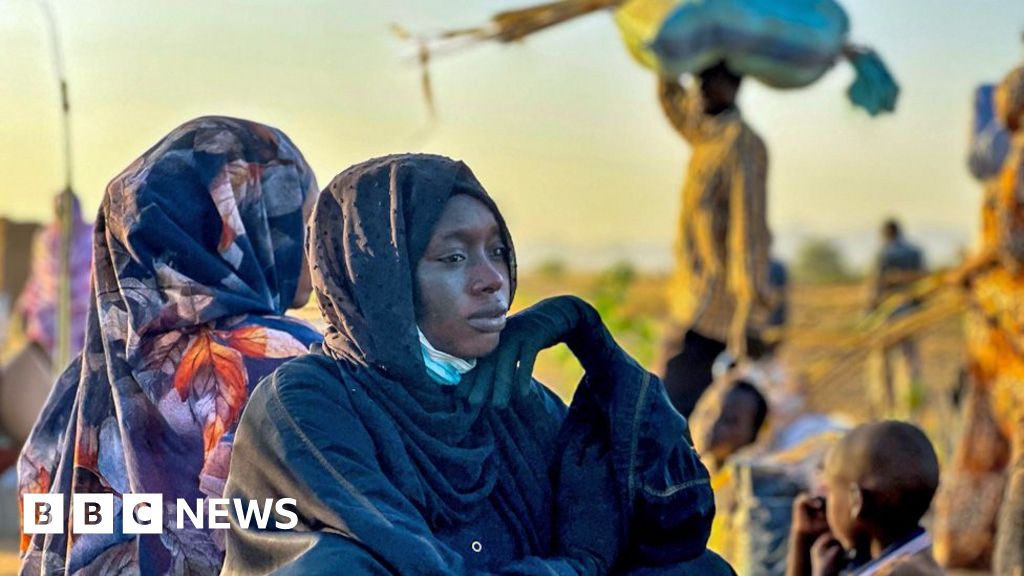
Displaced women rest, one seen with her head resting on her hand, in the town of Tawila after fleeing el-Fasher following the city's fall to the Rapid Support Forces (RSF) - October 2025.
**TL;DR** **Sudan's healthcare infrastructure faces severe collapse, with 37% of facilities non-functional and critical drug shortages impacting even the country's sole tropical disease hospital.** The conflict has also resulted in 2,052 healthcare worker deaths.
**Context** The three-year conflict in Sudan has crippled its public health system. Essential services are scarce, and medical supply chains are severely disrupted. The Tropical Diseases Teaching Hospital in Omdurman, a critical facility for treating infectious diseases, now operates under immense pressure.
**Key Facts** Sudan's health ministry reports that 37% of the country’s health facilities are non-functional due to the ongoing war. This widespread shutdown affects access to basic medical care across the nation. Adding to this, the World Health Organization (WHO) verified at least 217 attacks on Sudan’s health infrastructure. These incidents resulted in the deaths of 2,052 healthcare workers, further depleting the already strained medical workforce.
Patients directly experience these systemic failures. Omar Othman, receiving treatment at the Tropical Diseases Teaching Hospital for pulmonary tuberculosis, found essential medication unavailable on his second visit. He then had to purchase these vital drugs privately at high cost, illustrating the direct financial burden on individuals.
**What It Means** The operational stress on facilities like the Tropical Diseases Teaching Hospital is substantial, managing increased patient loads with reduced resources. This breakdown of services exacerbates public health risks, particularly the spread of infectious diseases. The lack of readily available and affordable medication delays treatment, potentially worsening patient outcomes and increasing transmission rates for conditions like tuberculosis. The ongoing conflict creates an environment where basic medical care becomes a luxury, not a right.
The humanitarian challenge remains immense. International and local efforts to restore essential health services and ensure consistent medical supply chains will remain a critical focus in the coming months.
Conversation
Reader notes
Loading comments...