Sudan’s Displacement Tops 12 Million as Famine Spreads
UN reports show nearly 12 million internally displaced in Sudan and 375,000 facing catastrophic hunger as famine worsens.
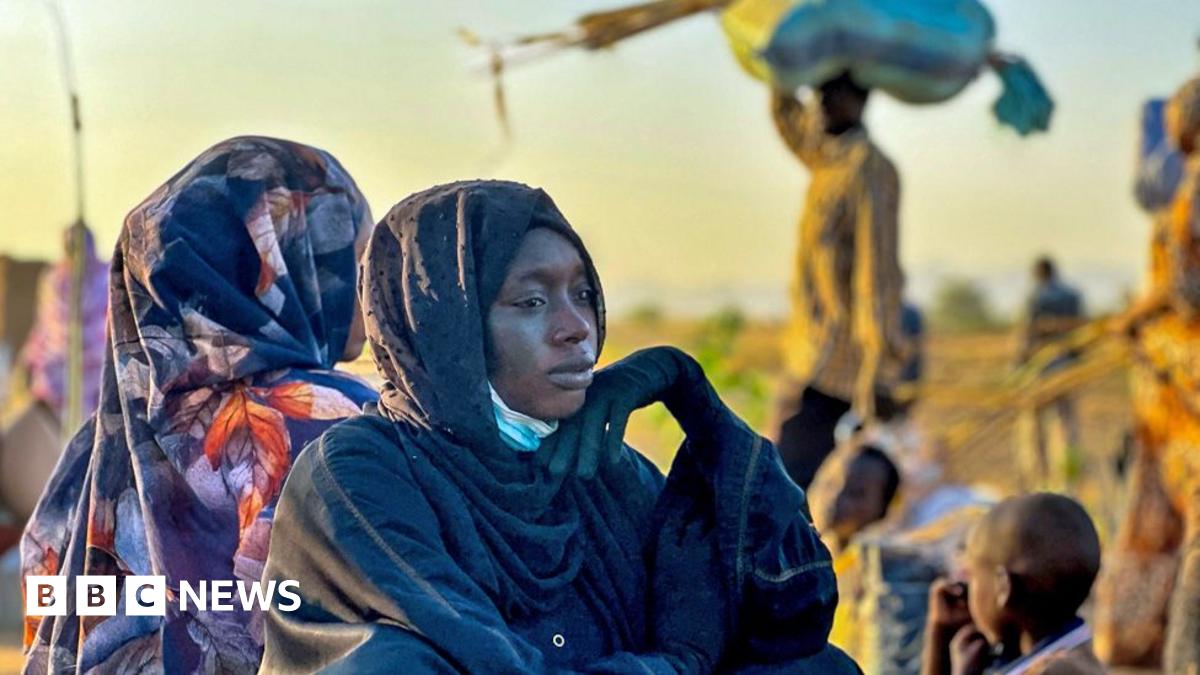
Displaced women rest, one seen with her head resting on her hand, in the town of Tawila after fleeing el-Fasher following the city's fall to the Rapid Support Forces (RSF) - October 2025.
TL;DR
By the end of 2025, nearly 12 million people in Sudan were internally displaced—the highest number globally—and about 375 000 faced catastrophic hunger (IPC Phase 5) in North Darfur, South Kordofan and West Kordofan.
Context
Sudan’s three‑year civil war has forced families from their homes, cutting off markets, farms and aid routes. In besieged towns such as el‑Fasher, blockades have halted food, fuel and medicine, pushing hunger to famine levels. Displaced people often settle in informal shelters in cities like Omdurman, where services are scarce and food prices remain high.
Key Facts
The UN’s Internal Displacement Monitoring Centre recorded nearly 12 million internally displaced persons by December 2025, making Sudan the world’s largest internal displacement crisis. This figure comes from a nationwide registration system that tracks individuals over time—a cohort‑style surveillance effort covering more than 11 million people.
The IPC analysis classified around 375 000 people in North Darfur, South Kordofan and West Kordofan as facing catastrophic hunger (IPC Phase 5) by September 2025. The IPC approach combines household surveys, market assessments and nutrition screenings, an observational method that shows correlation between conflict‑related access restrictions and severe food insecurity but does not prove causation on its own.
Taqwa, a mother of newborn twins who fled West Kordofan, said she cannot afford meat or flour to feed her babies and is unable to work while caring for them. Her testimony illustrates how loss of livelihood and limited aid translate into daily struggles for nutrition and income.
What It Means
For readers, the data signal that humanitarian needs in Sudan are outpacing available assistance, with funding gaps and insecurity limiting aid delivery. Practical steps include supporting vetted NGOs that provide cash‑based assistance or nutrition programs, and monitoring UN appeals for additional resources. Continued displacement and hunger raise the risk of disease outbreaks and long‑term developmental harm, especially among children under five.
What to watch next
Analysts will track whether upcoming peace talks restore humanitarian corridors and whether donor conferences meet the UN’s $4.2 billion funding appeal for 2026.
Continue reading
More in this thread
Ondo Police Confirm Suicide of 20‑Year‑Old Rufus Giwa Polytechnic Student
Dr. Priya Sharma
Fake Nursing Diplomas Sold for $17,000, Triggering 21-Month Sentence
Dr. Priya Sharma
Google Gemini AI Routes Crisis Hotlines While Continuing Mental Health Dialogues
Dr. Priya Sharma
Conversation
Reader notes
Loading comments...