Streeting’s CGT overhaul promises £12bn, but expert warns entrepreneur relief is unworkable
Wes Streeting proposes equalising capital gains tax with income tax, targeting £12bn revenue, while experts doubt the feasibility of entrepreneur relief.
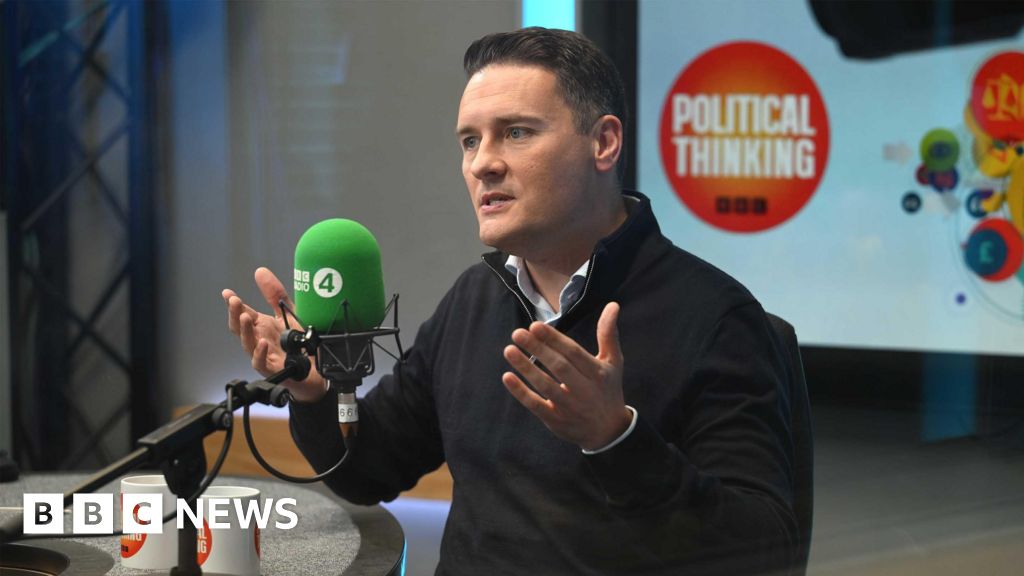
Former Health Secretary Wes Streeting giving an interview to the BBC's Political Thinking podcast
TL;DR
Wes Streeting’s plan to align capital gains tax with income tax could raise £12 billion a year, but experts warn that rewarding “genuine entrepreneurs” with lower rates is impractical.
Context Former Health Secretary Wes Streeting has positioned a “wealth tax that works” at the heart of his Labour leadership bid. The proposal centres on reforming capital gains tax (CGT) – the levy on profit from selling assets such as property – by matching its rates to the three income‑tax bands of 20%, 40% and 45%. Streeting argues the current system penalises work and that a level playing field would spur investment.
Key Facts - Streeting estimates the reform could generate £12 billion annually, adding to a Centre for the Analysis of Taxation forecast that broader CGT changes could raise £14 billion. - The plan would calculate a taxpayer’s CGT band by adding income and asset profits, closing loopholes that disguise earnings as capital gains. - A lower CGT rate would be offered to entrepreneurs who take risks building companies, a move Streeting says would encourage genuine business creation. - Helen Miller of the Institute for Fiscal Studies cautions that previous attempts to reward entrepreneurs with reduced CGT have failed because “it is not possible to identify in advance who ‘genuine entrepreneurs’ are.” - Tax commentator Adam Jefferies notes the proposal is effectively an increase in CGT on non‑business assets rather than a new wealth tax, and that similar ideas have been floated before. - Labour rules require Streeting to secure backing from 81 Labour MPs to trigger a leadership challenge; he has not yet done so.
What It Means If implemented, the alignment of CGT with income tax would raise the rate for many asset sellers from the current 24% to up to 45%, widening the tax gap between high‑income earners and capital owners. The promised £12 billion could fund a cut to the basic income‑tax rate or be allocated to defence, as suggested by tax policy analyst Dan Neidle. However, the entrepreneur relief component faces practical hurdles; without a reliable method to verify “genuine” business risk‑takers, the lower rate could be vulnerable to abuse or require complex administration.
The proposal also signals Streeting’s broader ambition to reshape Labour’s fiscal narrative ahead of a potential leadership contest. Watch for Labour MPs’ response to the CGT plan and whether Streeting can marshal the 81‑MP threshold needed to force a leadership vote.
Continue reading
More in this thread
Zardari Cites 14 China Visits, Calls CPEC Transformative at 75‑Year Anniversary
Nadia Okafor
Pakistan and China Mark 75 Years of Diplomatic Ties, Pledge Deeper CPEC Cooperation
Nadia Okafor
World Health Assembly Condemns Iranian Strikes, Flags Hormuz Closure as Global Health Risk
Nadia Okafor
Conversation
Reader notes
Loading comments...