Stephen A. Smith Rejects Sexism Claims, Insists Reporter Must Avoid Appearance of Bias in Vrabel Situation
Stephen A. Smith addressed Dianna Russini's exit, rejecting sexism claims and highlighting a reporter's obligation to maintain objective appearance with NFL coaches.
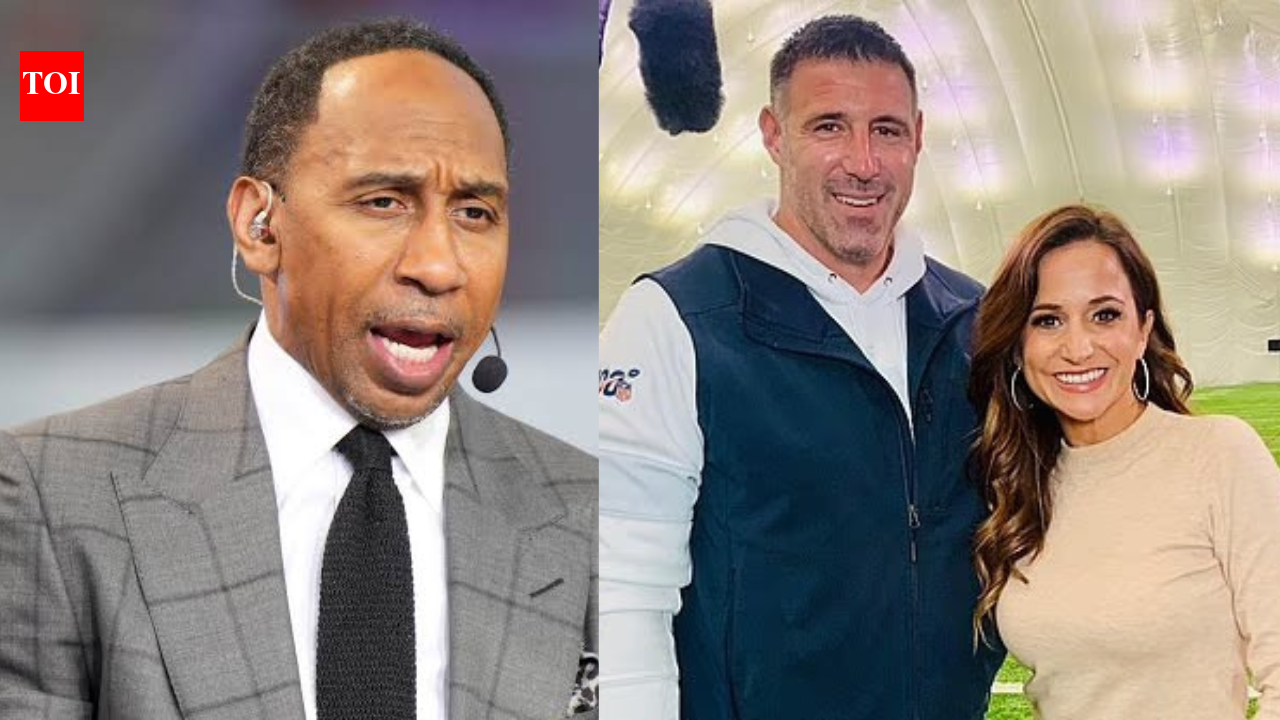
TL;DR
Stephen A. Smith stated he does not believe sexism influenced Dianna Russini's exit from The Athletic, instead emphasizing a reporter's obligation to maintain objective appearance when interacting with NFL head coaches. He argued that Russini, as a reporter, held the primary responsibility for avoiding situations that could question her impartiality regarding Mike Vrabel.
Context Reporter Dianna Russini departed The Athletic after photos surfaced showing her with NFL head coach Mike Vrabel. Both Russini and Vrabel, who are married, denied any wrongdoing related to the online images. Russini later stated she chose to step down from her role before her contract expired on June 30, aiming to prevent a "narrative" from continuing to build around the situation. She also suggested that the public reaction might have been influenced by sexism.
Key Facts Stephen A. Smith publicly addressed Russini's departure and her suggestion of sexism, rejecting this claim. He stated his belief that the responsibility for maintaining an unquestionable level of objectivity rests with the reporter, particularly when covering a figure like an NFL head coach. Smith articulated, "he's the head coach of an NFL team. She's a reporter. The onus is on her to make sure her objectivity is not skewed in any way."
Smith also praised Russini's professional abilities and character. He described her as "a wonderful person" and "a damn good reporter," affirming his respect for her and stating he would grant her the benefit of the doubt regarding her denials of wrongdoing. Despite this personal support, Smith maintained that reporters must proactively avoid situations that could even appear to compromise their impartiality or create an impression of bias.
What It Means Smith's comments shift the public discussion from allegations of sexism to the professional standards of sports journalism and the crucial aspect of perceived objectivity. His perspective introduces a significant talking point within sports media regarding the boundaries between professional relationships and the public's perception of impartiality. The situation prompts media organizations and individual journalists to evaluate their interactions with high-profile figures and the potential for perceived conflicts of interest.
This event could influence how sports organizations develop and communicate ethical guidelines for their reporting staff. Observers will monitor ongoing industry conversations about reporter conduct and the balance between personal and professional interactions.
Continue reading
More in this thread
Warriors Consider Florida’s Todd Golden as Kerr Successor
Marcus Cole
Warriors Eye Florida Coach Todd Golden as Potential Successor to Steve Kerr
Marcus Cole
705 Sailors from 59 Nations Launch 57th French Olympic Week in Hyères as Maeder Urges Perspective Shift
Marcus Cole
Conversation
Reader notes
Loading comments...