States Push Self‑Checkout Limits as Shoplifting Fears Rise, Though No Laws Yet Enacted
States are exploring new self-checkout regulations to curb theft, with proposals for staffed lanes and item limits. No laws have been enacted yet.
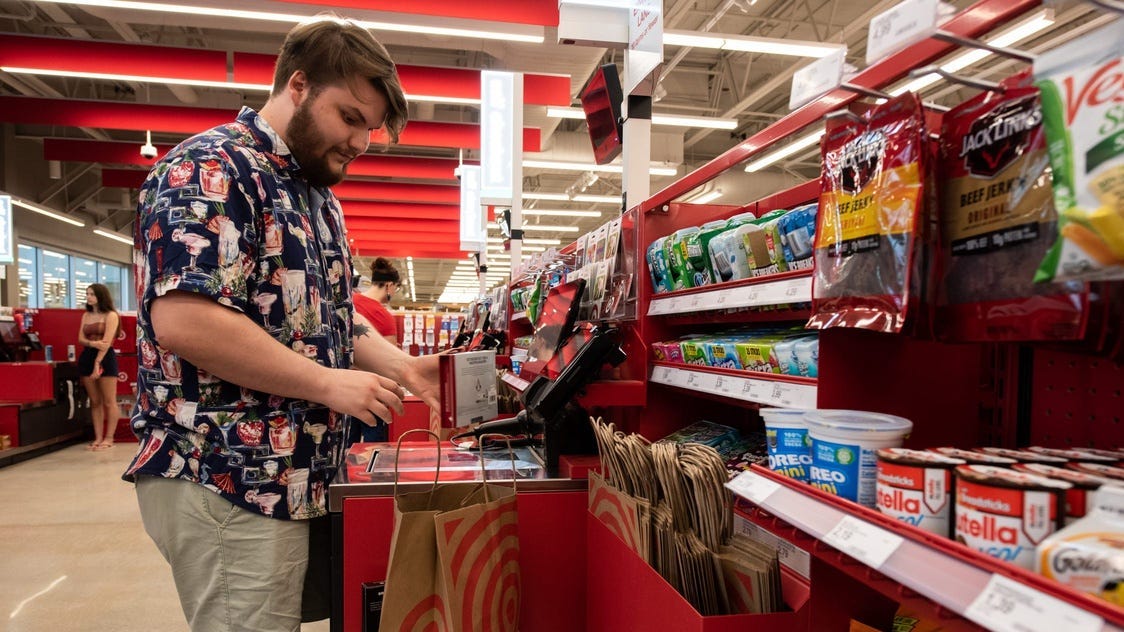
TL;DR
States are actively considering new regulations for self-checkout systems in retail stores. This legislative push aims to address rising concerns over increased shoplifting, though no such laws have been enacted to date.
Context Retailers increasingly offer self-checkout options, shifting transaction responsibilities to customers. This convenience, however, coincides with a notable increase in retail theft at these stations. Lawmakers are now examining potential changes to store operations to mitigate these losses and balance customer experience with security needs. The expansion of self-service technology across grocery and convenience stores has brought both efficiency gains and new challenges.
Key Facts Data indicates self-checkout theft registers up to 65% higher than incidents occurring at employee-staffed checkouts. This significant difference drives calls for legislative action from various state legislatures. Consequently, multiple states are exploring diverse regulatory frameworks designed to curb these losses. For instance, California's proposed SB 442 would mandate that stores operating self-checkouts also maintain at least one employee-staffed checkout open to assist customers. This ensures human oversight and assistance remain available during peak hours or for complex transactions. Other legislative discussions often involve establishing specific staff-to-machine ratios, imposing limits on the number of items customers can process at self-checkouts, or restricting the sale of certain age-restricted items, like alcohol or tobacco, at these kiosks. Despite these widespread discussions and numerous proposed bills in states like Connecticut, Massachusetts, New York, Ohio, and Rhode Island, no state has enacted self-checkout legislation as of April 22.
What It Means The current absence of enacted laws means retailers maintain discretion over their self-checkout policies, including staffing levels and item restrictions. Should proposed legislation advance, such as requirements for mandatory staffed lanes, employee supervision ratios, or item limits, they could significantly alter store layouts and staffing models. These changes would likely increase operational costs for retailers, necessitating investments in additional staff or system modifications, while potentially impacting the speed and convenience of transactions for consumers. The legislative initiatives reflect a broader effort to formalize security measures in response to evolving retail practices, signaling a potential re-evaluation of the purely self-service model.
The focus remains on balancing customer convenience with effective loss prevention strategies. Watch for continued legislative debates in various state houses as lawmakers weigh public safety against retail efficiency, potentially shaping future shopping experiences nationwide.
Continue reading
More in this thread
DOJ Drops Powell Probe, Clearing Path for Warsh Confirmation
Nadia Okafor
US Army Master Sergeant Charged with Insider Trading After Profiting $410K on Polymarket Bets on Maduro Capture
Nadia Okafor
Missouri Gov. Mike Kehoe Signs Antisemitism, Hemp, and Dome Governance Bills Into Law
Nadia Okafor
Conversation
Reader notes
Loading comments...