Starmer’s King’s Speech to Align with EU Rules, Tax Tourists and Raise Electricity Windfall Tax
Starmer will propose EU food standards, a tourist tax for English mayors, and raise the electricity windfall tax to 55% in the upcoming King’s Speech.
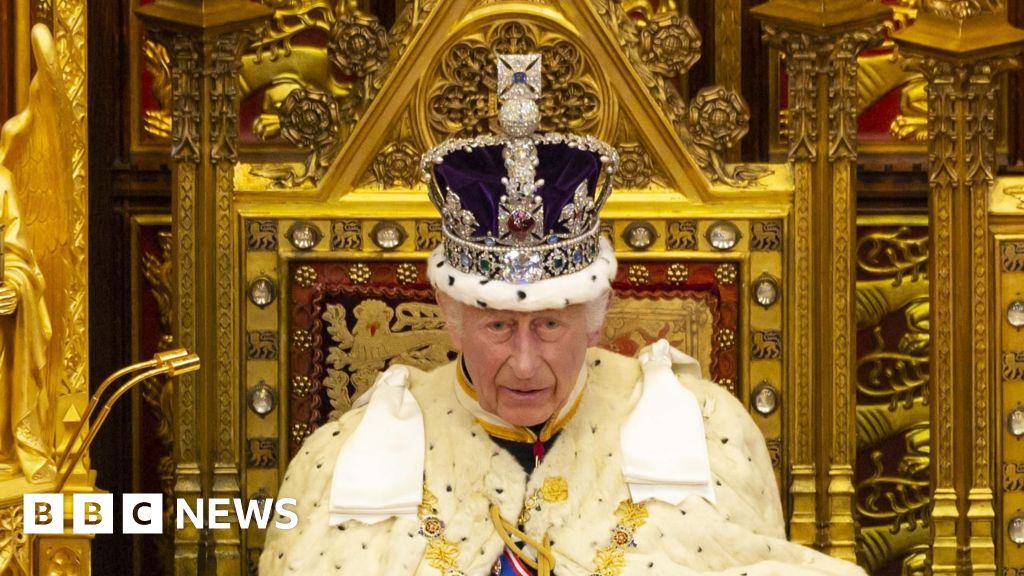
King Charles wearing a crown and sitting on a gold throne in white ermine robes
TL;DR: The upcoming King’s Speech will introduce EU‑aligned food standards, a consultation on overnight tourist taxes for English regions, and a jump in the electricity windfall tax from 45% to 55%.
Context On Wednesday, Charles III will deliver the King’s Speech, outlining the government’s legislative agenda for the new parliamentary session. Prime Minister Sir Keir Starmer faces intense scrutiny as he seeks to reset Labour’s post‑election course.
Key Facts - The government plans legislation that would let the UK adopt selected EU single‑market rules, starting with food safety and labeling standards. This move aims to smooth trade with the bloc without rejoining the customs union. - Local Government Secretary Steve Reed launched a November consultation allowing English regional mayors to levy an overnight tourist tax on visitors staying in hotels or short‑term rentals. The proposal targets revenue generation for local services. - The Treasury will raise the windfall tax on electricity companies’ excess profits from 45% to 55%, increasing the levy on profits deemed above normal returns.
What It Means Adopting EU food standards could reduce barriers for British exporters, potentially boosting sales to European markets while aligning consumer protections. However, it also re‑introduces EU regulatory oversight in a sector that has diverged since Brexit. The tourist tax consultation gives mayors a new fiscal tool to fund infrastructure, transport and cultural projects that benefit both residents and visitors. If implemented, cities such as Manchester or Birmingham could see additional revenue streams, but the tax may raise accommodation costs for tourists. Increasing the electricity windfall tax raises the cost of excess profits for power generators, directing more revenue to the Treasury for public spending or debt reduction. The higher rate may discourage aggressive profit‑taking but could also affect investment decisions in the energy sector, especially as the UK pushes for greener generation. Together, these measures signal a pragmatic Labour agenda: tightening fiscal tools, easing trade frictions with the EU, and extracting more from profitable utilities. The next weeks will reveal how Parliament debates each proposal and whether they survive the legislative process.
Looking ahead, watch the parliamentary debates for the EU alignment bill, the outcome of the tourist‑tax consultation, and industry responses to the higher electricity windfall tax.
Continue reading
More in this thread
Conversation
Reader notes
Loading comments...