Starmer Faces Leadership Test as King's Speech Sets Out 35+ Bills Amid Tory Alternative
Starmer's leadership is tested as the King's Speech presents over 35 bills while the Conservatives propose an alternative that includes leaving the European Convention on Human Rights.
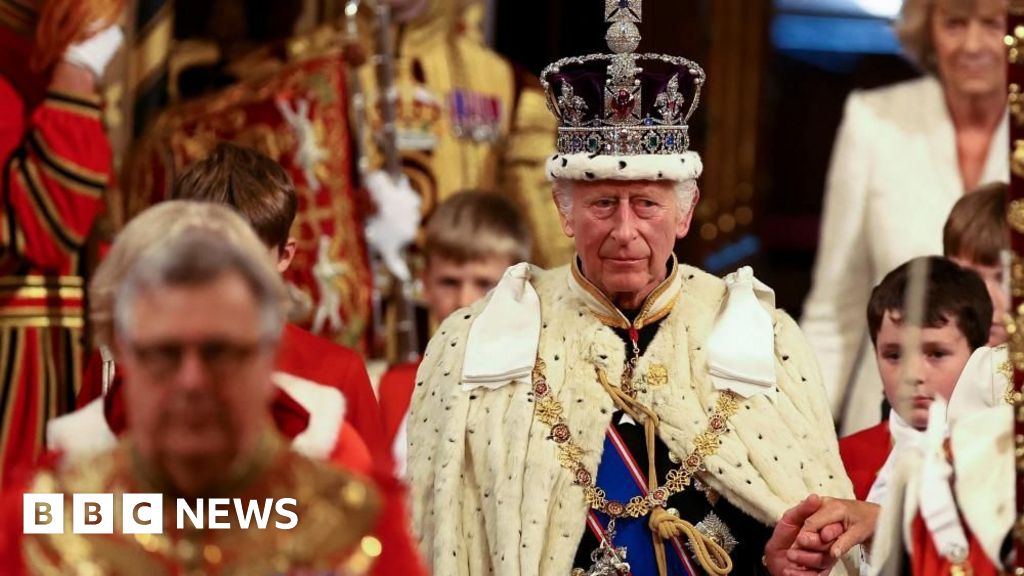
King Charles III is wearing the Imperial State Crown and the Robe of State as he leads the royal procession in the House of Lords. His left hand is held and he has four page boys dressed in red and white to his side.
TL;DR: Sir Keir Starmer faces a leadership test as the King's Speech unveils over 35 bills spanning immigration, NHS, police reforms and a possible nationalisation of British Steel, while the Conservatives present an alternative agenda that includes withdrawing the UK from the European Convention on Human Rights. This contrast sets the stage for a critical parliamentary showdown that will gauge Starmer’s ability to hold his party together.
After disappointing local election results, Starmer’s authority within Labour is being openly questioned by senior figures who doubt his capacity to deliver the government’s ambitious programme. Several cabinet ministers and backbench MPs have warned that internal splits could undermine the legislative agenda unless the prime minister secures broader support. The State Opening of Parliament therefore takes place under heightened pressure, requiring Starmer to demonstrate both unity and competence before MPs convene for debate.
The King's Speech will present more than 35 bills and draft bills, addressing immigration policy, NHS waiting‑time targets, police accountability measures and a potential pathway to nationalising British Steel. Starmer told the public that people expect the government to “get on with the job of changing our country for the better,” emphasizing cost‑of‑living relief, shorter hospital waits and stronger national security. In response, the Conservative Party released an Alternative King's Speech that includes a bill to withdraw the UK from the European Convention on Human Rights and repeal the Human Rights Act, alongside proposals on immigration tightening, welfare reform and expanded North Sea oil and gas extraction.
The sheer volume of legislation tests Starmer’s ability to keep Labour united, as any significant rebellion could delay or reshape flagship bills. The Tory alternative underscores a deep ideological split, particularly over human‑rights law, which may become a flashpoint during debates and committee scrutiny. If Labour fails to pass its agenda, confidence in Starmer’s leadership could erode further, complicating his prospects ahead of the next electoral cycle.
Analysts will watch how Labour whips manage dissent during the Commons debate on the King's Speech, whether the Conservative alternative gains traction in committee stages and if any concessions are made to appease rebellious MPs.
Continue reading
More in this thread
Conversation
Reader notes
Loading comments...