Starmer Calls for Whole‑Society Action as UK Terror Threat Rises to Severe
UK raises terrorism threat to severe; Prime Minister Starmer hosts Downing Street summit and pledges £25 million for police patrols and Jewish community security.
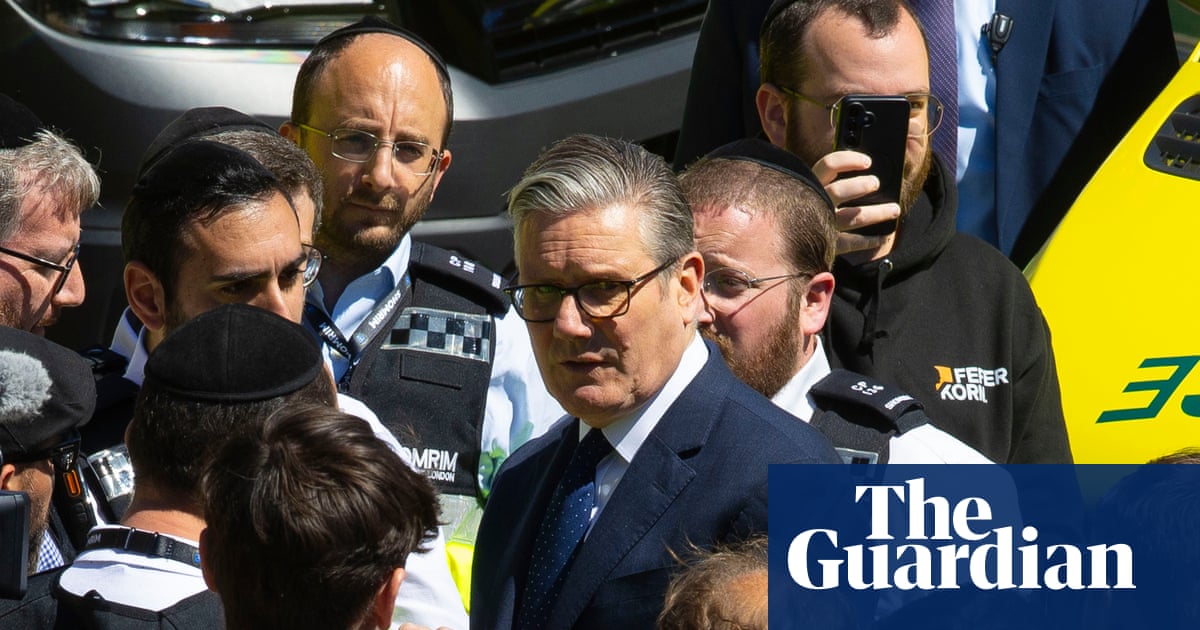
TL;DR: The UK raised its terrorism threat level to severe and Prime Minister Keir Starmer is convening a Downing Street summit, backed by £25 million for police patrols and security at Jewish sites.
Context On 30 April, Britain upgraded its terrorism threat level from substantial to severe, the first such increase in four years. The change follows a series of antisemitic attacks, including the stabbing of two Jewish men in Golders Green on 29 April and a series of arson incidents targeting Jewish charities.
Key Facts Prime Minister Keir Starmer announced a summit at Downing Street on Tuesday, bringing together senior figures from business, culture, health, higher education and policing. Each sector’s secretary will chair a round‑table with community leaders to map antisemitism’s forms, assess current measures and identify further steps. The prime minister stressed that “it is not enough to simply say we stand with Jewish communities” and called for a “whole of society” effort to eradicate antisemitism.
The government also unveiled an additional £25 million package. The funds will finance increased police patrols in areas with large Jewish populations and upgrade security at synagogues, schools and community centres. This follows the Metropolitan Police’s classification of the Golders Green stabbing as a terrorist incident and a series of arrests linked to recent arson attacks on Jewish sites.
The summit will run alongside an afternoon meeting of the Middle East Response Committee, which will examine domestic security implications of the conflict in the Middle East, particularly the heightened risk to Jewish communities.
What It Means Raising the threat level signals that intelligence agencies assess a higher likelihood of terrorist activity. The £25 million injection aims to deter attacks through visible policing and hardened infrastructure. By involving leaders from multiple sectors, the government seeks to embed protective measures beyond law enforcement, encouraging private‑sector vigilance and community outreach.
The success of this approach will hinge on coordination between police, local authorities and the organisations that host Jewish activities. Monitoring the deployment of patrols and the effectiveness of security upgrades will be crucial in determining whether the heightened threat level translates into reduced incidents.
Looking ahead, observers will watch how quickly the new funding is allocated, whether the summit produces concrete policy commitments, and how the threat level evolves in response to domestic and international developments.
Continue reading
More in this thread
Conversation
Reader notes
Loading comments...