Starmer confronted over Mandelson vetting cover‑up as Badenoch accuses him of scapegoating staff
Prime Minister Starmer faces scrutiny over Peter Mandelson's failed security vetting for US ambassador. Kemi Badenoch accuses PM of blaming staff for the controversy.
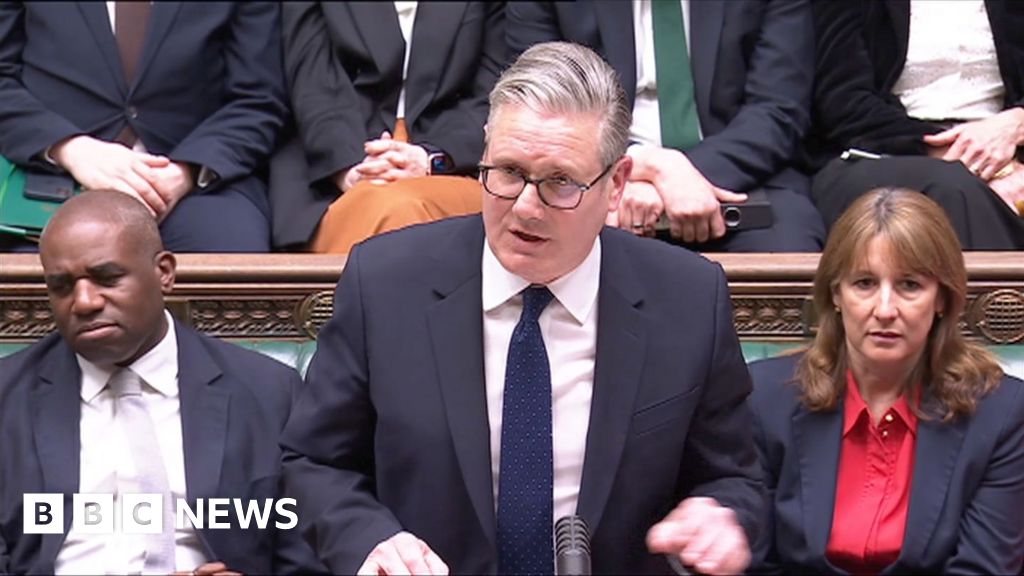
Keir Starmer in Commons
TL;DR
Prime Minister Keir Starmer faced parliamentary questioning regarding the security vetting of Peter Mandelson for the US ambassador role. Opposition figures, including Kemi Badenoch, accused Starmer of deflecting blame onto government staff for the controversy.
The Prime Minister confronted sharp questions in Parliament over the handling of Peter Mandelson's security vetting for the prospective US ambassador position. The controversy stems from revelations that Mandelson's vetting process encountered significant issues. Starmer asserted that senior officials made a "deliberate decision" to withhold information from him, specifically that Mandelson had not cleared security checks.
Security vetting officers explicitly recommended against appointing Peter Mandelson as US ambassador, citing undisclosed concerns. Despite this expert advice, the Foreign Office ultimately decided to overrule the recommendation, proceeding with the appointment process. A critical aspect of the unfolding situation is that officials deliberately chose not to inform the Prime Minister that Peter Mandelson had failed this essential security vetting. This meant the highest office remained unaware of the security assessment's outcome.
Kemi Badenoch, a prominent figure in the opposition, directly accused the Prime Minister of shifting responsibility for the Mandelson vetting controversy. She stated Starmer was "throwing his staff and officials under the bus," implying an attempt to deflect blame onto civil servants. This accusation frames the situation as a test of leadership accountability, focusing on who bears responsibility for high-stakes government decisions and their communication. The Prime Minister's office has not directly addressed the specific individuals or departments responsible for these choices.
This situation brings into focus critical issues of transparency and internal governance within the UK government. It prompts scrutiny of how security advice is weighed against political decisions and the chain of command for communicating sensitive information. The controversy also highlights the complex relationship between political leadership and the civil service. Future parliamentary debates and potential internal investigations will likely examine these communication failures and accountability frameworks. The public and political observers will monitor closely for any policy changes or personnel shifts resulting from this incident.
Continue reading
More in this thread
Kim Jong‑un backs China on Taiwan, expands Belarus ties
Nadia Okafor
Cooper’s abrupt return undermines UK Hormuz diplomacy amid Mandelson appointment scandal
Nadia Okafor
Israel's Memorial Day Excludes Palestinian Deaths Amid Rising Right-Wing Narrative
Nadia Okafor
Conversation
Reader notes
Loading comments...