Spirit Airlines Halts Operations After $500 Million Trump Bailout Fails
Spirit Airlines shuts down after a $500 million Trump bailout talks collapse, with soaring jet fuel costs delivering the final blow.
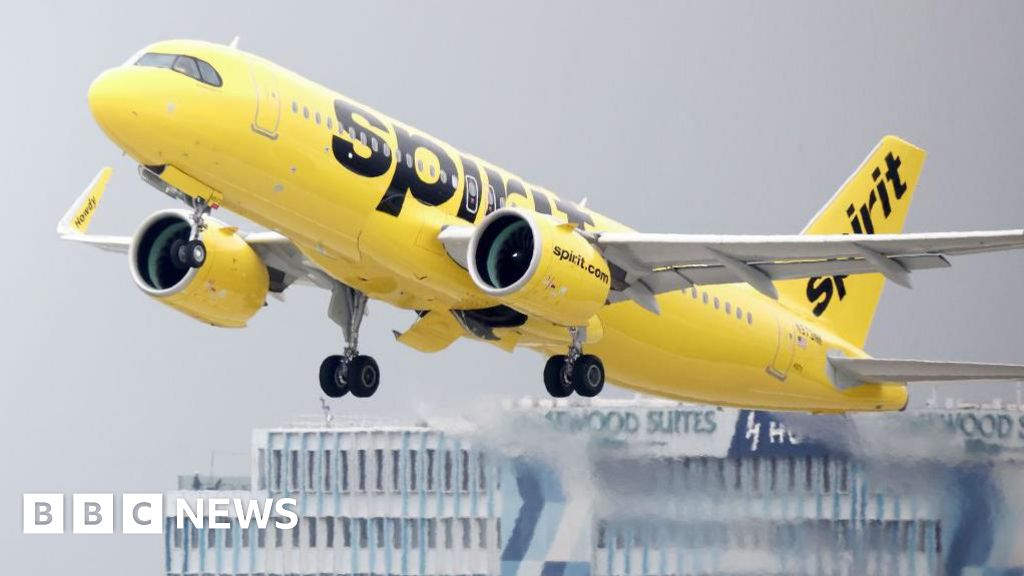
A bright yellow aeroplane with Spirit's logos on the side and tail fin takes off from an airport with a hotel in the background.
*TL;DR: Spirit Airlines ceased all flights after a $500 million bailout negotiation with the Trump administration collapsed, leaving the carrier unable to absorb soaring jet‑fuel expenses.
Context Spirit Airlines announced an immediate, orderly wind‑down of operations on its website, cancelling all upcoming flights. The low‑cost carrier had been emerging from a second bankruptcy filing when talks with the U.S. government for a rescue package broke down. The airline pledged automatic refunds to customers who paid by credit or debit card, while other refund methods will be handled through the bankruptcy court.
Key Facts - The bailout proposal would have injected $500 million, roughly £368 million, into Spirit’s balance sheet. The plan called for the U.S. government to acquire up to 90 % of the airline, a structure that faced opposition from Wall Street, Capitol Hill and even a cabinet member. - Analyst Savanthi Syth of Raymond James identified the surge in jet‑fuel costs after the Iran‑related conflict as “the final nail in the coffin.” Jet fuel can represent up to 40 % of an airline’s operating expenses and has doubled since the February U.S.–Israeli strikes. - Prior to the fuel shock, Spirit was already scaling back routes and aircraft as part of its 2024 bankruptcy restructuring. Syth noted that without the fuel spike, the airline could have survived through the summer, but its financial position remained precarious. - The International Energy Agency warned that Europe could face a jet‑fuel shortage within six weeks, underscoring the broader industry strain.
What It Means Spirit’s collapse highlights the vulnerability of low‑cost carriers to commodity price spikes and the limits of government bailouts in a politically charged environment. With jet‑fuel costs now a dominant expense, other airlines may accelerate fleet reductions or pass costs to passengers, potentially reshaping fare structures across the sector. Watch for regulatory responses to fuel shortages and any new government assistance frameworks that could emerge as the industry seeks stability.
Continue reading
More in this thread
Conversation
Reader notes
Loading comments...