Spanish Rider Wins La Vuelta Femenina Amid Outcry Over Limited TV Coverage
A Spanish cyclist's La Vuelta Femenina win sparked backlash over limited national TV coverage, highlighting a gap between women's cycling growth and broadcast.
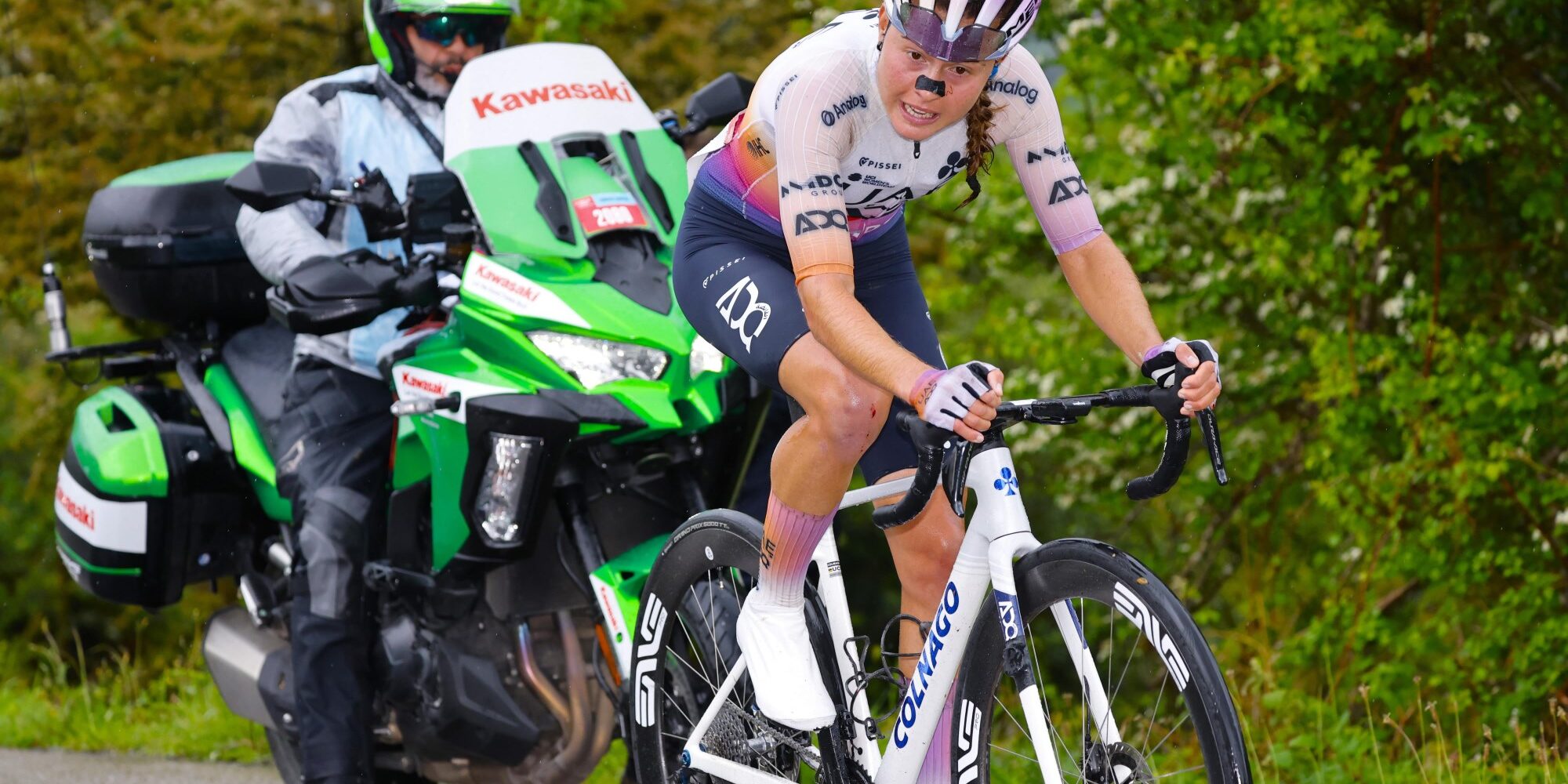
Paula Blasi wins Vuelta Feminina on brutal Angliru: "I was at my limit after five minutes"
TL;DR
A Spanish cyclist clinched the La Vuelta Femenina title, but limited broadcast on RTVE sparked a wave of criticism on social media.
Context Last weekend the women's edition of Spain’s premier road race concluded with a home‑grown champion. The win should have drawn nationwide attention, yet the event’s most decisive stages were absent from RTVE’s main channels, prompting a surge of online criticism.
Key Facts The victory triggered a sharp response from the El Sterrato Twitter account, which highlighted that the race received no proper national TV exposure despite the broadcaster holding the rights. Former professional rider Dori Ruano, now part of the La Vuelta organization, echoed the sentiment, noting that women’s cycling is advancing faster than television’s willingness to adapt. She told Teledeporte that “female cyclists are moving forward very quickly, while some still have to catch up.”
Viewers pointed out that the Les Praeres stage—a visually striking mountain finish—was not shown on La 1, Spain’s primary public channel. The omission forced fans to rely on streaming platforms or regional outlets, a situation many described as a “priority mismatch” for women’s sport.
The debate resurfaced the following night, with commentators comparing the coverage gap to other events that received full national treatment, such as the recent bullfight at the Feria de San Isidro, which aired without controversy on the same network.
What It Means The backlash underscores a growing disconnect between the rapid growth of women’s cycling and the static nature of traditional broadcast schedules. Stakeholders argue that continued under‑exposure could hinder sponsorship and audience development for the sport. As the conversation moves from social media to boardrooms, broadcasters may face pressure to allocate prime slots to women’s events, especially when a Spanish athlete secures a high‑profile win.
Looking ahead, watch for RTVE’s programming decisions ahead of next season’s races and any policy statements from Spain’s sports ministry regarding gender parity in televised sports.
Continue reading
More in this thread
Conversation
Reader notes
Loading comments...