SpaceX Targets $75 Billion IPO, Starlink Powers $11.4 B Revenue, Musk Keeps Dual‑Class Control
SpaceX files for up to $75bn IPO, with Starlink delivering $11.4bn revenue and Elon Musk retaining 42% equity, 79% voting power via dual-class shares.
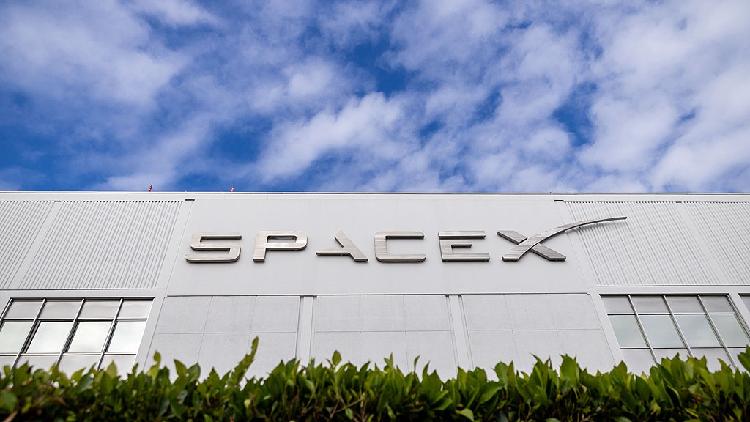
*TL;DR: SpaceX seeks to raise up to $75 bn in an IPO that could become the largest ever; Starlink contributed $11.4 bn in 2025 revenue, and Elon Musk will hold 42% of equity but 79% of voting rights through a dual‑class share structure.
Context SpaceX submitted its S‑1 prospectus to the U.S. Securities and Exchange Commission, confirming a plan to list on Nasdaq under the ticker SPCX, likely in June. The filing marks the first time the company disclosed detailed financials publicly, offering investors a view of its revenue streams, cost structure, and governance.
Key Facts - The company aims to raise up to $75 bn, a figure that would eclipse the $63 bn raised by Saudi Aramco in 2019, positioning the offering as the largest initial public offering on record. - Total revenue for 2025 reached $18.7 bn, while operating losses of $2.6 bn reflected heavy investment in next‑generation rockets and artificial‑intelligence infrastructure. - Starlink, the satellite‑internet arm, generated $11.4 bn in 2025, a 48% year‑on‑year increase, and delivered $4.4 bn of operating income, making it the primary profit centre. - The AI segment, including xAI and the X platform, posted $3.2 bn in revenue but a $6.4 bn operating loss, driven by $12.7 bn in capital spending on data‑center capacity. - Musk will retain roughly 42% of the company’s equity but 79% of voting power thanks to a dual‑class share structure that gives each class a different vote count per share. - SpaceX estimates a total addressable market of $28.5 tn across its launch, satellite, and AI businesses, excluding China and Russia.
What It Means The IPO could inject capital sufficient to fund SpaceX’s ambitious roadmap, which includes deploying AI‑compute satellites by 2028 and scaling orbital solar power to meet AI demand. Retaining a super‑majority of voting rights ensures Musk can steer strategic decisions without shareholder opposition, a feature that may attract investors seeking stable leadership but deter those demanding equal governance.
Market participants will watch the pricing of SPCX shares, the final allocation of voting versus non‑voting stock, and the reaction of institutional investors to the dual‑class model. Analysts will also compare the valuation implied by the $75 bn raise to SpaceX’s $28.5 tn market opportunity, assessing whether the price reflects realistic growth prospects.
Looking ahead, the June listing will reveal how the market prices SpaceX’s blend of high‑growth satellite internet and capital‑intensive AI ambitions, and whether investors accept Musk’s concentrated control as a trade‑off for potential upside.
Continue reading
More in this thread
Conversation
Reader notes
Loading comments...