South Korea’s Tehran Envoy Returns Empty‑Handed as 26 Vessels Remain Stuck in Hormuz
South Korea's envoy to Iran failed to free 26 Korean‑linked ships trapped in the Strait of Hormuz, as U.S. sanction fears stall movement.
TL;DR
South Korea’s special envoy to Iran returned without a deal, leaving 26 Korean‑linked vessels stranded in the Strait of Hormuz amid U.S. secondary‑sanction concerns.
Context Seoul dispatched Chung Byung‑ha, a former ambassador to Kuwait, on a two‑week mission to Tehran, marking the first high‑level Korean visit since hostilities escalated in February. The trip followed a cease‑fire announcement between the United States and Iran on April 8 and aimed to protect 40 Korean nationals and free 26 vessels caught in the Persian Gulf.
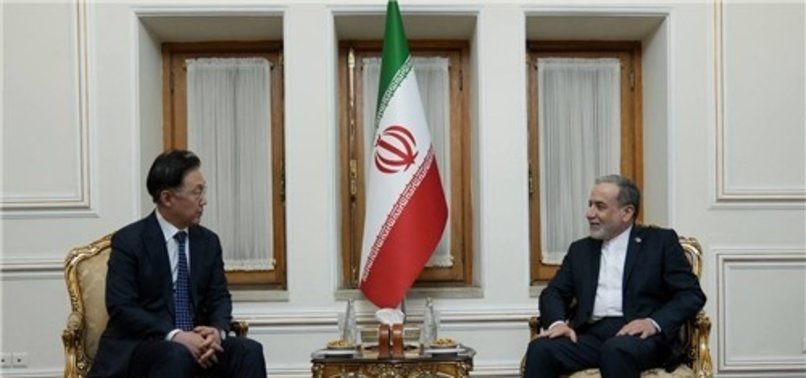
Key Facts Chung traveled overland through Turkmenistan, arriving after a 40‑hour journey. He met Iranian Foreign Minister Abbas Araghchi on April 22 and held talks with vice ministers for economic and political affairs. Iran demanded that the ships use designated transit corridors and pay associated fees, a condition Seoul rejected as it views the strait as an international waterway. The Korean government has shared vessel data with Tehran but refuses to pay fees, creating a legal and financial deadlock.
Shipowners remain reluctant to move. Their primary worry is that using Iranian‑designated routes could trigger U.S. secondary sanctions—penalties imposed on non‑U.S. entities that deal with sanctioned parties. A source close to the issue said the fear of being labeled as cooperating with sanctioned entities is keeping the vessels anchored.
The situation mirrors a recent Japanese‑flagged carrier that passed through the Larak Island corridor without paying fees, highlighting the delicate balance between compliance and sanction avoidance. While Washington has not formally asked Seoul to join a proposed maritime coalition to secure Hormuz traffic, the United States has welcomed South Korea’s diplomatic bridge role.
What It Means The impasse underscores Seoul’s tightrope walk between maintaining neutral navigation rights and avoiding U.S. punitive measures. Without a resolution, the stranded vessels could face prolonged delays, impacting South Korean shipping revenues and supply chains that rely on Gulf oil routes. The diplomatic channel opened by Chung may still prove useful for future negotiations, but immediate progress appears stalled.
Looking Ahead Watch for any shift in U.S. policy on secondary sanctions and potential multilateral efforts to secure Hormuz passage, which could create a pathway for the trapped vessels to move.
Continue reading
More in this thread
Conversation
Reader notes
Loading comments...