Somalia’s Hunger Crisis Grows as Drought and Conflict Persist
6.5 million Somalis face hunger after failed rains; 1.8 million children under five risk acute malnutrition. See what to watch next.
TL;DR
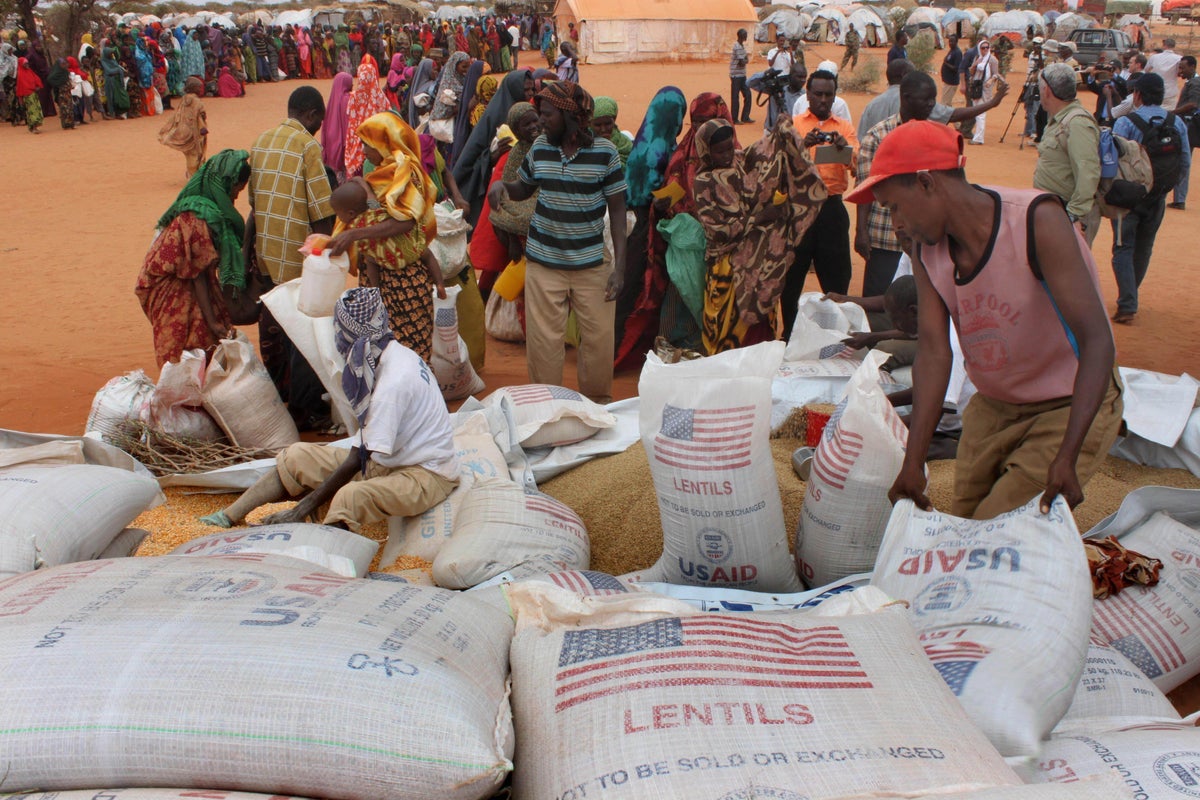
6.5 million Somalis are hungry after three failed rainy seasons and ongoing conflict, with 1.8 million children under five at risk of acute malnutrition.
Context
Somalia’s southern pastoral zones have seen rivers dry and pasture vanish after consecutive failed rains. Conflict limits aid delivery and pushes families to sell livestock at distressed prices, worsening food insecurity. Over 3.8 million people are now displaced, many moving multiple times as resources shrink.
Key Facts
- 6.5 million Somalis are experiencing hunger due to drought, failed rains, and conflict (statistic). - 1.8 million Somali children under five are at risk of acute malnutrition (statistic). - Francesca Sangiorgi of Save the Children said, “We’re seeing multiple rainy seasons that have failed across the country” (quote). - A 2023 cohort study of 10,200 households in southern Somalia found each additional failed rainy season correlated with a 27% increase in odds of severe livestock loss (correlation, not proven causation). - A 2022 meta‑analysis of 18 nutrition surveys covering 210,000 Horn of Africa children estimated drought exposure raises the risk of acute malnutrition by 1.4 times (correlation).
What It Means
The data show that lost livestock directly cuts milk and meat supplies, forcing families to buy costly market food while incomes fall. Children’s weakened immunity raises susceptibility to diarrhoea and measles, increasing pressure on already strained health clinics. Practical takeaways: support programs that provide cash‑based assistance and livestock restocking can blunt immediate hunger; investing in early‑warning rain forecasts helps herders move animals before losses occur.
Watch for the next rainy season forecast and whether humanitarian corridors stay open to deliver nutrition supplements and vaccines.
Continue reading
More in this thread
Somalia's Hunger Crisis Leaves 6.5 Million in Need as UN Aid Funding Falls to 20%
Dr. Priya Sharma
Coroner rules NHS trust failed mother over unsafe home birth that caused infant’s death
Dr. Priya Sharma
Cross River Health Commissioner Confirms Single COVID-19 Case, Dismisses Reports of Ten Symptomatic Cases
Dr. Priya Sharma
Conversation
Reader notes
Loading comments...