Solar and Hydro Gains Push US Coal Use Below 10% YoY in Q1 2026
Solar output rose 24% and hydro surged, cutting US coal consumption by more than 10% as electricity demand grew only 1.5% in the first quarter of 2026.
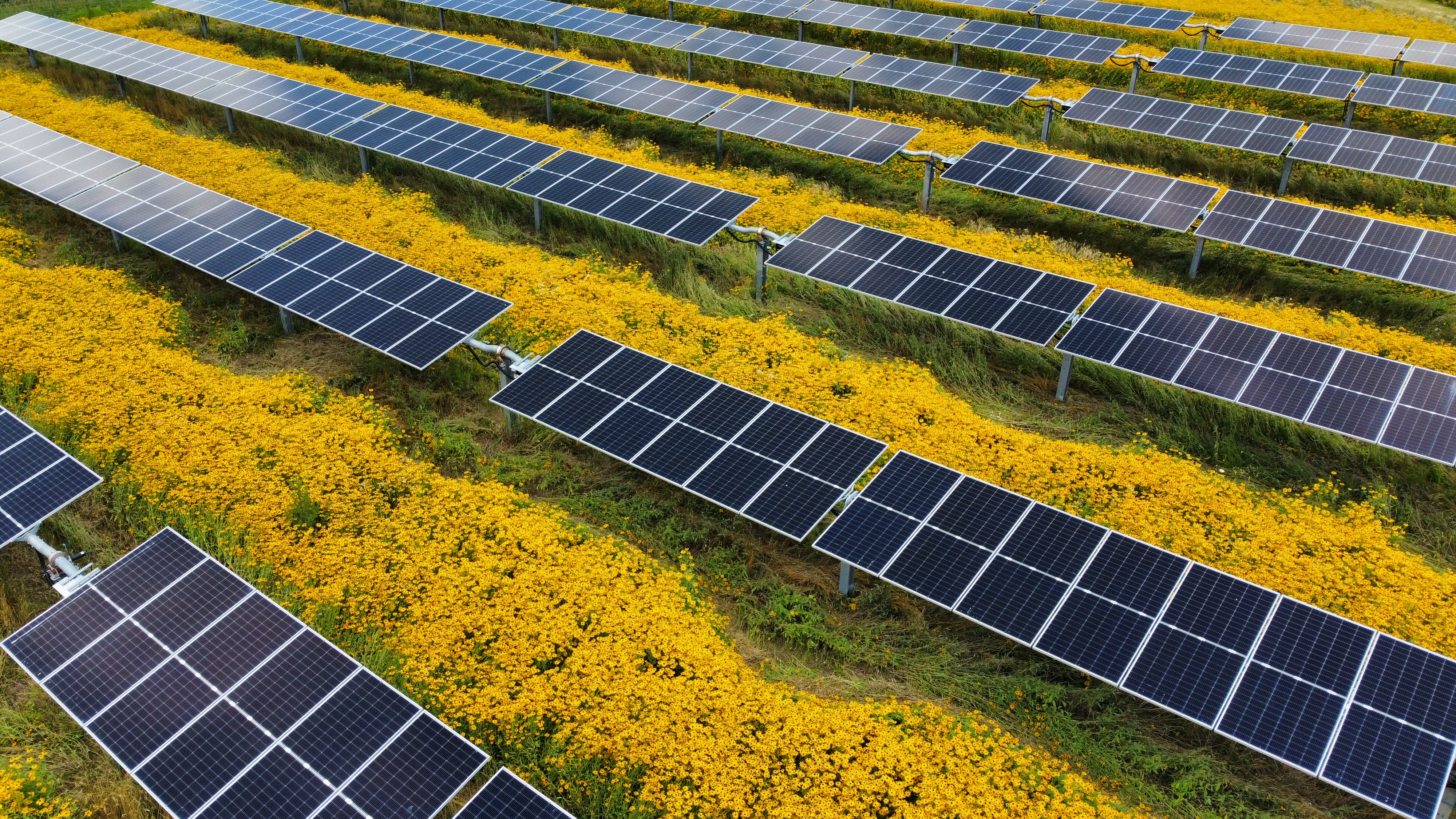
Aerial photo of solar panels with native flowers planted around them.
TL;DR
Solar generation rose 24% and hydro output spiked, sending coal use down over 10% while overall electricity demand grew just 1.5% in the first quarter of 2026.
Context The U.S. power grid entered 2026 with a mixed weather picture: an unseasonably warm West and a deep freeze in the East. Those conditions produced a modest 1.5% year‑over‑year increase in electricity demand for the quarter, far below the 3% surge seen a year earlier when data‑center load threatened to reverse the long‑term decline in coal use.
Key Facts - Solar power output climbed 24% compared with Q1 2025, the strongest quarterly gain among all renewables. - Hydroelectric generation surged without new capacity, driven by early snowmelt in the western river basins. - Combined output from wind, solar and hydro grew 11%, outpacing demand growth by a factor of 1.8. - Natural‑gas consumption edged higher, leaving coal as the only fossil fuel with a double‑digit decline; coal use fell by more than 10% year over year.
What It Means Renewable growth now exceeds the pace of demand, leaving little room for fossil fuels on the dispatch stack. The 24% solar increase alone offset roughly 80% of the quarter’s demand rise, forcing coal generators offline. Hydro’s unexpected boost further squeezes coal, though the surge may be temporary as early snowmelt could reduce water availability later in the year.
Natural‑gas usage held steady, suggesting that any future rebound in coal will likely depend on gas price movements rather than demand spikes. Ongoing geopolitical tension in the Persian Gulf could lift global gas prices, potentially reshaping the fuel mix in the second half of 2026.
Looking Ahead Watch the summer hydro balance as snowpack depletion progresses and monitor gas price trends for signs of a coal resurgence.
Continue reading
More in this thread
Conversation
Reader notes
Loading comments...