Solar Growth Outpaces US Electricity Demand, Accelerating Coal Decline in Q1 2026
Solar generation rose 24% in Q1 2026 as US demand grew 1.5%, pushing renewables ahead and cutting coal use.
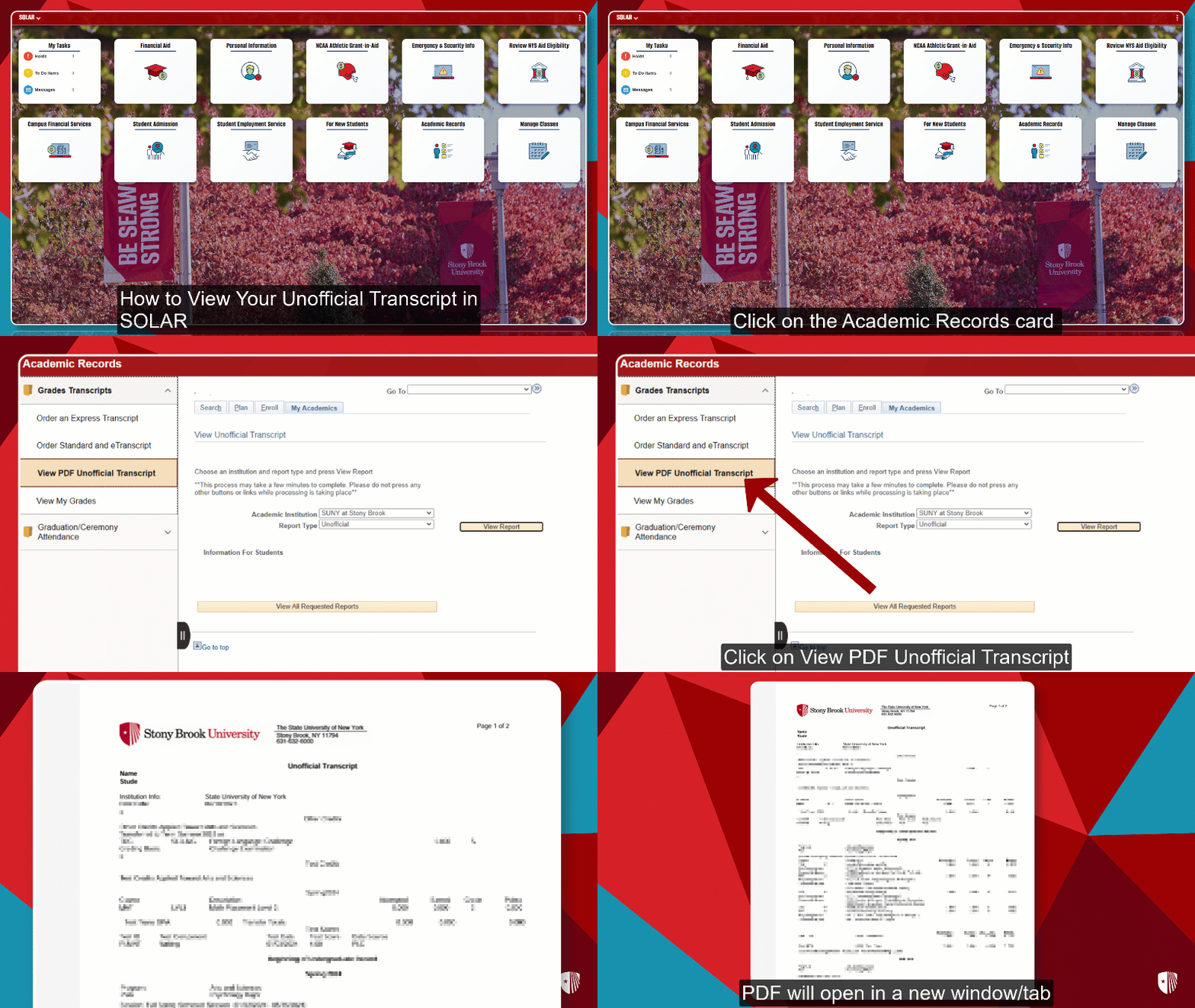
How to view unofficial transcript
**US electricity demand grew just 1.5% in Q1 2026 while solar generation jumped 24%, pushing renewables ahead of demand and cutting coal use.
Context
Last winter’s early data hinted at a data‑center‑driven demand spike that briefly revived coal. A full year of observations shows the surge faded, returning the grid to its usual slow‑growth pattern.
Unusual weather—warm West, cold East—kept the Q1 demand increase modest. Analysts had warned that expanding server farms could add several gigawatts of load, but the latest figures show that effect remains negligible so far.
Key Facts
According to the U.S. Energy Information Administration’s Electric Power Monthly dataset, total electricity demand rose 1.5% year‑over‑year in the first quarter of 2026. Solar generation climbed 24% over the same period, while the combined output of wind, solar, and hydro increased 11%, about 1.8 times the demand growth. The EIA compiles hourly reports from more than 8,000 plants, aggregates them quarterly, and adjusts for temperature‑related load shifts to isolate underlying trends.
This methodology removes short‑term weather noise, revealing the true pace of renewable expansion. Solar added roughly 12 terawatt‑hours of generation, enough to power about one million homes for a year.
What It Means
Because renewable expansion outpaced demand, fossil‑fuel generation had to decline. Overall fossil fuel use fell roughly 3%, with natural gas edging up slightly and coal dropping over 10%. The early‑year hydro boost came from early snow‑melt in the West, a weather‑driven quirk that may reverse later in 2026.
Coal’s sharper drop reflects the fact that gas, while rising modestly, could not fully fill the gap left by shrinking coal output. Coal’s share of net generation fell to under 15%, its lowest level since the early 1990s.
What to watch next
Monitor whether rising natural‑gas prices from global tensions push utilities back toward coal, and how hydro output normalizes as snowpack levels stabilize through the remainder of 2026. Analysts will also watch weekly natural‑gas storage reports for signs of tighter supplies that could affect pricing.
Continue reading
More in this thread
Massive Lao Stone Jar Held 37 Bodies for Centuries, Revealing Ancient Trade Links
Dr. Leo Tanaka
US Cotton Study Shows Net Negative Carbon Footprint, Flags Fertilizer as Key Emissions Source
Dr. Leo Tanaka
U.S. Cotton Shows Net Negative Carbon Footprint in New Lifecycle Assessment
Dr. Leo Tanaka
Conversation
Reader notes
Loading comments...