SoftBank, U.S. Government Target 9.2‑GW Power Plant and AI Data Center in Ohio
SoftBank and the U.S. government target a $33 billion, 9.2‑GW plant in Ohio to power a 10‑GW AI data center, backed by a $550 billion Japan‑U.S. trade deal.
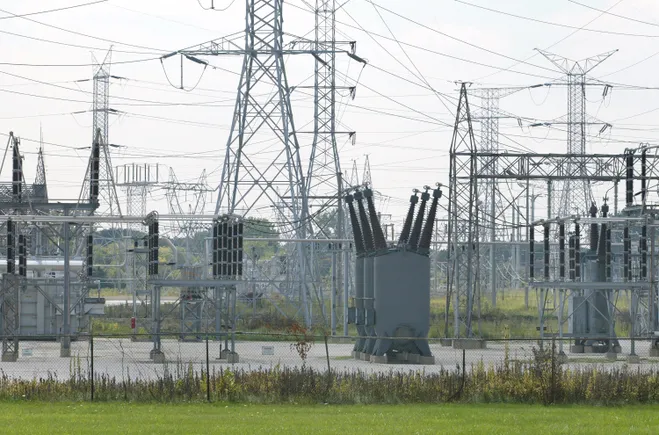
*TL;DR: SoftBank and the U.S. government will build a $33 billion, 9.2‑GW power plant in Piketon, Ohio, to feed a 10‑GW AI data center, with $550 billion from a new U.S.–Japan trade deal supporting the effort.
Context Piketon, Ohio—once home to a uranium enrichment plant—now hosts a proposal to host the nation’s largest power plant and AI data center. The site, managed by the Department of Energy for hazardous‑waste cleanup, sits on a 3,700‑acre industrial campus. Local officials see the project as a potential economic lifeline for a community that has struggled since the diffusion plant closed in 2001.
Key Facts - SoftBank’s SB Energy subsidiary will lead construction of a 9.2‑gigawatt (GW) power plant at an estimated cost of $33 billion. The plant will use gas turbines sourced from multiple manufacturers, including GE Vernova. - The plant is designed to supply electricity to a 10‑GW AI data center, also planned on the Piketon campus. The data center’s first 800‑megawatt (MW) phase is slated to begin operations by 2028. - Under a newly signed U.S.–Japan trade agreement, Japan will allocate $550 billion for U.S. projects selected by the Trump administration. The Piketon development is one of the first beneficiaries. - U.S. Energy Secretary Chris Wright said the project will create “thousands and soon tens of thousands of jobs” in southern Ohio. - American Electric Power has filed a pre‑application for a 50‑mile transmission line to move power from the plant across southeastern Ohio. - Critics note the plant’s projected cost of $3,586 per kilowatt—two to three times the price of a typical combined‑cycle gas plant built two years ago—raising questions about economic viability. - Public comments have raised concerns about farmland disruption and impacts on an Amish community near the proposed transmission line.
What It Means If realized, the PORTS Technology Campus could transform Piketon from a post‑industrial backwater into a high‑tech hub, delivering a significant boost to local employment and tax revenue. The scale of the investment also signals a deepening of U.S.–Japan strategic ties, with the $550 billion fund earmarked for projects that align with U.S. policy priorities. However, the project faces a gauntlet of regulatory approvals, supply‑chain constraints for gas turbines, and environmental opposition. Delays in permitting or cost overruns could shrink the scope or stall the effort entirely, especially if political support wanes after the current administration.
Looking Ahead Watch for the Ohio Power Siting Board’s decision on the transmission line, the filing of permits for the plant and gas infrastructure, and any revisions to the project’s financing as the $550 billion trade fund is allocated.
Continue reading
More in this thread
Conversation
Reader notes
Loading comments...