Sobriety and Community Outperform Tech Wellness Trends for Depression Relief
Explores why traditional and experimental treatments failed for one tech worker, highlighting sobriety and community as more reliable paths to mental‑health recovery.
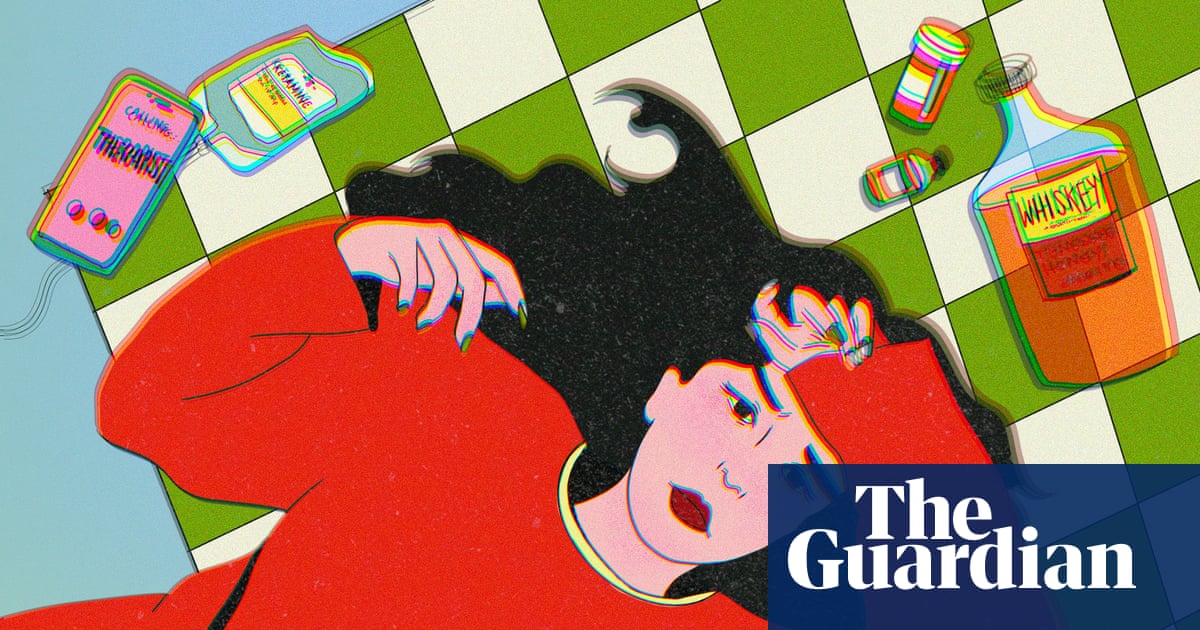
TL;DR: Despite trying high‑tech treatments like IV ketamine and transcranial magnetic stimulation, the author found lasting improvement through sobriety and peer support rather than wellness trends.
Context: In San Francisco’s mid‑2010s wellness boom, tech workers flooded the market with experimental mental‑health options. Over half of surveyed tech workers reported anxiety or depression, and roughly three in ten with major depressive disorder faced treatment‑resistant forms. Seeking relief, the author tried multiple antidepressant regimens, outpatient programs, IV ketamine infusions and daily transcranial magnetic stimulation sessions.
Key Facts: A study of patients receiving intravenous ketamine reported that 52% achieved full remission of depressive symptoms. The study did not disclose its design or sample size in the source material.
What It Means: Despite the promising remission rate in the ketamine study, the author’s personal experience showed little mood improvement after repeated infusions and TMS courses. Instead, sustained sobriety and regular participation in a peer‑support group provided stable mood regulation and reduced cravings for self‑medication. Practical takeaways include prioritising evidence‑based psychotherapy, limiting alcohol use, and engaging with community‑based recovery networks when standard treatments fall short. Researchers are now examining how structured peer‑support programs compare with pharmacological innovations for long‑term remission.
Continue reading
More in this thread
High Costs, Long Waits and Stigma Keep Dehradun Residents From Mental Health Care
Dr. Priya Sharma
Medicaid Expansion Tied to 1.8‑Point Drop in One‑Year Death Rate for Young Kidney Failure Patients
Dr. Priya Sharma
Weekly Arts Engagement Linked to 4% Slower Biological Aging
Dr. Priya Sharma
Conversation
Reader notes
Loading comments...