SNP Wins Fifth Term but Falls Short of Majority as Labour and Reform Tie for Second
The SNP secured 58 seats, falling short of a majority, while Labour and Reform UK each won 17 seats in Scotland's Holyrood election.
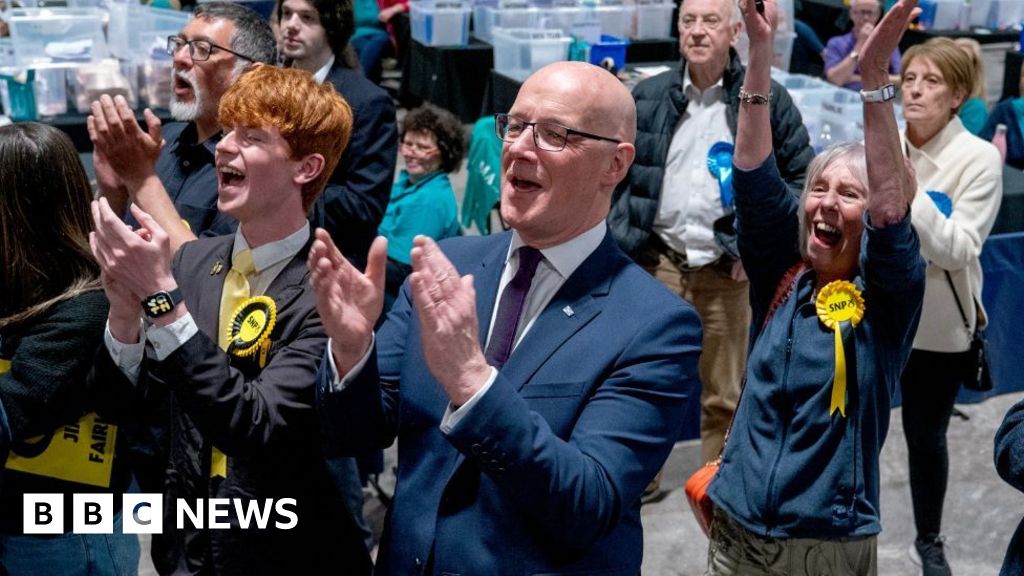
John Swinney, who is bald with glasses, claps with celebrating SNP supporters at an election count
TL;DR
The SNP clinched a fifth consecutive term with 58 seats but missed the 65‑seat majority threshold; Labour and Reform UK each captured 17 seats, sharing second place.
The Scottish Parliament election delivered a mixed verdict for the incumbent Scottish National Party (SNP). While the party retained power for a fifth straight term, it fell short of the outright majority it had targeted. The result reshapes the balance of power, giving smaller parties greater influence over legislation.
Key facts - The SNP won 58 of the 129 seats, 7 seats fewer than needed for a majority. - Labour and Reform UK each secured 17 seats, tying for the second‑largest bloc. - The SNP leader declared the victory “hands down” and said the public will expect him to return as first minister. - The Greens added a record 15 seats, and the Conservatives dropped to 12, their worst showing ever. - The Liberal Democrats returned 10 members, while Reform UK entered Holyrood with a foothold after never having an elected MSP before.
What it means Without a majority, the SNP must negotiate with other parties to pass bills. The combined 73 seats held by pro‑independence parties (SNP plus Greens) still outnumber the unionist bloc, but the presence of Reform UK and a revitalised Labour force introduces new scrutiny. Reform’s entry, driven by its regional‑list success, split the unionist vote and helped the SNP retain many constituency seats despite a lower share of the popular vote.
Labour’s modest haul of 17 seats marks a distant second after years of aiming to unseat the SNP, while Reform UK’s breakthrough signals a potential realignment among right‑leaning voters. The Conservatives, now fifth in seat count, face a strategic crossroads as they seek to rebuild after their worst result.
The SNP is expected to form a minority government, likely seeking informal support from the Greens on independence‑related legislation while negotiating with other parties on day‑to‑day issues. The next weeks will reveal the coalition dynamics and whether Reform UK will act as a “challenger and scrutineer” as its leader promised.
What to watch next Watch for the SNP’s coalition negotiations, the Greens’ leverage on independence votes, and Reform UK’s positioning on fiscal and immigration policies as Holyrood convenes its first session.
Continue reading
More in this thread
Michigan Moms Push for Childcare Credit, Energy Relief and Maternal Health Bills
Nadia Okafor
Reform Party Tops Vote Share as Labour Halves Defended Seats and Turnout Rises to 42%
Nadia Okafor
Labour Falls Over 350 Seats in London as Minor Parties Reach Record Share
Nadia Okafor
Conversation
Reader notes
Loading comments...