SNP Wins Fifth Holyrood Election but Falls Short of Majority
SNP claims a fifth straight Holyrood victory but falls short of a majority, holding 58 seats against the 65 needed for control.
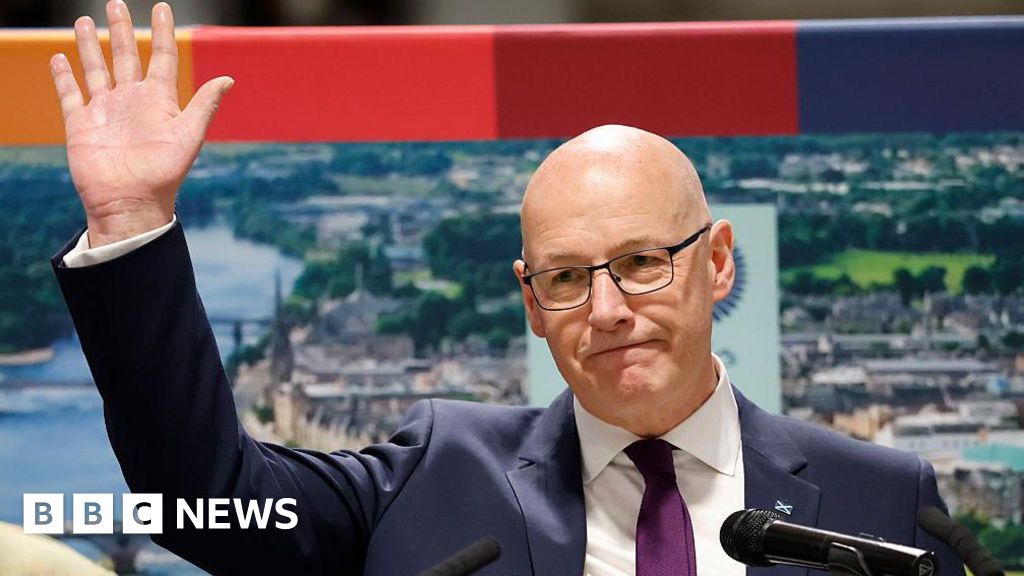
John Swinney, in blue suit, white shirt and purple tie, smiles and waves as he stands on a podium with a photo of Perth behind him.
TL;DR: The SNP secured a fifth consecutive Holyrood victory but lost six seats, ending with 58 of 129 seats—seven below the majority threshold.
Context The 2026 Scottish parliamentary election marks the seventh contest since devolution began in 1999. The Scottish National Party (SNP) has dominated the era, winning five elections in a row. As counting wrapped up, party leader John Swinney declared the result a "hands‑down" win and urged a return as first minister.
Key Facts - The SNP’s seat count fell from 64 to 58, missing the 65 seats needed for an outright majority in the 129‑member parliament. - A pro‑independence bloc now totals 73 members: 58 SNP MSPs plus 15 Scottish Green MSPs, outnumbering the combined Labour and Reform UK groups, each with 17 seats. - The Greens captured two high‑profile seats, unseating former SNP cabinet minister Angus Robertson in Edinburgh Central and taking Glasgow Southside, previously held by former SNP leader Nicola Sturgeon. - Swinney emphasized a need to find common ground with all parties except Reform UK, which he said holds "completely different values." - He pledged to focus on cost‑of‑living relief and NHS improvements, positioning these as foundations for any future independence push.
What It Means Without a majority, the SNP must negotiate support on a case‑by‑case basis, likely leaning on the Greens for confidence‑and‑supply arrangements. The pro‑independence majority suggests legislative momentum for a second independence referendum, but the SNP’s reduced mandate may temper ambitions. Watch how Swinney balances minority governance with the push for a referendum, and whether Reform UK’s rise forces new coalition dynamics before the next general election, due by August 2029.
Continue reading
More in this thread
Brazilian Judge Suspends Law That Could Slash Bolsonaro's 27‑Year Sentence
Nadia Okafor
Fact‑check: Lambeth Council election seat and turnout claims are inaccurate
Nadia Okafor
Paraguay Reaffirms Taiwan Ties Amid Chinese Pressure, Announces Poultry Market Access
Nadia Okafor
Conversation
Reader notes
Loading comments...