SNP Secures Fifth Term but Falls Short of Majority as Labour and Reform UK Tie
The SNP secured 58 seats in Holyrood, falling short of a majority, while Labour and Reform UK each won 17 seats, reshaping Scotland's political landscape.
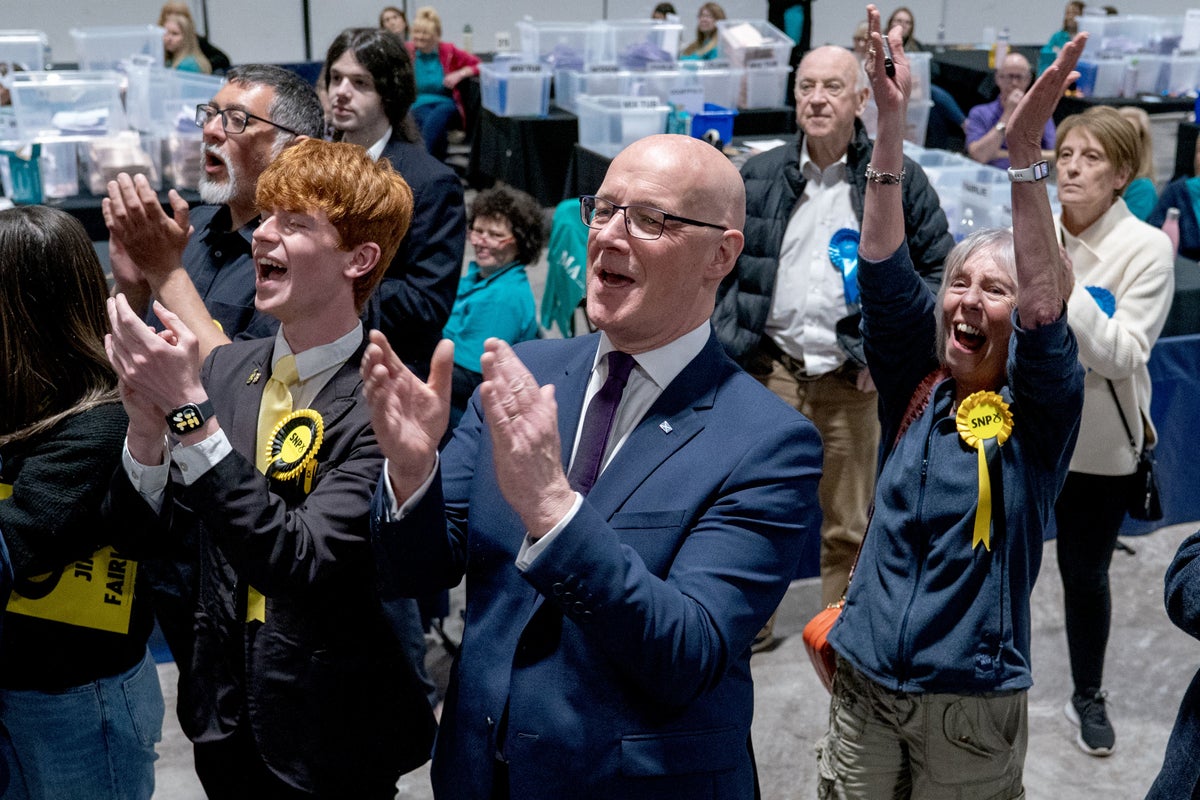
TL;DR: The Scottish National Party (SNP) won 58 seats in the 2026 Holyrood election, falling short of the 65 needed for a majority; Labour and Reform UK both secured 17 seats.
The 2026 Scottish parliamentary election delivered a clear but nuanced verdict. Voters returned the SNP for a fifth consecutive term, yet the party did not achieve the outright control it has held since 2007. The result reshapes the balance of power in Edinburgh and sets the stage for a more negotiated legislative agenda.
Key facts - The SNP captured 58 of the 129 seats in the Scottish Parliament, eight seats shy of an overall majority. - Labour and Reform UK each won 17 seats, tying for the second‑largest bloc. - The Scottish Greens increased to 15 seats, while the Conservatives fell to a historic low of 12 seats. The Liberal Democrats hold ten seats. - SNP leader John Swinney declared an “emphatic” victory and warned the UK government to listen to Scotland after Labour’s defeat and the SNP’s 19‑year tenure.
What it means Without a majority, the SNP will need support from smaller parties to pass legislation, likely deepening cooperation with the Greens, whose 15 seats could prove decisive. The tie between Labour and Reform UK gives the latter, a party previously marginal in Scotland, a foothold to influence policy and challenge the traditional two‑party dynamic.
Labour’s leader, Anas Sarwar, described the outcome as “disappointing and difficult,” but pledged to keep the party united. Reform UK celebrated the result as a historic breakthrough, signalling a shift away from the long‑standing Labour‑Conservative dominance in British politics.
The SNP’s loss of high‑profile seats, including Angus Robertson’s defeat in Edinburgh Central to the Greens, underscores growing voter volatility. The Conservatives, now the smallest opposition group, face an uncertain future in Scottish politics.
Looking ahead, the SNP’s ability to forge stable alliances will determine the pace of its policy agenda, especially on independence and social spending. Watch for coalition talks in the coming weeks and any policy concessions that may emerge from a more fragmented Holyrood.
Continue reading
More in this thread
Conversation
Reader notes
Loading comments...