SNP’s Katie Hagmann Secures Carrick, Cumnock and Doon Valley Seat as Turnout Drops Below 49%
Katie Hagmann secures the Carrick, Cumnock and Doon Valley seat with 9,610 votes as voter turnout drops to 48.85%, the lowest in recent elections.
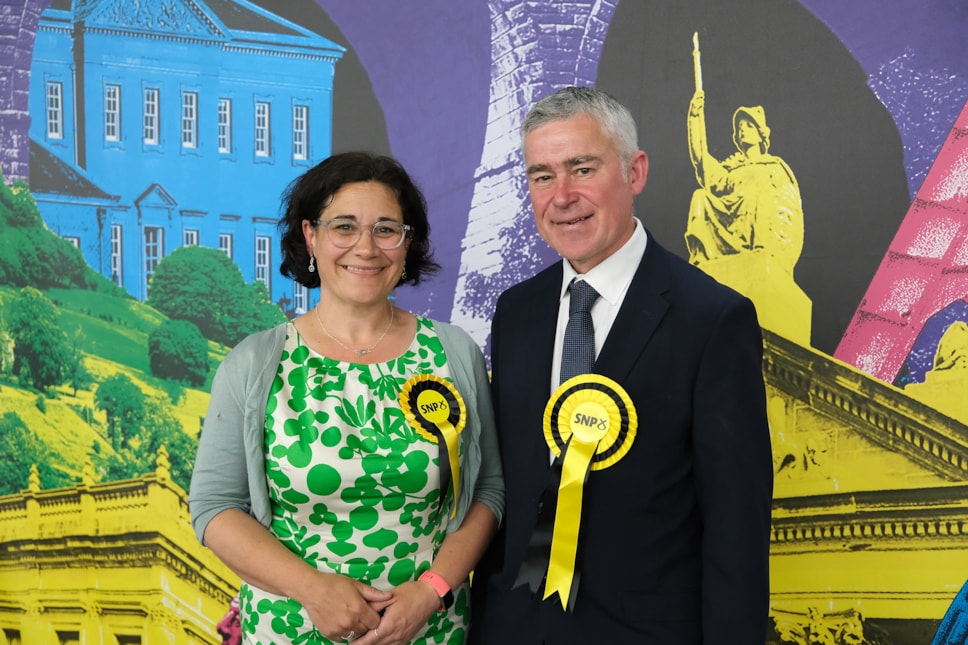
*TL;DR: Katie Hagmann (SNP) wins Carrick, Cumnock and Doon Valley with 9,610 votes; turnout slips to 48.85%, down from 59.6% in 2021.
Context The Scottish Parliament election on 8 May 2026 saw the Carrick, Cumnock and Doon Valley constituency record a turnout of 48.85%, the lowest since at least 2016. The electorate numbered 59,417, but only 29,024 ballots were cast, including 63 spoilt papers. Historically, the constituency has seen higher engagement: 59.6% in 2021 and 54.3% in 2016.
Key Facts - Katie Hagmann of the Scottish National Party (SNP) secured the seat with 9,610 votes, a clear lead over all challengers. - Andrew Scott of Reform UK finished second, receiving 6,988 votes. - The Scottish Labour Party candidate, Carol Ann Mochan, garnered 6,671 votes, placing third. - The Scottish Conservative and Unionist Party candidate, Tracey Clark, earned 3,680 votes, while the Liberal Democrat candidate, Jack Clark, received 1,187 votes. - Independent candidates Sean Davis and Alison Hewett collected 412 and 413 votes respectively. - Total valid votes amounted to 29,024, with 63 ballots rejected as spoilt.
What It Means Hagmann’s victory reinforces the SNP’s dominance in the region, extending its representation in the Scottish Parliament. The gap of over 2,600 votes between Hagmann and the Reform UK runner‑up indicates a fragmented opposition, with Labour and the Conservatives trailing further behind. The sharp decline in turnout—down more than 10 percentage points from the previous election—suggests growing voter disengagement or satisfaction with the status quo, a trend that could affect future campaign strategies.
The low participation rate may prompt parties to reassess outreach efforts, particularly in rural constituencies where logistical barriers can suppress voting. Analysts will watch whether the SNP can translate this win into sustained policy influence or if the reduced electorate will embolden challengers in the next election cycle.
Looking ahead, the next Scottish Parliament election will test whether the SNP can maintain its hold amid declining voter engagement and a diversifying opposition field.
Continue reading
More in this thread
Conversation
Reader notes
Loading comments...