Silicon Valley Funds $140 Million Pilot for Wave‑Powered AI Nodes off Oregon Coast
Panthalassa receives $140 M to build a wave‑energy factory near Portland, aiming to power offshore AI chips and transmit data via satellite.
Silicon Valley Funds $140 Million Pilot for Wave‑Powered AI Nodes off Oregon Coast
TL;DR
Silicon Valley investors have committed $140 million to Panthalassa for a pilot wave‑energy node factory near Portland, Oregon, targeting offshore AI computation and data transmission.
Context Land‑based AI data centers face rising costs for power and cooling. Venture capitalists, including Palantir co‑founder Peter Thiel, are exploring alternatives that move both energy generation and compute to the ocean. A May 4 press release announced the latest funding round to accelerate Panthalassa’s prototype deployment.
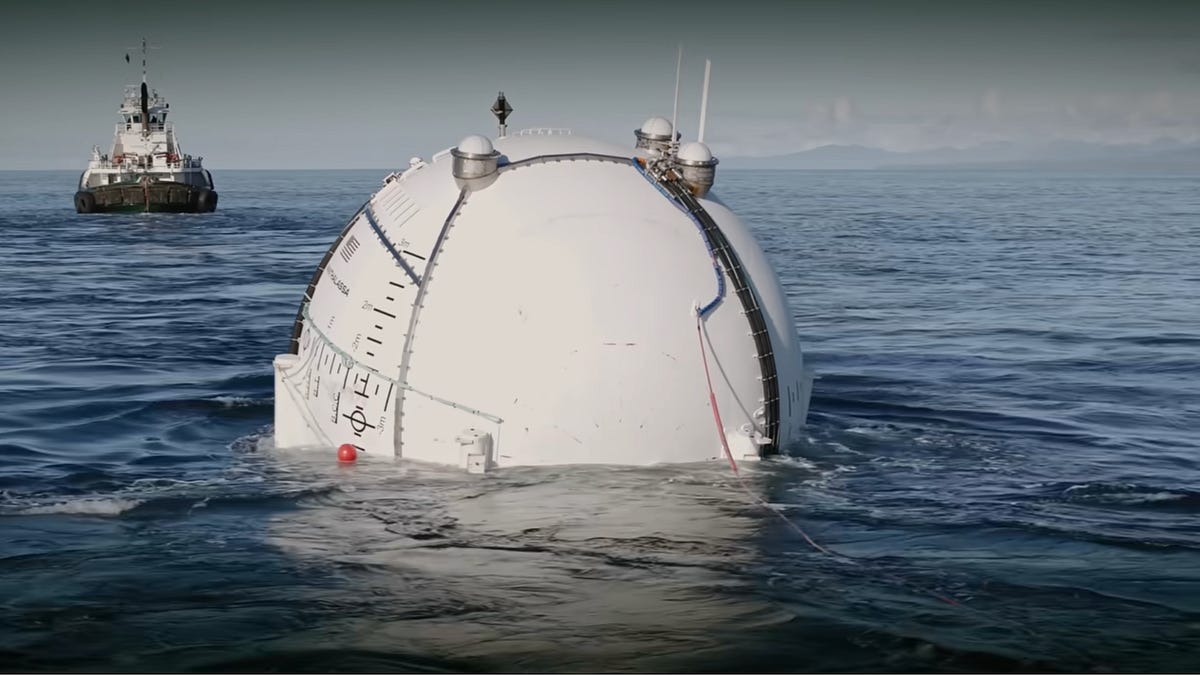
Key Facts Panthalassa will construct a manufacturing facility near Portland to produce floating steel spheres that act as wave‑driven generators. Wave motion forces water up a vertical tube into a pressurized reservoir; the released water spins a turbine that powers AI chips mounted on the sphere. The design eliminates the need to transmit electricity to shore. Instead, the nodes send inference tokens—compact representations of AI model outputs—through satellite links to customers worldwide. Benjamin Lee, a computer architect at the University of Pennsylvania, explains that the approach “transforms an energy transmission problem into a data transmission problem.”
The ocean environment also provides natural cooling. Seawater at a few degrees Celsius can absorb heat from the chips, reducing reliance on electricity‑intensive chillers and fresh‑water cooling systems typical of terrestrial data centers. Lee notes that “ocean‑based compute might offer a massive cooling advantage because the ambient temperature is so low.”
What It Means If successful, wave‑powered AI nodes could decouple high‑performance computing from land‑based infrastructure constraints. The model promises lower operational costs, reduced water usage, and a new revenue stream for coastal regions. Scaling the technology will depend on reliable wave energy conversion, durable marine hardware, and satellite bandwidth for data delivery. Watch for the first commercial node deployment and any regulatory hurdles concerning offshore installations.
Looking ahead, monitor the pilot’s performance metrics and subsequent funding rounds, which will indicate whether wave‑driven AI compute can move from niche experiment to mainstream solution.
Continue reading
More in this thread
Conversation
Reader notes
Loading comments...