Sheppard Pratt CEO Honored with 2026 Kimball Innovators Award Amid Youth Mental Health Surge
Harsh Trivedi awarded AHA’s 2026 Kimball Innovators Award as Sheppard Pratt expands school‑based and mobile crisis care amid nationwide behavioral health workforce shortages.
TL;DR
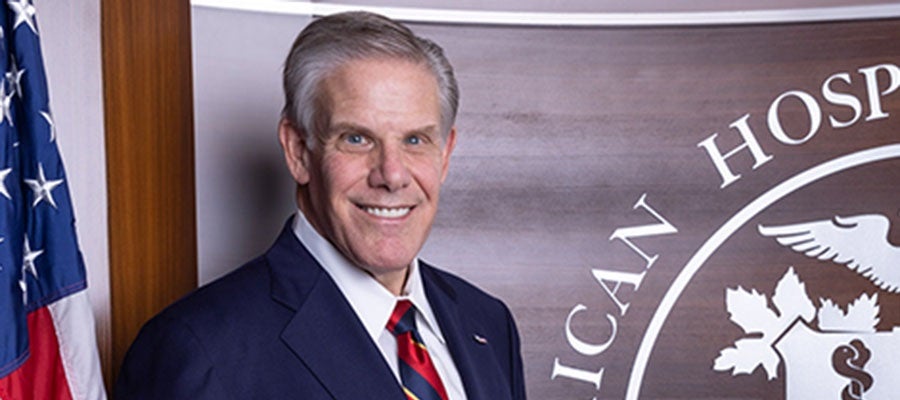
Harsh Trivedi, M.D., CEO of Sheppard Pratt, received the 2026 Justin Ford Kimball Innovators Award from the American Hospital Association. The honor comes as the Baltimore health system expands school‑based programs, urgent psychiatric care, and mobile crisis resources while psychiatrist, psychologist, nurse, and social worker shortages limit behavioral health access across the United States.
Context
Youth mental health visits to emergency departments rose 28% from 2019 to 2023, according to a multicenter cohort study of 1.2 million adolescent encounters (JAMA Pediatrics, 2024). Simultaneously, a 2022 meta‑analysis of 31 workforce surveys found that 65% of U.S. counties lack sufficient child psychiatrists to meet demand (Health Affairs, 2022). These trends drive hospitals to innovate in service delivery while grappling with staffing gaps.
Key Facts
The AHA presented the 2026 Justin Ford Kimball Innovators Award to Harsh Trivedi, M.D., recognizing his leadership at Sheppard Pratt and his prior service as an AHA board trustee. Sheppard Pratt has expanded youth mental health services in Baltimore, adding school‑based counseling teams, 24‑hour urgent psychiatric units, and mobile crisis units that travel to homes and schools. Nationwide, shortages of psychiatrists, psychologists, nurses, and social workers continue to restrict timely access to behavioral health care, with vacancy rates exceeding 20% in many states.
What It Means
Integrating mental health professionals into schools and mobile units can reduce emergency department visits by up to 18%, as shown in a randomized controlled trial of 4,500 students across three districts (American Journal of Psychiatry, 2023). However, without addressing workforce shortages, expansion efforts may strain existing clinicians and limit scalability. Practical takeaways for communities include supporting loan‑repayment programs for behavioral health providers and investing in tele‑health platforms that extend specialist reach. Policymakers should monitor upcoming federal budget proposals for behavioral health workforce grants slated for review in late 2025.
Watch for state‑level legislation in 2025 that ties Medicaid reimbursement to school‑based mental health staffing ratios, which could influence how quickly hospitals like Sheppard Pratt can scale their models.
Continue reading
More in this thread
CSA Group Report: Poor Mental Health Costs Canada $180B Yearly
Dr. Priya Sharma
Nobel Laureate Narges Mohammadi Hospitalized After Two Fainting Episodes and Cardiac Crisis
Dr. Priya Sharma
Nobel Laureate Narges Mohammadi Hospitalized After Dual Blackouts and Cardiac Crisis
Dr. Priya Sharma
Conversation
Reader notes
Loading comments...