Shehbaz Sharif’s China Trip Signals CPEC 2.0 Shift to Industry and Innovation
Pakistan's prime minister visits Hangzhou to push CPEC into a new phase focused on manufacturing, tech and inclusive growth.
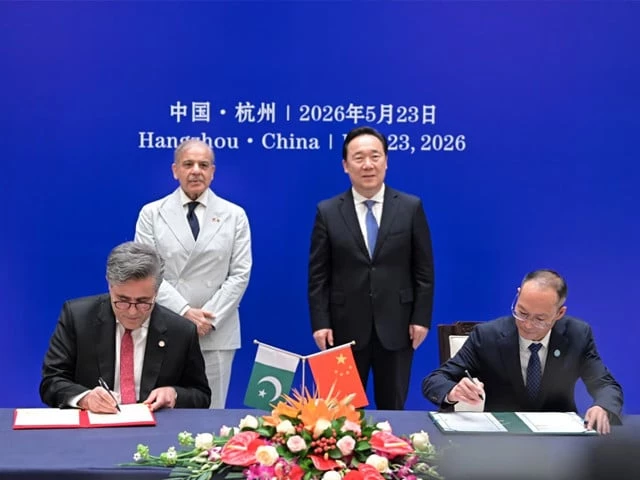
TL;DR: Pakistan’s prime minister arrived in Hangzhou to accelerate the second phase of the China‑Pakistan Economic Corridor, moving from roads and power plants to factories, digital hubs and innovation.
Context Prime Minister Shehbaz Sharif landed in Zhejiang Province on May 23 for a three‑day high‑level exchange marking 75 years of diplomatic ties. The Chinese foreign ministry framed the visit as an opportunity to deepen cooperation and write a new chapter in a “China‑Pakistan community with a shared future.”
Key Facts - Since its launch in 2013, CPEC has drawn more than $25.9 billion in direct Chinese investment and created over 260,000 Pakistani jobs. Projects have added 8,000 MW of power, built 510 km of roads and expanded Gwadar Port into a regional hub. - Planning Minister Ahsan Iqbal announced that CPEC is entering its second phase, shifting focus from infrastructure to industrialisation, innovation and inclusive growth. He described the corridor as a future “hope, innovation, opportunity and prosperity” engine. - The Hangzhou stop targets the city’s strengths in e‑commerce, artificial intelligence and digital economies. A planned visit to Alibaba’s headquarters underscores Pakistan’s push to boost digitalisation, IT exports and youth employment. - Chinese officials highlighted the corridor’s role in the Belt and Road Initiative, noting its impact on energy security and regional connectivity.
What It Means The pivot to CPEC 2.0 signals a strategic recalibration: Chinese private firms are expected to set up manufacturing zones, while Pakistani policymakers aim to attract technology transfer and export‑oriented industries. If successful, the shift could diversify Pakistan’s economy beyond construction and energy, creating higher‑value jobs and reducing reliance on foreign aid.
Analysts warn that the transition will require robust regulatory frameworks, skilled labor development and clear dispute‑resolution mechanisms. The next round of bilateral talks, slated for later this year, will likely test both sides’ commitment to these reforms.
What to watch next: the outcomes of the Hangzhou meetings, especially any agreements on industrial parks or digital‑sector partnerships, and how quickly new projects move from paper to ground.
Continue reading
More in this thread
Conversation
Reader notes
Loading comments...