Senate Parliamentarian Blocks GOP Immigration Bill, Warsh Confirmed as Fed Chair
Senate parliamentarian blocks parts of a $72 billion GOP immigration bill under the Byrd rule, Kevin Warsh confirmed as Fed chair, and Iran resolution fails 49‑50.
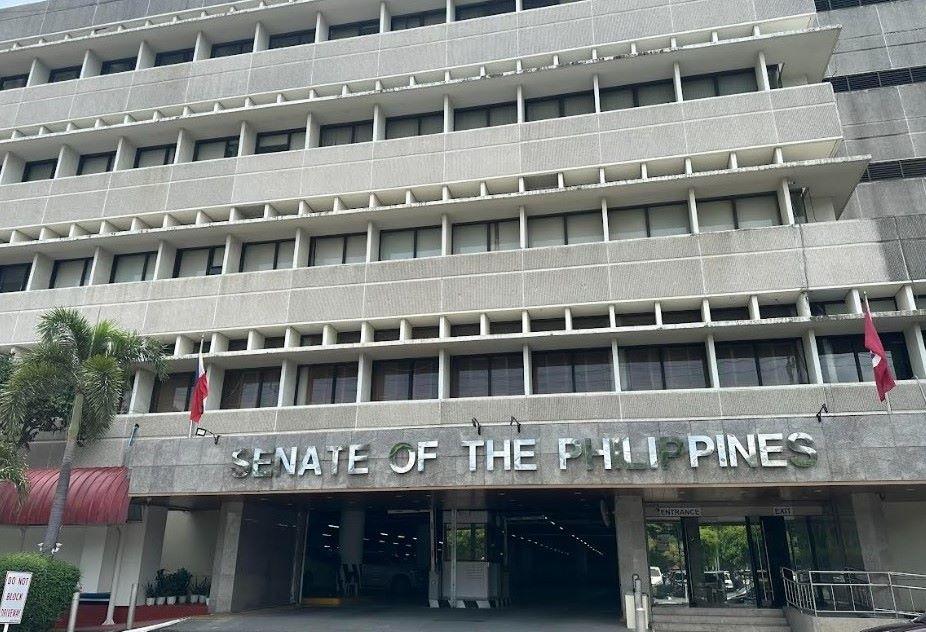
TL;DR: The Senate parliamentarian blocked key parts of a $72 billion Republican immigration bill, forcing a rewrite under reconciliation rules. This decision threatens the GOP’s plan to fund immigration enforcement by the June 1 deadline without a filibuster.
The Byrd rule limits what can be included in budget reconciliation bills to provisions that directly affect federal spending or revenues, and any extraneous measure risks a point of order that strips it from the legislation.
Senate Parliamentarian Elizabeth MacDonough informed Republican leaders that sections covering a White House ballroom upgrade, certain detention funding, and related grant programs do not satisfy the rule’s strict nexus to budgetary changes.
Unless those provisions are revised or removed, the bill cannot advance via reconciliation, which would otherwise allow passage with a simple majority and bypass the 60‑vote filibuster threshold.
First, the parliamentarian’s advice creates a procedural roadblock for the $72 billion immigration enforcement measure, which Republicans had hoped to advance through reconciliation to avoid the 60‑vote filibuster and meet the administration’s June 1 funding deadline.
Second, the Senate voted to confirm Kevin Warsh as the next Federal Reserve chairman, granting him a four‑year term at the helm and a 14‑year seat on the board after Jerome Powell’s tenure concluded.
Third, the Senate defeated a Democratic resolution to curb the Iran conflict by a 49‑50 vote, with Senator Lisa Murkowski joining Republicans Rand Paul and Susan Collins in supporting the measure.
The immigration bill will need revisions before the Homeland Security Committee can mark it up next week; otherwise Republicans may have to drop controversial items such as the ballroom upgrade or certain detention provisions to keep the package within Byrd‑rule limits.
Warsh’s confirmation signals continuity in Federal Reserve leadership, with analysts watching for any shift in monetary policy as he assumes the chair and prepares for the Fed’s first policy meeting under his direction.
The close Iran vote shows a slim bipartisan willingness to check executive war powers, indicating that future resolutions could succeed if a few more senators change their stance or if the administration faces increased congressional pressure.
Watch for the revised immigration text to emerge from committee hearings, the Fed’s inaugural policy meeting under Warsh, and any new Iran‑war votes in the coming weeks.
These developments will test whether Republicans can reconcile their enforcement goals with Byrd‑rule constraints, how Warsh shapes monetary policy, and whether Congress will assert greater oversight of military actions in Iran.
Continue reading
More in this thread
Conversation
Reader notes
Loading comments...