Senate Banking Committee Pushes CLARITY Bill Forward in Partisan Vote
The CLARITY crypto bill cleared the Senate Banking Committee with a partisan vote; Republicans praise it, Democrats warn of industry bias.
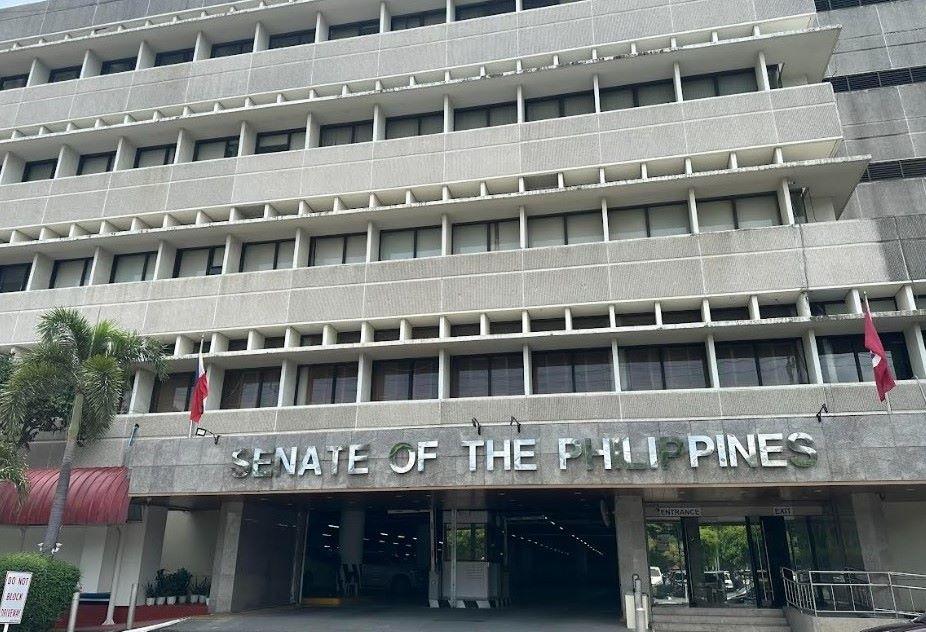
TL;DR: The Senate Banking Committee advanced the Digital Asset Market Clarity Act (CLARITY) with a 15‑9 partisan vote; Republicans praised its law‑enforcement focus, while Democrats warned it was drafted by the crypto industry.
Context The committee’s markup marks the first major congressional step toward a unified regulatory framework for digital‑asset firms, exchanges and custodians. Chair Tim Scott framed the measure as a balance between consumer protection, U.S. innovation and national security. The bill now moves to the Senate floor, where a 60‑vote supermajority is required, before heading to the House and the president’s desk.
Key Facts - All 13 Republican senators and two Democrats—Ruben Gallego and Angela Alsobrooks—voted to advance CLARITY; nine Democrats opposed it. - Senator Elizabeth Warren condemned the bill, saying it was written “solely with crypto industry approval” and would serve a political agenda rather than consumer interests. - Senator Cynthia Lummis countered, describing the legislation as a “pro‑law‑enforcement, pro‑consumer framework.” - More than 100 amendments were proposed, covering stable‑coin yields, AI sandboxes, anti‑money‑laundering rules and ethics restrictions. Most partisan lines held, with Democratic proposals on law‑enforcement powers and ethics failing to pass. - Ranking member Jack Reed noted that the process lacked bipartisan parity, citing repeated curtailment of Democratic amendments by the chair.
What It Means If CLARITY passes, it would codify a cross‑agency approach that clarifies the roles of the Securities and Exchange Commission and the Commodity Futures Trading Commission in overseeing crypto activities. Proponents argue the certainty will attract investment and protect consumers by giving law‑enforcement clear authority. Critics fear the industry‑friendly language could lock in a regulatory regime that favors established players and delays broader reforms.
The next hurdle is a Senate floor vote; without the 60 votes needed, the bill could stall or be reshaped by further negotiations. Watch for coalition‑building efforts among moderate Democrats and the response of the House Financial Services Committee, which will determine whether CLARITY becomes the cornerstone of U.S. crypto regulation or a stepping stone to a different framework.
Continue reading
More in this thread
Israel Files Defamation Suit Against New York Times Over Kristof Rape Allegations
Nadia Okafor
Trump and Xi Frame US‑China Ties as Constructive, Strategic and Stable
Nadia Okafor
Trump Announces Xi Jinping's September 24 White House Visit, Calls US‑China Ties 'Very Special'
Nadia Okafor
Conversation
Reader notes
Loading comments...