Experts Call for SEBI‑Only Oversight and Listing Flexibility in India’s 2025 Securities Markets Code
Experts urge a SEBI‑centric Securities Markets Code and a mechanism for non‑offering listings to keep India on track for a top‑five global market.
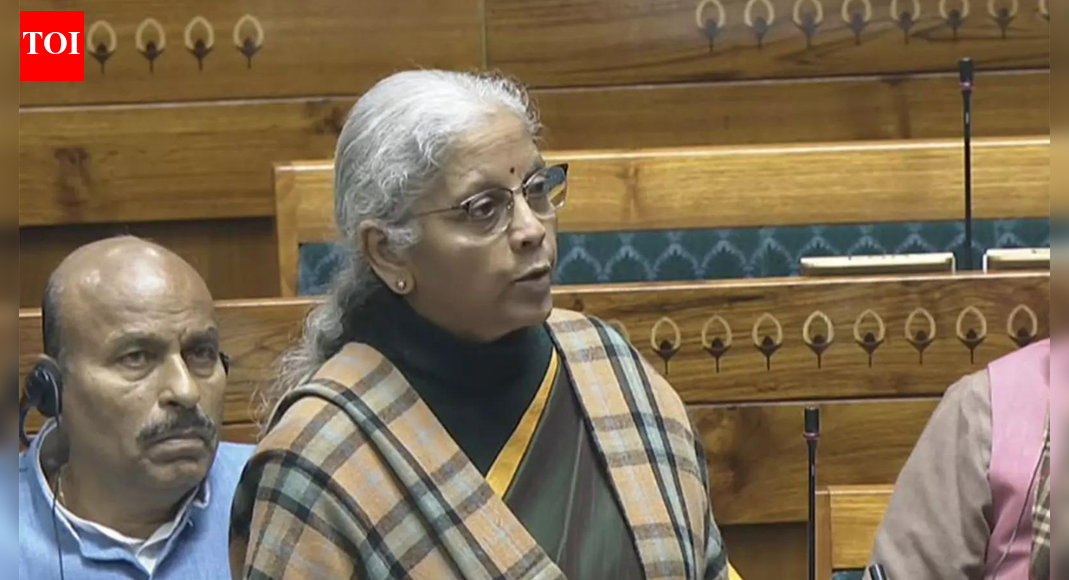
*TL;DR: Experts demand that the 2025 Securities Markets Code give SEBI sole regulatory authority and allow companies to list without issuing or selling shares, a move they say will boost liquidity and speed India toward a top‑five global market.
Context India’s equity market has surged past a $3.5 trillion market‑cap, with the NIFTY 50 up 12 % year‑to‑date and the Sensex gaining 10 %. Major indices have outperformed the MSCI Emerging Markets benchmark, which rose 8 % over the same period. The government’s draft Securities Markets Code aims to codify rules for the next growth phase.
Key Facts - Veteran banker Sunil Sanghai argues the draft lacks innovation, noting that current law forces a company to list only by issuing new shares or selling existing ones. He proposes a “listing without offering” provision, enabling firms to go public without raising fresh capital or forcing shareholders to divest. - Sanghai also recommends a regulated trading venue for unlisted firms, which would provide limited liquidity and price discovery without a full IPO. - The proposal calls for SEBI, the Securities and Exchange Board of India, to be the sole regulator for listed companies. Presently, firms must seek clearance from SEBI, stock exchanges, depositories, the Competition Commission, the Ministry of Corporate Affairs, and the National Company Law Tribunal, creating delays in mergers, demergers and minority squeeze‑outs. - Electronic voting mechanisms are under review; the current system lets portfolio managers cast votes for multiple investors, raising concerns about true shareholder intent.
What It Means A SEBI‑only framework would streamline approvals, potentially cutting the average time for corporate actions from 45 days to under 30 days, according to industry estimates. Allowing non‑offering listings could attract firms that need market visibility but not capital, expanding the listed universe beyond the current 5,200 companies. If adopted, the code could accelerate India’s climb toward the top five global markets, a status projected by analysts within the next three years.
Investors should watch the parliamentary committee’s next hearing on the draft code, scheduled for June 15, where amendments on listing flexibility and regulator consolidation are expected to be debated.
Continue reading
More in this thread
NAICOM Vows to Block Insurer Failures, Accelerates Mergers Before 2026 Recapitalisation Deadline
David Amara
Main Street Growth Act Proposes Venture Exchanges to Channel Patient Capital to Early‑Stage Firms
David Amara
LinkBancorp Merges with Burke & Herbert, Shares Delisted from Nasdaq
David Amara
Conversation
Reader notes
Loading comments...