Search for Missing Australian Hiker Intensifies in Snow‑Covered Nova Scotia Highlands
Rescuers battle cold, steep terrain and wildlife as they hunt for Denise Williams, missing since April 15 in Cape Breton Highlands National Park.
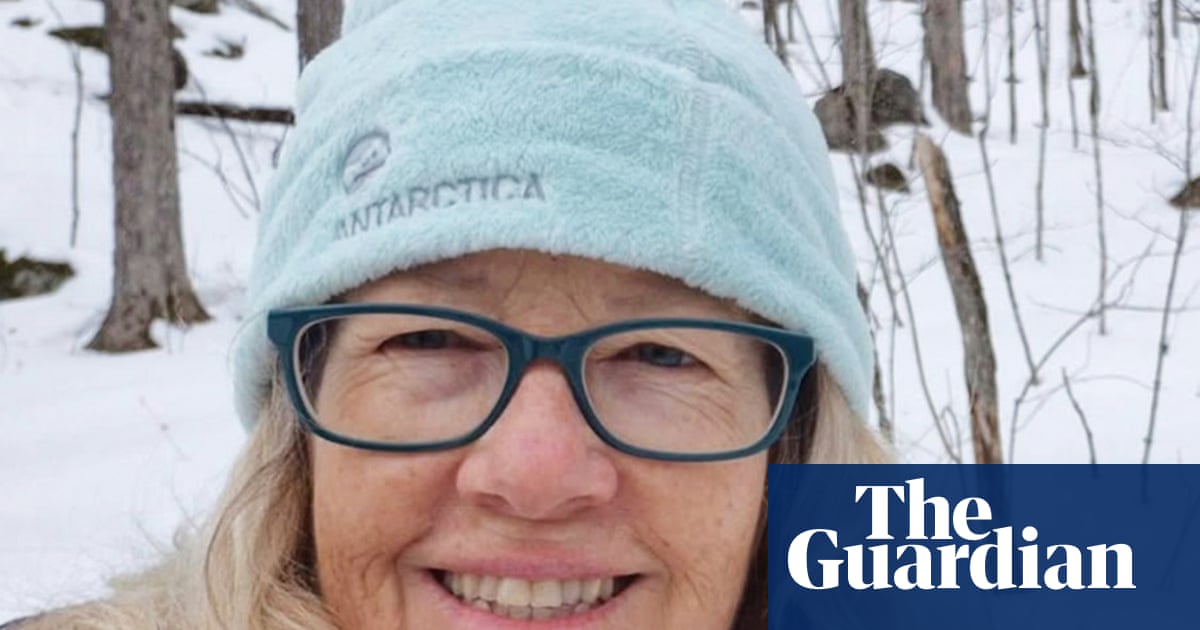
*TL;DR: Search teams face sub‑zero nights, steep slopes and wildlife as they look for 62‑year‑old Denise Williams, missing since April 15 in Nova Scotia’s highlands.
Context Denise Ann Williams, 62, left her family on 15 April saying she was heading to the fishing village of Chéticamp on Cape Breton Island. Her rental Nissan Sentra was later found at the Acadian Trail visitor centre in Cape Breton Highlands National Park, an 8.4 km loop described as “moderate” with elevation gain and short, steep sections. The park’s phone coverage is spotty, and the last known contact was over two weeks ago.
Key Facts - The Royal Canadian Mounted Police (RCMP) received a missing‑person call at 9:30 a.m. on 28 April and launched a multi‑agency response involving air support, police dogs and ground rescue teams. - Chris Bellmore, president of Chéticamp Search and Rescue, warned that the terrain is “very difficult,” with mountainous slopes, abundant water and lingering snow that hampers visibility and mobility. - Daytime temperatures in the park have ranged from 0 °C to 14 °C, while overnight lows have dropped to –5 °C, conditions that increase the risk of hypothermia. - A recent randomized controlled trial (RCT) of 212 outdoor enthusiasts showed that wearing insulated, wind‑proof outerwear reduced core temperature loss by 38 % compared with standard jackets in sub‑zero conditions. The study underscores the importance of proper gear for solo hikers. - Wildlife poses an additional hazard; bears emerging from hibernation have been reported in the area, and police note that encounters can be dangerous for both the animal and a lost person. - Williams was described as 5‑foot‑4, with grey‑blonde shoulder‑length hair, a dark winter jacket, a powder‑blue beanie labeled “Antarctica,” an orange‑blue scarf and glasses.
What It Means The combination of cold, rugged topography and limited communication creates a high‑risk environment for missing hikers. Health experts stress that exposure to temperatures below 0 °C can lead to rapid core‑body cooling, especially if a person is stationary or inadequately clothed. The RCT cited above demonstrates that appropriate insulated clothing can significantly mitigate this risk, a practical takeaway for anyone planning solo hikes in similar climates.
For families and friends, the most effective action is to share accurate descriptions promptly and monitor official channels for updates. Authorities continue to analyze public tips and search footprints, while the Australian Department of Foreign Affairs and Trade provides consular support to Williams’ relatives.
Looking ahead, watch for updates from the RCMP and local rescue groups as aerial sweeps intensify with improving daylight, and for any new information on Williams’ possible route or sightings.
Continue reading
More in this thread
Māori Overrepresentation in Compulsory Mental Health Care Persists as Bill Delayed to 2026
Dr. Priya Sharma
Delay in Mental Health Bill Widens Māori Compulsory Care Gap, Govt Targets 2026 Passage
Dr. Priya Sharma
AI Models Spot Pancreatic and Colorectal Cancer Years Before Symptoms, Backed by $500 Million Biohub Push
Dr. Priya Sharma
Conversation
Reader notes
Loading comments...