Scotland’s ‘Green Datacentres’ Policy Overlooks Massive Carbon Footprint
Scotland’s push for AI datacentres may hide a 6.2 GW power demand and heavy gas use, challenging its net‑zero claims.
TL;DR
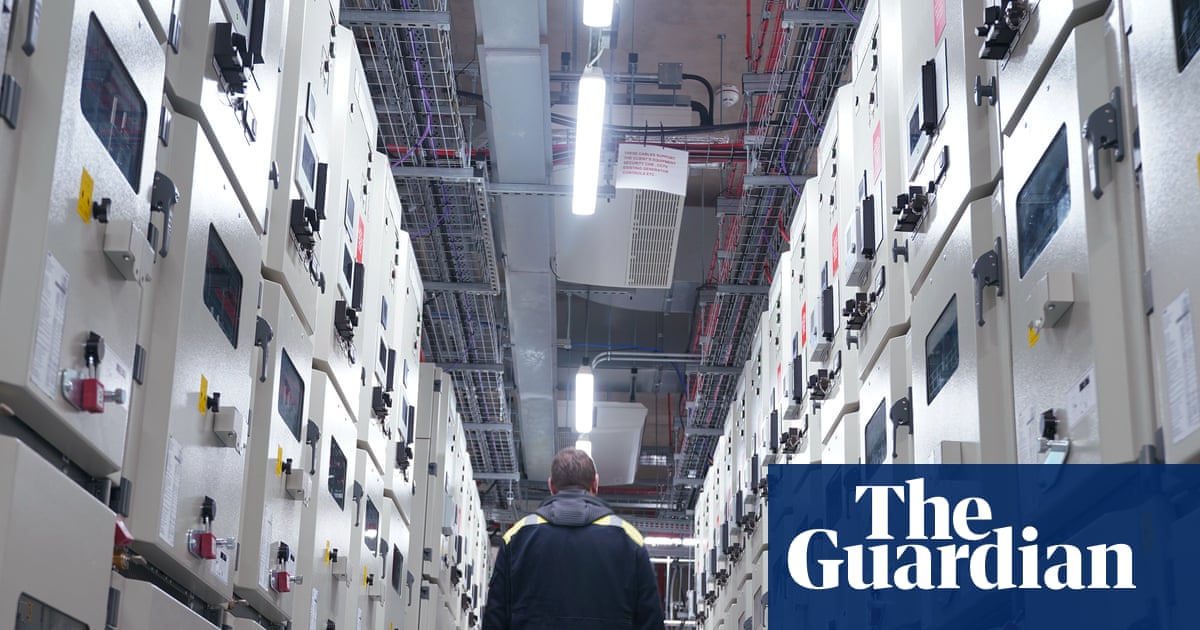
Scotland’s “green datacentre” policy may mask the carbon impact of AI, with projects set to draw 6.2 GW—half again the nation’s winter peak power use.
Scotland is courting AI firms with promises of renewable energy and a skilled workforce. The national plan labels new facilities as “green datacentres,” yet the definition remains vague. Without clear criteria, developers can claim green status while relying on carbon‑intensive power sources.
The Scottish charity Action to Protect Rural Scotland (APRS) estimates that over 100 pending datacentre projects will request gas connections because the National Grid cannot meet demand in a timely manner. Gas‑fired generators emit carbon, contradicting the low‑emission narrative.
Collectively, the proposed sites would require about 6.2 GW of electricity. That amount exceeds Scotland’s peak winter consumption by roughly 50 %, meaning the grid would need to supply one‑and‑a‑half times its highest seasonal load.
Green MSP Ariane Burgess has called for transparency on what qualifies as a “green datacentre” and how the grid will handle the surge. The National Planning Framework 4 mentions “green datacentres” but offers no concrete definition, assuming their impact on greenhouse‑gas targets will be negligible.
APRS points out that the framework’s emissions analysis dates to 2022, before large‑scale AI models like ChatGPT emerged. That study balanced datacentre emissions against reduced travel, a calculation now outdated given AI’s soaring energy demand.
A recent Edinburgh datacentre application labeled itself green despite planning to install 200 diesel backup generators—equivalent to 100,000 idling cars. The planning committee accepted the claim, highlighting the policy gap.
If the projected gas connections proceed, the carbon output could dwarf any renewable offset. The UK’s National Energy System Operator has encouraged developers to locate in Scotland, citing abundant renewables, yet the grid’s capacity constraints push projects toward fossil fuels.
The Scottish government maintains that the region’s renewable resources and resilient fibre network make it ideal for green datacentres, promising economic growth aligned with net‑zero goals. APRS warns that ignoring the true emissions of hyperscale facilities undermines those ambitions.
What it means: Scotland’s AI attraction strategy risks inflating green credentials while the actual power mix leans heavily on gas. The lack of a clear “green” definition allows high‑emission projects to slip through planning checks.
What to watch: Updates to the National Planning Framework, any formal definition of “green datacentre,” and the proportion of renewable versus gas power in upcoming Scottish AI hubs.
Continue reading
More in this thread
Nottingham Engineer Parimala Shivaprasad Secures UK Government DSIT Fellowship to Shape Climate and Energy Policy
Measured Take
UK Govt Sets 87% Emissions Cut Target for 2038‑2042 as Net Zero Economy Tops 1m Jobs and £105bn GVA
Measured Take
Ireland Extends INFOMAR Funding to 2029, Boosting Offshore Protected Areas to 10%
Measured Take
Conversation
Reader notes
Loading comments...