Santander Absorbs TSB, Becomes UK's Third‑Largest Bank by Accounts
Santander's acquisition of TSB adds five million customers and £71.5bn in assets, making it the third‑largest UK bank by accounts and boosting competition.
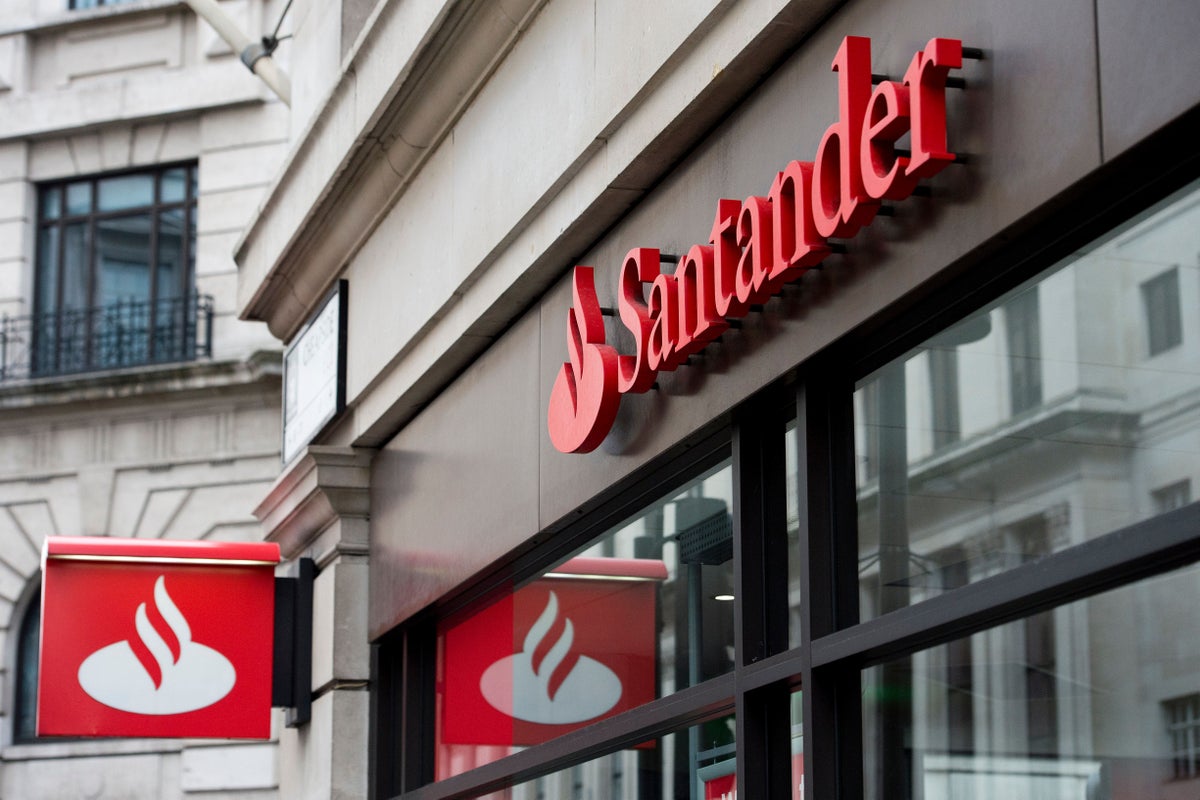
TL;DR
Santander's purchase of TSB adds five million customers and £71.5 bn in assets, propelling the combined entity to third place in UK customer accounts.
Context The transaction took effect on 1 May, turning TSB into a wholly owned subsidiary of Santander UK. While the two brands will continue to operate separately pending regulatory approval, the deal reshapes the competitive landscape of British retail banking.
Key Facts - Five million former TSB customers will join Santander UK, bringing roughly £71.5 bn in gross customer assets. The asset mix splits into £35.2 bn of deposits (money customers keep in accounts) and £36.3 bn of lending (outstanding loans). - The combined bank now ranks third in the UK by the number of customer accounts and fourth by mortgage lending volume. - Board changes accompany the merger: David Oldfield replaces Nick Prettejohn as chair of TSB, while TSB chief executive Nicola Bannister, CFO Alison Straszweksi, and Santander UK chief executive Mahesh Aditya join the TSB board. - Both CEOs stress a seamless transition. Bannister called the deal “a significant new chapter” and promised “even better banking for our customers.” Aditya described the acquisition as the largest UK banking investment in 15 years, aimed at creating a more competitive, sustainable institution.
What It Means For customers, the immediate experience remains unchanged; accounts, apps, and branch services continue under existing brands. Over the next few years, integration could bring unified digital platforms, broader product ranges, and potentially tighter pricing on mortgages and loans as the enlarged bank leverages scale. The merger also intensifies competition among the UK’s banking elite. Barclays, Lloyds and HSBC will now face a larger Santander‑TSB challenger for retail deposits and mortgage business. Analysts will watch how quickly Santander can harmonise risk management and technology across the two legacy systems, a process slated for completion by the first half of 2027. Regulators will scrutinise the deal for consumer impact, especially in mortgage pricing and credit availability. Any delay in approval could stall the planned integration and affect the bank’s growth targets. Looking ahead, market observers will monitor the pace of operational integration, the effect on mortgage rates, and whether the combined entity can sustain its projected growth without disrupting customer service.
Continue reading
More in this thread
China Sets Two‑Year Zero‑Tariff Regime for 53 African Nations Starting May 2026
Elena Voss
BMW i Ventures Deploys $300 Million Fund III to Accelerate AI in Automotive
Elena Voss
Coforge Finalizes Cigniti Merger After NCLT Nod, EBITDA Hits 19% and Top Client Revenue Triples
Elena Voss
Conversation
Reader notes
Loading comments...