Ryanair Flight from Milan to Manchester Stranded Passengers Amid EU Border Delays
Ryanair confirmed that passport control delays at Milan Bergamo, linked to the EU’s Entry‑Exit System, caused passengers to miss a Manchester flight. The system has logged over 56 million crossings since October.
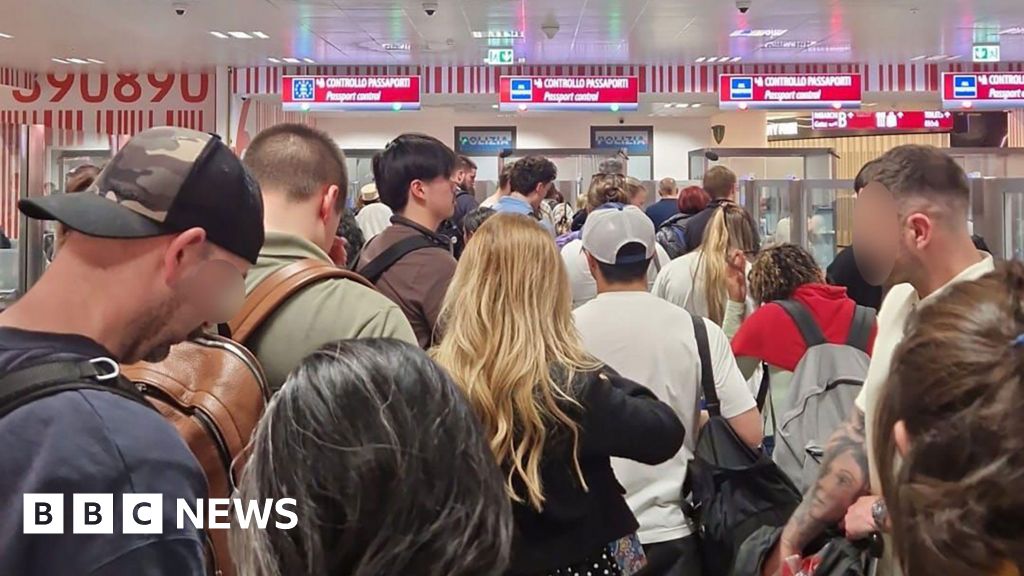
A crowd of passengers waiting in the passport control queue at Milan Bergamo airport on 16 April, with four check-in desks visible.
TL;DR
Ryanair said passport control delays at Milan Bergamo left several passengers unable to board a flight to Manchester on 16 April. The delays are linked to the EU’s Entry‑Exit System, which has processed over 56 million crossings since its October launch.
Context
The Entry‑Exit System (EES) records biometric data of non‑EU travelers each time they cross a Schengen border. It began phased rollout in October 2023 and was slated for full operation on 10 April 2024. While the European Commission reports smooth functioning in most member states, some airports have experienced long queues and technical glitches during the early days.
Earlier this month, EasyJet left passengers behind at Milan Linate under similar circumstances, showing the issue is not isolated to one carrier. The Commission says the system’s goal is to enhance security and safeguard EU citizens by tracking entries and exits.
Key Facts
Ryanair confirmed that, due to passport control delays at Milan Bergamo on 16 April, a number of passengers missed the Milan‑Manchester flight. Passenger Adam Hassanjee said he waited an hour and a half without movement, watched the plane depart, and was told to book his own return. He estimated roughly 80 people were in his queue, while Ryanair noted about 30 travelers were left stranded on that flight. Since its launch, the EES has logged over 56 million border crossings, denied entry to 28,500 people, and flagged 700 as security threats.
What It Means
The incident highlights how teething problems with new border technology can disrupt airline operations and passenger plans. Airlines may need to build larger buffers into schedules or improve real‑time communication with border authorities. Travelers should allow extra time for document checks, especially when flying from airports still adjusting to the EES. The disruption also raises concerns for the upcoming summer travel period, when passenger volumes peak. Looking ahead, regulators and airport operators will likely monitor queue times and system performance to decide whether additional staffing or software tweaks are needed.
Continue reading
More in this thread
German Leaders Warn Iran War Drives Up Shipping Costs, Impacts 90% of Industry
Elena Voss
Patterson-UTI Energy Projects 10-Cent Q1 Loss, Follows Q4 Beat with +11.1% Earnings ESP
Elena Voss
Baker Hughes Q1 2026 EPS Estimate Lowered to 50 Cents Despite WTI Price Surge
Elena Voss
Conversation
Reader notes
Loading comments...