Royal Navy Trails Russian Frigate for a Month as Sanctioned Ship Escorts Rise
UK navy shadowed a Russian frigate for a month as it escorted sanctioned vessels through the Dover Strait, prompting debate over naval proportionality.
TL;DR
The Royal Navy followed a Russian frigate for a month as it escorted multiple sanctioned ships through the Dover Strait, a move experts call disproportionate.
Context Britain’s naval forces have intensified surveillance of Russian maritime activity after London threatened to seize vessels linked to Moscow’s “shadow fleet.” The shadow fleet consists of aging tankers that sail under third‑country flags to move roughly half of Russia’s oil exports. Recent UK statements pledged tougher action against these ships, yet no seizures have occurred since the pledge.
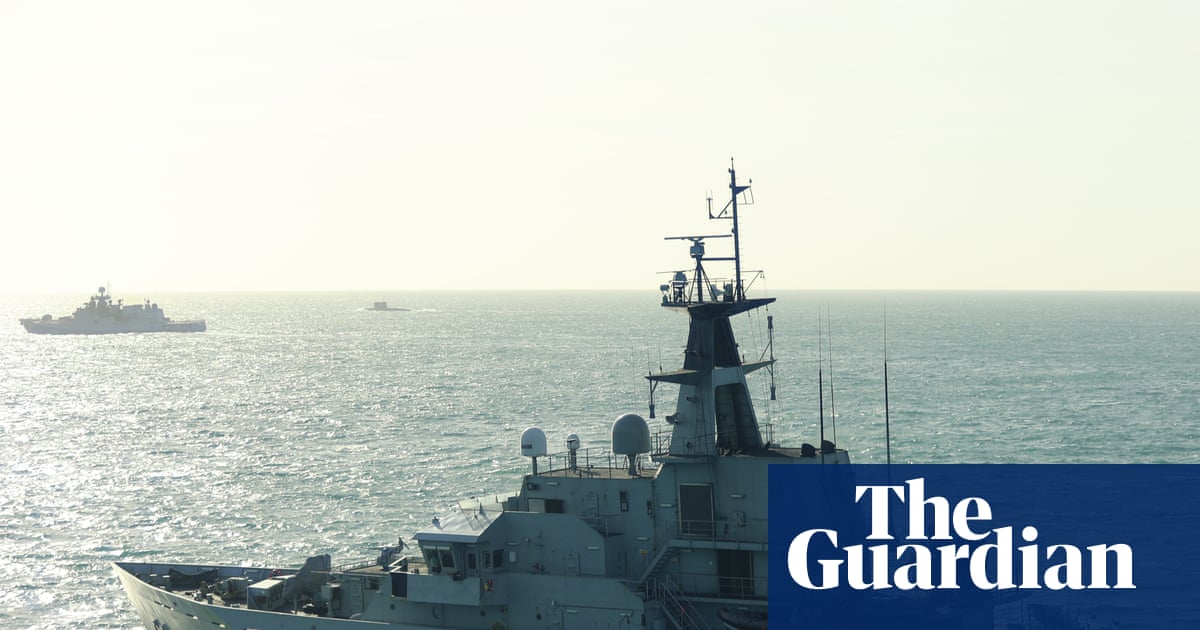
Key Facts - From early April to early May, Royal Navy vessels and helicopters kept continuous watch on the Russian frigate *Admiral Grigorovich* as it moved from the Atlantic into the North Sea. - In April, the frigate escorted six Russia‑linked vessels through the Dover Strait; at least three were subject to EU‑US sanctions. Four British warships and accompanying helicopters monitored the convoy. - The frigate refuelled near the Galloper wind farm off Suffolk, allowing it to remain in the North Sea for the duration of the operation. - A second Russian frigate, *Admiral Kasatonov*, later passed through the Channel with two merchant ships bound for Syria’s Tartus port, one identified as the arms‑transport vessel *Sparta*. - Defence Secretary John Healey disclosed that British submarines also shadowed three Russian subs near UK pipelines and cables, suggesting a broader intelligence focus. - Security analyst Elisabeth Braw of the Atlantic Council described the escort as “completely disproportionate,” noting that navies typically provide such protection only against clear military threats, such as Houthi attacks in the Red Sea. - European partners have seized shadow‑fleet tankers this year—Sweden, France, Belgium and the United States—but it remains unclear whether any were under naval escort at the time of seizure.
What It Means The month‑long tracking underscores a shift in Russian naval posture: deploying warships to shield commercial vessels that breach sanctions. By allocating a frigate to protect a convoy, Moscow signals willingness to risk direct confrontation with NATO navies to keep revenue streams open. For the UK, the operation stretches already‑stretched resources, as ships and helicopters must remain on station while also responding to submarine activity.
The proportionality of the escort raises legal and strategic questions. If navies begin to treat commercial sanction‑evaders as military targets, the risk of accidental clashes at sea could rise. Conversely, the visible presence of Russian warships may deter UK authorities from exercising seizure powers, as hinted by the lack of recent confiscations.
Looking ahead, watch for any escalation in naval encounters in the Dover Strait and for policy updates from the UK Ministry of Defence regarding rules of engagement with escorted, sanctioned vessels.
Continue reading
More in this thread
Conversation
Reader notes
Loading comments...