River Wye Gains UK‑First Legal Rights as Thousands Sue Over Pollution
The River Wye becomes the UK's first river catchment with legal personhood while thousands launch a historic lawsuit against polluters.
TL;DR
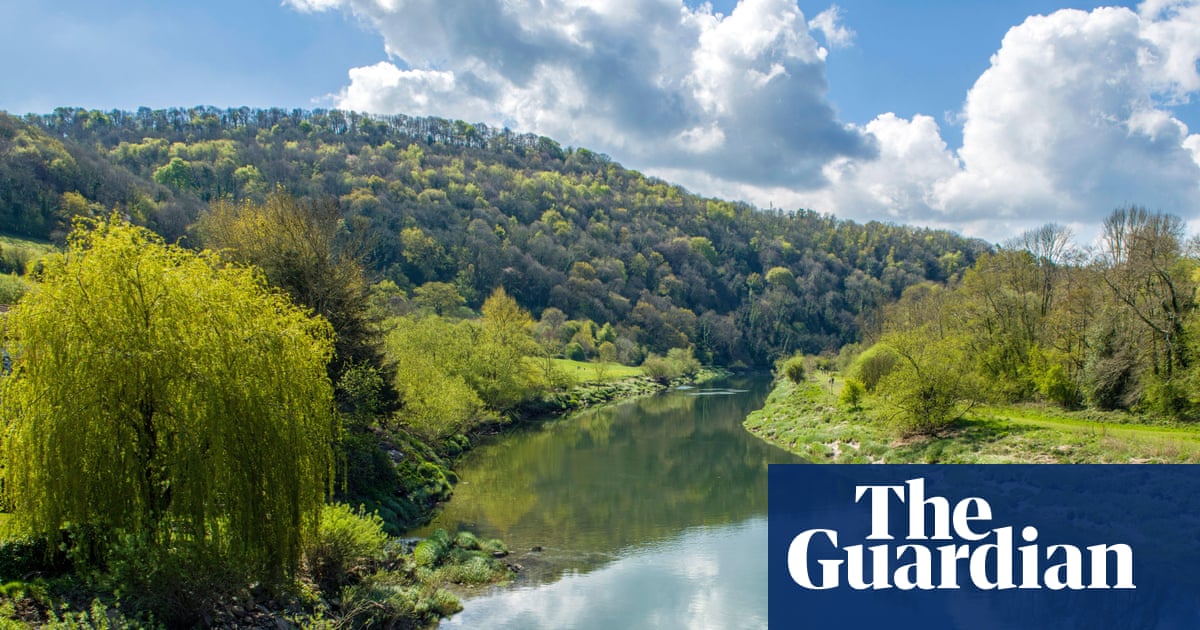
The River Wye’s entire catchment has been granted legal personhood, the first in the UK, as more than 4,500 residents file a high‑court claim against Avara Foods and Welsh Water for pollution.
Context The Hay‑on‑Wye literary festival hosted the signing of a charter that declares the River Wye a living ecosystem with intrinsic rights. The document lists rights to flow, biodiversity, freedom from pollution, regeneration and representation. Councils in Herefordshire and Powys have already adopted the charter; Gloucestershire and Monmouthshire are expected to follow, covering the river’s 130‑mile course from the Cambrian Mountains to the Bristol Channel.
Key Facts - The charter marks the first UK‑wide legal recognition of a river catchment as a rights‑bearing entity. - More than 4,500 people living near the Wye, Lugg and Usk rivers have joined a lawsuit alleging that intensive poultry farming by Avara Foods and sewage discharges by Dŵr Cymru (Welsh Water) have driven nutrient overload, algal blooms and loss of aquatic life. - Campaigner Angela Jones called the charter “historic” but warned the river sits on the “cliff edge of ecological collapse” without stricter regulation, enforceable nutrient limits and funded restoration. - In 2025, ecologist Dr Louise Bodnar became the first appointed voice for the river, holding a voting seat on the catchment nutrient management board.
What It Means Legal personhood gives the Wye a standing in court, allowing its appointed representative to argue for enforcement of existing environmental laws. The lawsuit, the largest pollution claim in UK history, could force Avara Foods and Welsh Water to fund clean‑up measures, upgrade waste‑water infrastructure and adopt tighter controls on poultry farm runoff. If successful, the case may set a precedent for other UK rivers seeking similar rights, accelerating the broader “rights of nature” movement that already includes rivers in Ecuador, Canada and New Zealand. Watch for the high court’s ruling later this year and for neighboring councils’ decisions on adopting the charter.
Continue reading
More in this thread
Turkey Sets 120 GW Renewable Target by 2035 Amid Global Energy Strain
Dr. Leo Tanaka
Study Shows 100% Renewable Grid by 2050 Feasible with 15–20 TW Wind/Solar and Over 9 Million Hectares of Solar
Dr. Leo Tanaka
Global Study Finds 15‑20 TW Renewable Capacity and 9 Mha Solar Land Needed for 2050 Net‑Zero Grid
Dr. Leo Tanaka
Conversation
Reader notes
Loading comments...