Rising Funeral Costs Push More Britons Toward Unattended Cremations, Leaving Regret
UK funeral costs up 3.5% to £4,285 in 2025; nearly 20% regret unattended cremations. Market data, mechanisms, and what to watch next.
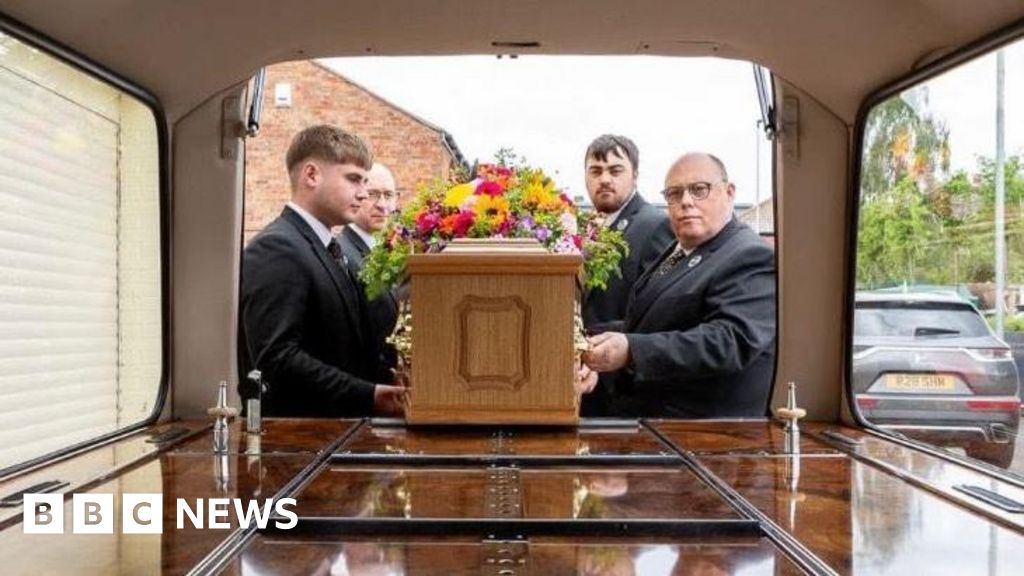
A funeral director team putting a coffin with flowers laid on top into a hearse. They are in a residential area and are all wearing suits. The view is from inside the hearse
Funeral costs in England rose to £4,285 in 2025, a 3.5% increase, driving more families to choose unattended direct cremations that leave nearly one in five with regret or unresolved grief.
The average price reflects higher fuel expenses for crematoria, rising coffin material costs, and annual fee adjustments by local authorities. These pressures have been building for years, with fuel prices spiking amid global tensions and timber and metal prices climbing due to supply chain constraints.
According to SunLife, a basic funeral now averages £4,285, up from £4,140 in 2024. The National Society of Allied and Independent Funeral Directors (SAIF) found that almost 20% of people who arrange a direct cremation later regret it, and a similar share report unresolved grief. Ed Cullen, whose mother opted for an unattended cremation to save money, said the decision left him with "significant devastation" and painful memories, adding that he would never recommend the option.
Market data shows funeral service provider Dignity PLC (LSE: DTY.L) holding a market cap of roughly £1.2 billion, with its share price down about 4% over the past month while the FTSE 100 remained flat. The decline mirrors investor concern over rising operating costs and potential consumer shift toward lower‑cost alternatives.
The mechanism is straightforward: higher energy prices increase the cost of running cremators; timber and metal price hikes raise coffin expenses; and local authorities pass on administrative fee increases. Families facing these costs often turn to direct cremation, which omits a service and attendees, to reduce immediate outlays.
This trend means more households may experience incomplete grieving processes, potentially increasing demand for bereavement support services. Policymakers are reviewing the Funeral Expenses Payment scheme, which currently covers about 46% of average funeral costs for eligible recipients.
What to watch next: any government adjustments to funeral subsidies, changes in crematorium fee structures, and whether providers like Dignity PLC adapt pricing or service models in response to shifting consumer preferences.
Continue reading
More in this thread
Conversation
Reader notes
Loading comments...