Rising Funeral Costs Drive More Families to Choose Direct Cremations, Many Later Regret the Choice
Average funeral in England reaches £4,285, up 3.5%; nearly 20% who pick direct cremation later regret it, citing unresolved grief.
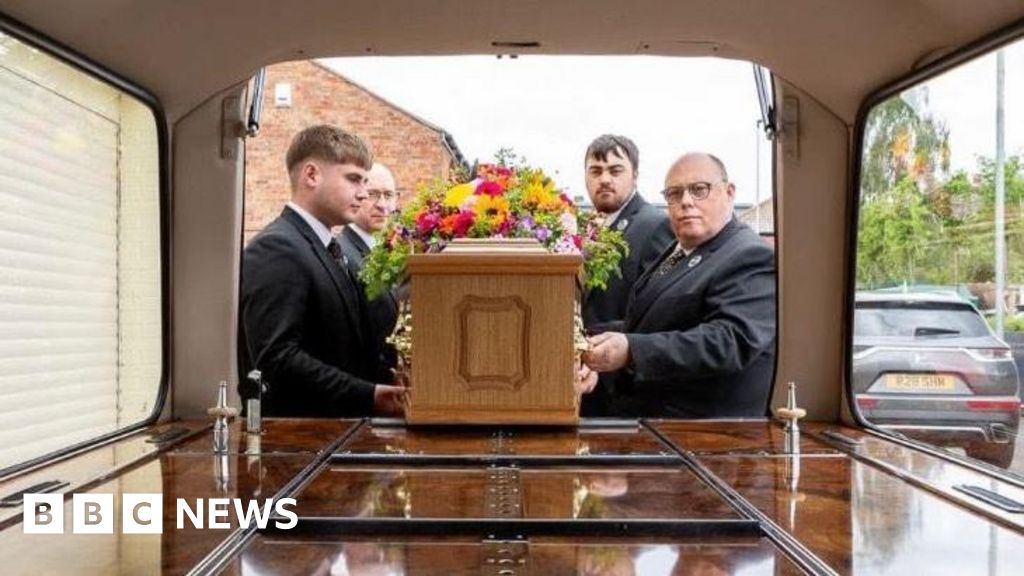
A funeral director team putting a coffin with flowers laid on top into a hearse. They are in a residential area and are all wearing suits. The view is from inside the hearse
TL;DR
Funeral prices in England rose to £4,285 in 2025, a 3.5% increase, prompting more families to opt for low‑cost direct cremations. Surveys show nearly one in five who choose that option later regret it and report unresolved grief.
Context
Funeral expenses have been climbing steadily for years, driven by higher fees for crematoria, coffins and transport. In 2025 the average basic funeral cost £4,285, according to SunLife’s annual report. The rise mirrors broader inflation in fuel, food and travel, which has been exacerbated by recent geopolitical tensions. As prices rise, many households look for cheaper alternatives, and direct cremation—where the body is cremated without a service or attendees—has become a common choice.
Key Facts
The £4,285 figure marks a 3.5% increase from 2024. SAIF research found that almost 20% of people who arrange a direct cremation later regret the decision, and a similar proportion say they are left with unresolved grief. Ed Cullen, whose mother opted for an unattended cremation to save money, described the experience as devastating and said he would not recommend it to anyone. He noted that the lack of a farewell left him with painful memories and stress. The same SAIF survey also highlighted that many respondents felt they had missed the chance to say goodbye.
What It Means
The trend suggests that financial pressure is pushing families toward options that may not meet their emotional needs. While direct cremation reduces immediate costs, the regret and grief reported by a significant minority indicate potential long‑term psychological effects. Funeral directors advise families to discuss wishes early and explore available support, such as the government’s Funeral Expenses Payment, which covers about 46% of typical costs on average. Some local authorities offer public health funerals, a basic service arranged and paid for by the council. Independent funeral directors say they try to work with families to balance cost and meaning, but rising overheads force them to pass on expenses. Policymakers may need to examine whether current subsidies adequately address both affordability and the desire for a meaningful farewell. What to watch next: whether rising funeral costs will lead to greater use of state assistance programs or prompt reforms in how bereavement support is delivered.
Continue reading
More in this thread
Conversation
Reader notes
Loading comments...