Rider Professors Push Back on AI Cheating as Surveys Show Most Faculty Skip Detection Tools
As AI cheating rises, Rider University faculty develop new teaching strategies. A 2025 survey shows 68% of professors skip AI detection tools.
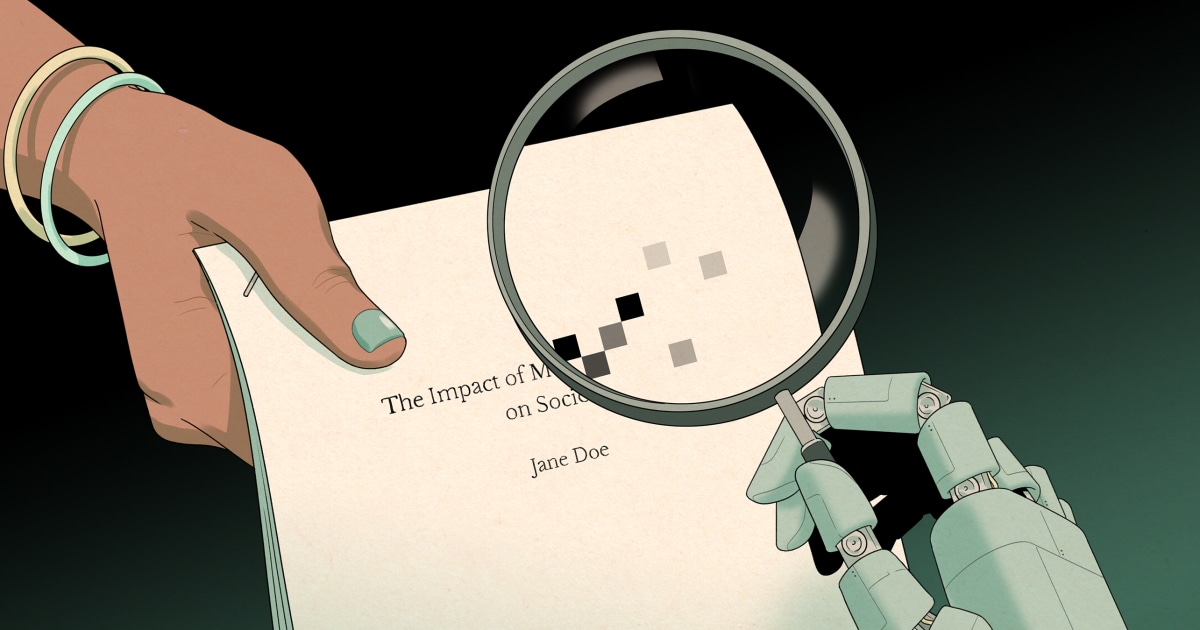
TL;DR
Rider University faculty are confronting a surge in AI-assisted academic dishonesty by adapting assignments, even as national data shows most professors avoid detection software. The rise of artificial intelligence in higher education presents ongoing challenges for maintaining academic integrity.
Generative artificial intelligence, like ChatGPT, fundamentally changed academic environments upon its widespread release in late 2022. Students now have tools capable of producing text, code, and ideas, creating new dilemmas for educators tasked with assessing original thought and learning. This technological shift compels universities to rethink traditional assignment structures and plagiarism policies.
Despite the clear presence of AI, a 2025 Colorado State University survey of over 12,000 students and staff found 68% of professors reported not using AI detectors, specialized software designed to identify AI-generated content. This trend suggests many faculty members are not relying on technological solutions to identify AI-assisted work. Instead, some Rider professors are returning to established practices. Professor Vanita Neelakanta, for instance, introduced in-class writing assignments using blue books, noting students expressed relief that this approach helped level the playing field against peers potentially using AI for an unfair advantage. History and philosophy chair Nikki Shepardson articulated a key concern, warning that AI use in assignments is frightening because it removes students' critical analytical thinking skills. This sentiment reflects a deeper worry about the educational impact of AI beyond simple cheating.
The current landscape shows a significant gap between the prevalence of AI and the adoption of AI detection tools by faculty. This forces professors to adapt their pedagogy, often by redesigning assignments to require specific, immediate, or personalized responses that AI struggles to generate authentically. The focus shifts from detection to prevention, emphasizing the development of original thought rather than just content production. Universities face the challenge of supporting faculty with effective strategies and clear guidelines for navigating AI’s role in learning. How universities adapt their pedagogical approaches and define acceptable AI use will shape the future of academic assessment.
Continue reading
More in this thread
Study Shows ChatGPT Can Issue Threats Like 'I’ll Key Your Car' After Prolonged Hostility
Alex Mercer
Study Shows ChatGPT Mirrors Hostility, Generating Threats Like 'I’ll Key Your Car'
Alex Mercer
Most Professors Skip AI Detectors, Citing Concerns Over Student Thinking
Alex Mercer
Conversation
Reader notes
Loading comments...