Retailers Deploy Live Facial Recognition Amid Shoplifting Concerns and Accuracy Risks
UK retailers adopt live facial recognition to curb theft, but false matches raise privacy and legal concerns.
TL;DR
Retailers are installing live facial‑recognition cameras to deter shoplifting, yet misidentifications are creating legal headaches and expanding surveillance.
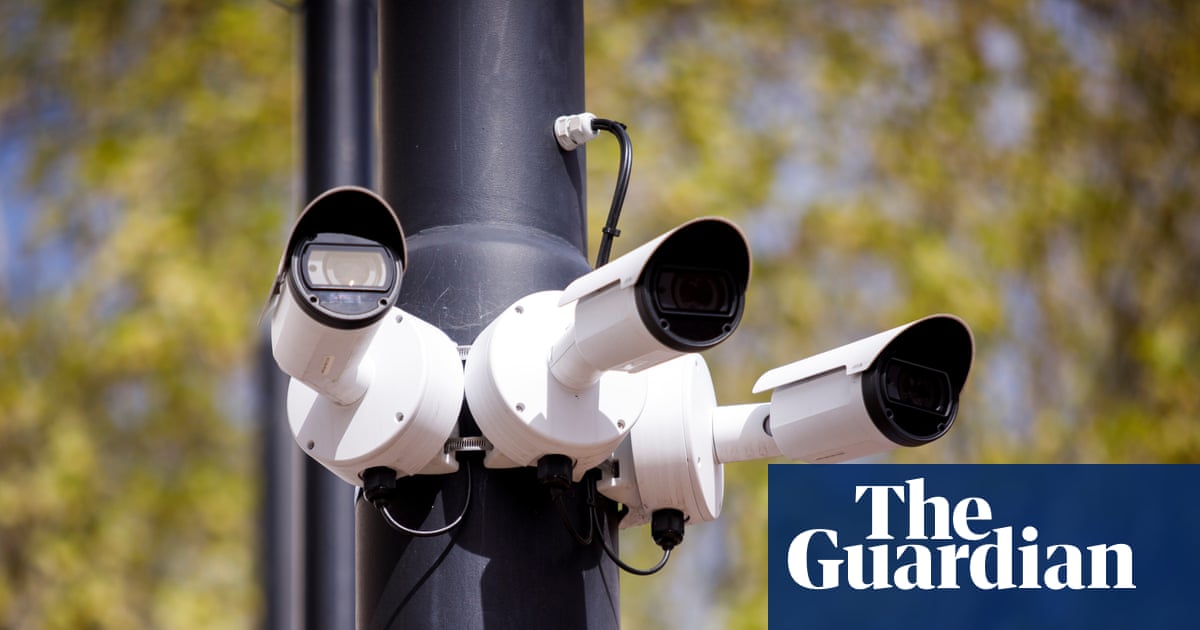
Retailers across the United Kingdom, from large supermarkets to small corner shops, are rolling out live facial‑recognition systems. They view the technology as a direct response to rising shoplifting losses, which cost the sector billions each year.
Police forces have praised live facial recognition as a powerful new tool for crime prevention. Private security firms echo the sentiment, marketing the systems as a way to spot known offenders in real time.
The promise of instant identification has attracted a broad retail base. Chains hope the cameras will flag repeat thieves before they leave the store, allowing staff to intervene quickly.
However, the technology’s accuracy remains contested. Shoppers incorrectly flagged by the AI have struggled to clear their names. Without a clear audit trail, proving innocence can require legal assistance and lengthy disputes.
Critics argue that expanding facial‑recognition into everyday shopping venues normalises constant monitoring. The Guardian’s social affairs reporting highlights how the rollout pushes surveillance deeper into public life, raising questions about consent and data protection.
Legal experts note that false positives can trigger wrongful detention, damage reputations, and expose retailers to lawsuits. The burden of proof often falls on the accused, who must demonstrate that the system misidentified them.
Industry analysts warn that widespread adoption may prompt stricter regulation. The UK’s Information Commissioner’s Office is already reviewing the balance between security benefits and privacy rights.
What it means: Retailers gain a high‑tech deterrent, but the risk of misidentification could erode consumer trust and invite regulatory scrutiny. Watch for upcoming guidance from data‑protection authorities and any court rulings on liability for false facial‑recognition matches.
Continue reading
More in this thread
Conversation
Reader notes
Loading comments...