Reform UK Becomes Main Opposition in North Tyneside After Low‑Turnout Vote
Reform UK becomes the chief opposition on North Tyneside Council as the Greens win their first seats, with voter turnout at 42.2%.
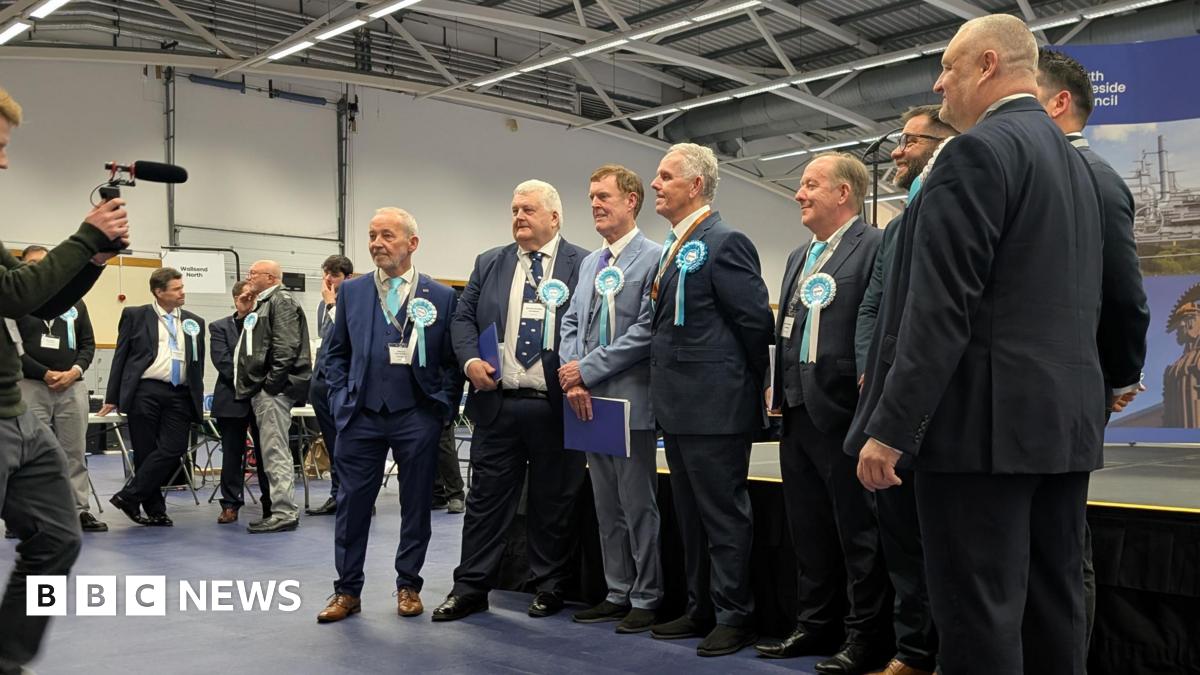
Eight men stand in a line in front of the stage and smile for the photographer in front of them. They are all wearing turquoise rosettes for Reform.
*TL;DR: Reform UK displaced Labour as the primary opposition on North Tyneside Council and the Greens secured their inaugural seats, with voter turnout at 42.2%.
Context Local elections in North Tyneside were held for one‑third of council seats, a schedule that normally limits the chance of a power shift. Labour entered the contest holding a strong majority, but three of its cabinet members were among the incumbents defending seats.
Key Facts - Reform UK emerged as the chief opposition, winning enough seats to surpass Labour in that role. The new composition lists Labour with 38 seats, Reform with 11, Conservatives with 8, Greens with 2, and one Independent. - Voter turnout measured 42.2%, indicating that less than half of eligible voters cast a ballot. - The Green Party achieved a historic breakthrough, gaining two seats—the first ever for the party on North Tyneside Council. One of the new Green councillors, Martin Osborne, described the result as a potential start of a broader Green presence. - Labour retained five of the 17 seats it defended but lost ground to Reform and the Greens. The party’s mayor, Karen Clark, called the outcome “challenging” while noting the loss of long‑serving councillors. - Reform UK councillors such as Steven Robinson and Dan Robson highlighted public demand for change, with Robinson emphasizing the party’s role as the needed shift for the area.
What It Means Reform UK’s rise to the main opposition spot signals a diversification of political voices on the council, potentially reshaping debate on local services and development. The Greens’ entry suggests growing environmental concerns among voters, even in a low‑turnout context. With Labour’s majority intact, the council’s policy direction will likely remain stable, but increased scrutiny from Reform and the Greens could pressure the administration on issues like housing, transport, and climate action. Watch the council’s upcoming budget meeting for the first test of Reform’s influence and any collaborative moves with the new Green members.
Continue reading
More in this thread
Conversation
Reader notes
Loading comments...