Reform UK Leads Vote Share at 26% as Starmer Vows to Stay On
Reform UK tops the projected national vote share at 26% while Labour leader Keir Starmer refuses to resign after heavy election losses.
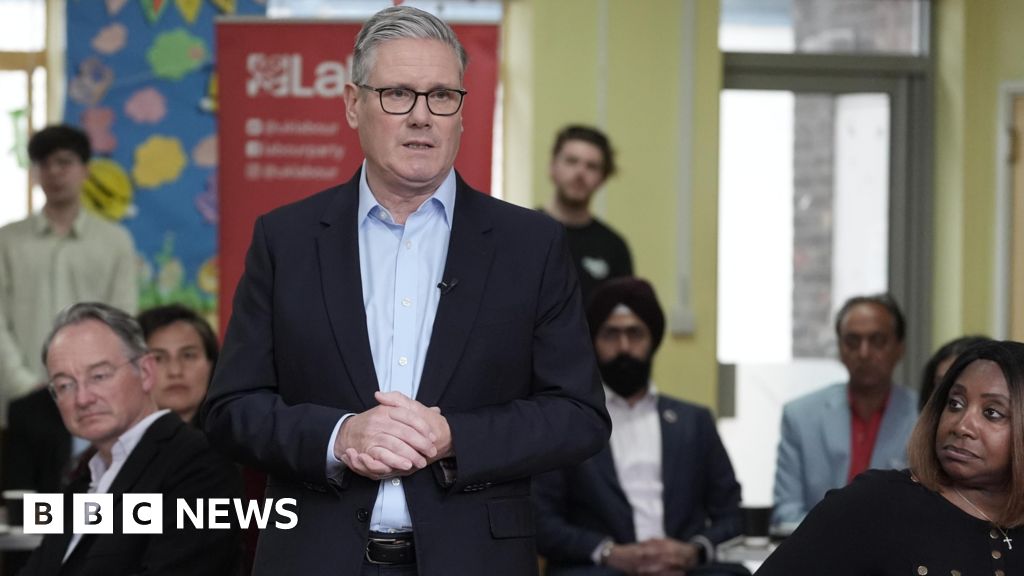
Keir Starmer speaks to a room of party members. He is standing in front of a Labour banner.
TL;DR: Reform UK claims a 26% projected national vote share, eclipsing the Greens, Labour and the Conservatives, while Prime Minister Keir Starmer says he will not quit despite Labour’s crushing defeat.
Context The latest election night counts show a seismic shift in British local politics. Reform UK captured more than 1,400 council seats, taking control of authorities that have long been Labour or Conservative strongholds. The party’s surge comes as Labour loses its 27‑year rule in Wales and suffers massive setbacks across England and Scotland.
Key Facts - The BBC’s projected national share (PNS) – an estimate based on results from over 1,000 wards – puts Reform UK at 26% of the vote, the highest of any party. The Greens follow with 18%, while Labour and the Conservatives are tied at 17% each. - Reform’s breakthrough includes winning council control in regions traditionally dominated by the two major parties, adding over 1,400 seats to its tally. - Labour’s losses exceed 1,100 English council seats, eroding its base in the North and the Midlands. In Wales, Plaid Cymru now leads the devolved parliament, with Reform as the main opposition. - In Scotland, the SNP remains the largest party but fell short of a majority; Labour finished a distant second, tied with Reform on 17 seats. - Amid the fallout, Prime Minister Keir Starmer told the BBC he will not resign, warning that stepping down would “plunge the country into chaos.” He reiterated the stance in a Guardian piece, pledging to unite a broad political movement. - Health Secretary Wes Streeting pledged his support for Starmer’s response, while senior ministers publicly backed the leader on social media.
What It Means Reform UK’s 26% share signals the end of the historic two‑party dominance in UK politics. The party’s ability to win council control in Labour and Conservative heartlands suggests a realignment of voter loyalties at the local level. Labour’s collapse raises immediate questions about its leadership and policy direction, especially as internal calls for Starmer’s departure grow.
The Greens’ 18% share positions them as the new primary opposition to the traditional parties, while the Conservatives remain stuck at 17%, reflecting a fragmented right‑leaning electorate. The next week will see Labour outline a formal response, and Reform will likely press its gains into a national narrative.
Looking ahead, watch how Reform translates local victories into a parliamentary strategy and whether Starmer’s resolve can halt Labour’s decline before the next general election.
Continue reading
More in this thread
Trump Awards $6.9 M No‑Bid Contract to Virginian Firm for Lincoln Pool Renovation
Nadia Okafor
John J. Kulewicz Wins Ohio Democratic Attorney General Primary with 63% of Vote; Keith Faber Runs Unopposed for GOP
Nadia Okafor
Reform UK Ends Labour’s Long Rule in Sunderland Council
Nadia Okafor
Conversation
Reader notes
Loading comments...