Reform UK Gains 501 Seats as Labour Falls 338 in Early Local Vote
Reform UK adds 501 council seats while Labour drops 338 in early 2024 local election results, signaling a shift in British politics.
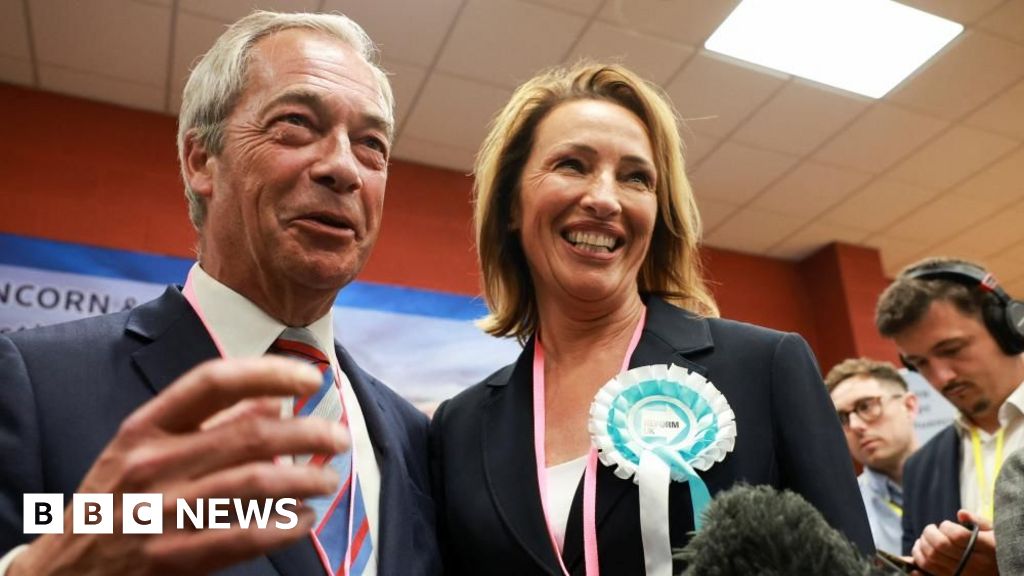
Farage and Pochin stand side by side indoors. Farage speaks while Pochin, wearing a large Reform rosette on her lapel, smiles
TL;DR: Reform UK added 501 council seats in England; Labour shed 338 seats in the early count of the 2024 local elections.
Context The early results from about 5,000 council seats across 136 English authorities show the first major test of public opinion since Prime Minister Keir Starmer’s 2024 landslide. Voters are judging the ruling Labour government two years into its term, while smaller parties seek to break the historic Labour‑Conservative duopoly.
Key Facts - Reform UK, the anti‑immigration party led by Nigel Farage, captured 501 new council seats in England. It now controls two councils outright: Newcastle‑under‑Lyme and Havering. - Labour’s tally fell by 338 seats, leaving it with 277 seats so far and control of only 13 councils, down nine from the previous cycle. - The Conservative Party lost 223 seats, mainly to Reform, but retained overall control of 284 seats and reclaimed Westminster Council from Labour. - The Green Party added 50 seats to reach 90, while the Liberal Democrats gained 28, bringing their total to 313. - Reform made inroads in traditional Labour “Red Wall” areas such as Wigan, Bolton, Salford and Halton, even taking full control of councils in Hartlepool, Tameside, Redditch and Tamworth. - Pollster John Curtice described Labour’s performance as “as bad as anyone expected, or worse.”
What It Means The surge of Reform UK and gains by the Greens suggest a fragmentation of the UK’s two‑party system. Labour’s loss of long‑held strongholds indicates voter dissatisfaction that could pressure Prime Minister Starmer to clarify his leadership timeline. The Conservatives, despite losing seats, remain a significant force but are also ceding ground to Reform.
If the trend continues through the remaining council counts, Reform could emerge as the main opposition to the SNP in Scotland and Plaid Cymru in Wales, reshaping regional dynamics. Labour’s ability to retain control of key councils will be a barometer for its national standing ahead of the 2029 general election.
Looking ahead, the final tallies from the remaining councils will reveal whether Reform’s early momentum translates into a lasting realignment or remains a temporary surge.
Continue reading
More in this thread
Conversation
Reader notes
Loading comments...