Real‑Time Data Powers Split‑Second Wins in Horse Racing and Formula 1
Live telemetry and rapid decisions shape strategies in horse racing and Formula 1, from tyre choices to jockey moves.
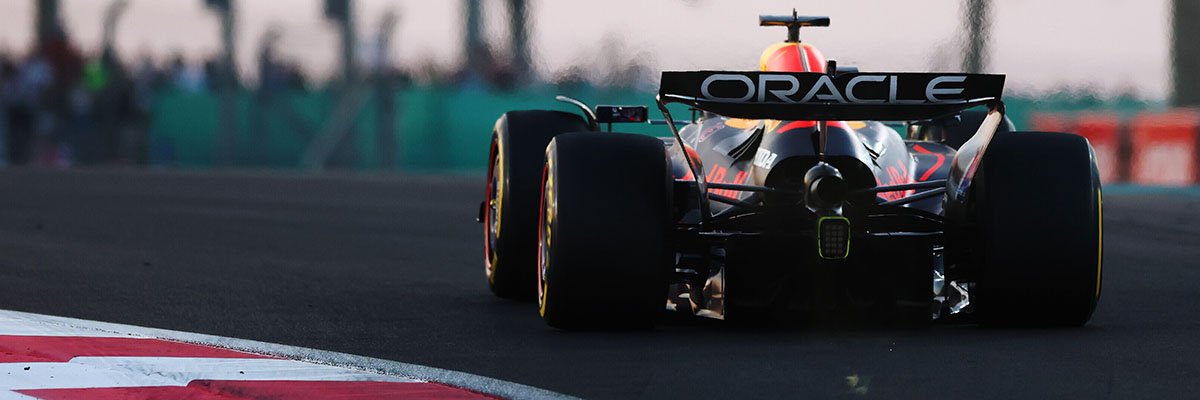
Real‑Time Data Powers Split‑Second Wins in Horse Racing and Formula 1
TL;DR
Live telemetry and instant decision‑making drive winning strategies in horse racing and Formula 1, with data‑rich environments producing parallel tactical play.
Both sports operate on a razor‑thin margin where milliseconds matter. In Formula 1, a network of car‑mounted sensors streams tire wear, speed and fuel consumption to the pit wall in real time. Teams translate those numbers into pit‑stop timing, tyre selection and fuel management. Horse racing uses comparable data streams—stride analysis, heart‑rate monitoring and blood‑flow metrics—to gauge a horse’s condition and adjust race tactics.
Predictive modelling bridges the gap between raw data and strategy. F1 engineers run simulations that test pit‑stop sequences, tyre degradation curves and the impact of a safety‑car period. Trainers and jockeys employ similar simulators that factor track condition, stall bias and weather to forecast a horse’s performance. The models do not decide the race; they equip human operators with scenarios to choose from in seconds.
The 2021 Abu Dhabi Grand Prix illustrates the potency of split‑second choices. A late safety car compressed the field, allowing Max Verstappen to switch to fresher tyres and overtake Lewis Hamilton for the championship. The decision hinged on live data about tyre temperature and track grip, executed within a single lap. In horse racing, a jockey may exploit a horse’s early speed to break away from traffic, mirroring the F1 “undercut” where an early pit stop gains track position.
External variables—rain, temperature swings and track surface—affect both arenas equally. A sudden downpour can render a pre‑planned tyre strategy obsolete in F1 and alter a horse’s footing, forcing trainers to reassess. Ultimately, the human factor remains decisive; drivers and jockeys must interpret data, anticipate rivals and act instantly.
What to watch next: As sensor technology advances, both disciplines will see richer data feeds, prompting tighter integration of AI‑driven recommendations with human judgment in the next season’s races.
Continue reading
More in this thread
Southampton Appeal Denied, Middlesbrough Set to Face Hull in Championship Playoff Final
Marcus Cole
Auburn Transfer Class Surges to No. 9 Nationally with 39 New Additions
Marcus Cole
Ronaldo’s brace delivers Al Nassr’s first Saudi Pro League title, ending his trophy drought
Marcus Cole
Conversation
Reader notes
Loading comments...