RBA Keeps Cash Rate Steady, Flags Possible Hike on New Data
The Reserve Bank of Australia left the cash rate unchanged but warned new inflation and spending data could trigger another rise. Key market impacts explained.
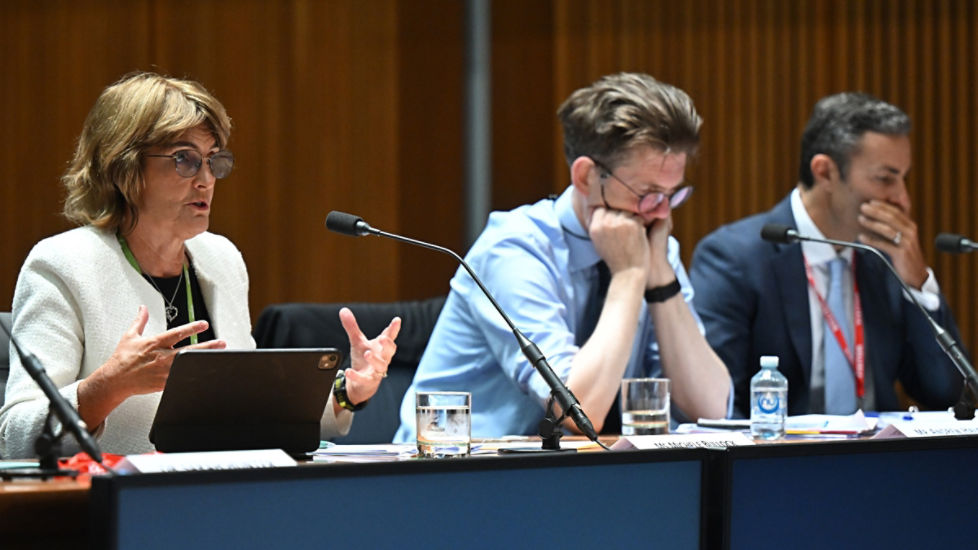
*TL;DR – The RBA held the cash rate at 4.35% on Thursday, but Governor Michele Allen said a further increase remains on the table if upcoming data show inflation staying high.*
Context The Australian dollar (AUD) slipped 0.4% to US$0.658 after the decision, while the S&P/ASX 200 (XJO) fell 0.6% to 7,120 points, wiping about AU$12 billion in market value. Inflation has hovered above the 2‑3% target band for most of 2026, and the RBA’s cash rate – the benchmark for all other rates – now sits above the level that traditionally cools growth.
Key Facts - Governor Allen told the board that “a further rate hike cannot be ruled out, depending on the data.” - She highlighted four data points that will shape policy: federal and state budget outcomes, wage‑price decisions, consumer‑spending trends, and the June‑quarter CPI (consumer‑price‑index) reading due in July. - Domestic price pressures were already high at the start of 2026; the Middle‑East conflict has added to energy costs, pushing fuel‑price‑linked goods higher. - CBA economists expect growth to slip below trend through 2026 as higher borrowing costs and cost‑of‑living pressures curb household spending. They project the cash rate to stay unchanged for the rest of the year, with a possible cut in 2027 if inflation eases. - Recent CBA data show Australian consumers remain resilient, though travel and discretionary spending show early signs of pullback. Broad‑based slowdown in consumption is not yet evident.
What It Means The RBA’s pause signals that the current 4.35% cash rate is deemed “a little more restrictive” than needed to halt growth, yet uncertainty remains. If the June‑quarter CPI stays above 3% or wage growth accelerates, the board may lift rates again, which would push mortgage rates higher and could pressure the housing market. Conversely, a softer budget outcome or weaker consumer spending could keep the rate steady, supporting equity valuations.
Investors should watch the July CPI release, the upcoming federal budget, and the Wage Price Index for the June quarter. Any surprise upward shift could trigger a rate hike, while a downward surprise may set the stage for a 2027 cut. The next RBA meeting on 23 September will reveal whether the board leans toward tightening or begins a gradual easing cycle.
*What to watch next: July CPI, budget results, and wage data – the trio that will decide if the RBA stays put or raises rates again.*
Continue reading
More in this thread
SpaceX Targets $75 Billion IPO, Aiming for $2 Trillion Valuation
David Amara
India’s 100% FDI Insurance Shift Signals Capital Influx Toward Large Insurers Despite Rich Valuations
David Amara
Rate Hike Slashes First‑Home Borrowing Power as Sydney‑Melbourne Prices Slip
David Amara
Conversation
Reader notes
Loading comments...