Putin’s May China Visit Marks 25‑Year Treaty Anniversary Amid Growing Trade Ties
Putin’s May 19‑20 visit to China commemorates the 25‑year anniversary of the 2001 friendship treaty, underscoring expanding trade settled in roubles and yuan.
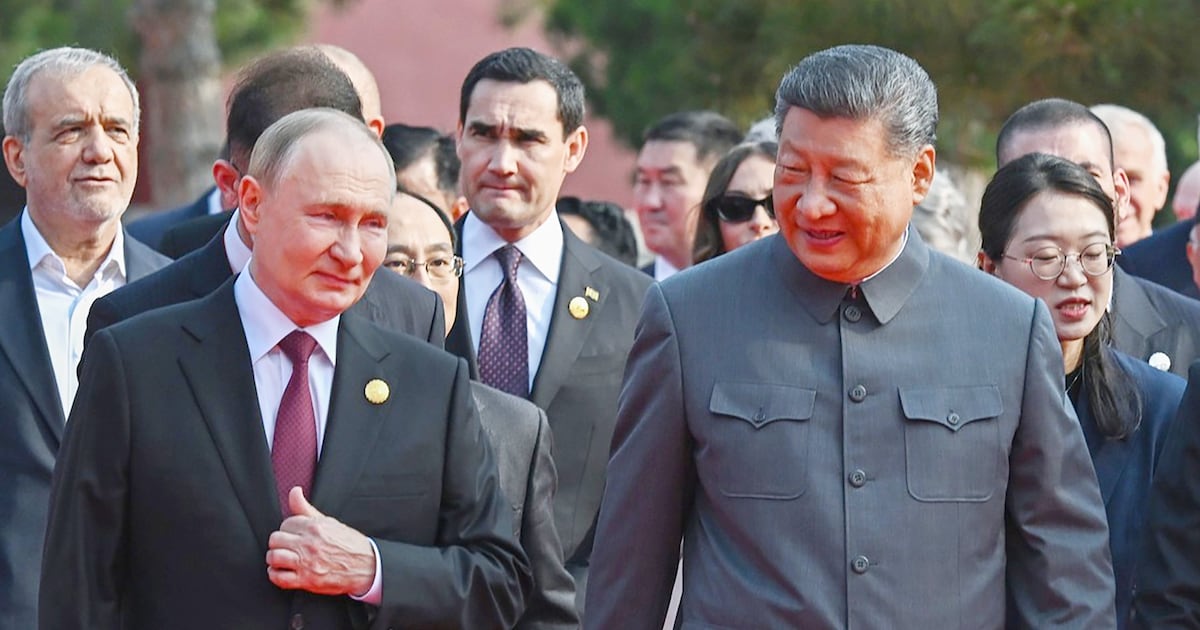
Putin will travel to Beijing on May 19‑20 to mark the 25‑year anniversary of the Russia‑China friendship treaty, underscoring growing trade ties settled largely in roubles and yuan.
The Kremlin announced the visit a day after former U.S. President Donald Trump concluded his own trip to China. Analysts note that while Washington and Beijing remain at odds over issues such as Taiwan and Iran, Moscow and Beijing have continued to deepen their economic and political coordination.
The two countries signed the Treaty of Good-Neighborliness and Friendly Cooperation in 2001, establishing a framework for long‑term collaboration. This year's visit coincides with the treaty’s silver anniversary, giving both leaders a chance to reaffirm the partnership.
Trade between the two nations has risen steadily over the past decade, with customs data showing bilateral trade exceeding $200 billion in 2023. Energy exports, particularly crude oil and natural gas, account for the largest share of shipments from Russia to China, while machinery and electronics flow in the opposite direction.
Putin told reporters that China is now Russia’s largest trading partner by volume, with the majority of transactions settled in Russian roubles and Chinese yuan. He also said the visit will focus on further strengthening the comprehensive partnership and strategic cooperation between Moscow and Beijing.
In addition to meeting President Xi Jinping, Putin is scheduled to hold talks with Chinese Premier Li Qiang on economic and trade cooperation. The Kremlin said the discussions will cover energy, infrastructure, and technology sectors where sanctions have pushed Russia toward Asian markets.
The deepening trade relationship reflects a broader shift as Western sanctions limit Russia’s access to European and North American markets. China’s willingness to settle deals in local currencies reduces reliance on the U.S. dollar and helps both countries mitigate external financial pressure.
Looking ahead, analysts will watch for any joint statements on new investment projects, potential agreements on cross‑border payment systems, and how the visit influences the broader BRICS agenda amid ongoing debates over the Iran conflict.
Continue reading
More in this thread
Kentucky Unanimously Passes HB 67 to Refine Educator‑Student Communication Rules
Nadia Okafor
South Carolina Passes Tax Cuts, Lawmaker Pay Raise, and School Bathroom Law
Nadia Okafor
West Virginia Begins Post‑Election Canvass with Hand‑Count Checks in Three Close Races
Nadia Okafor
Conversation
Reader notes
Loading comments...