Putin Legalizes Advertising on Russian Rockets as Sanctions Drain Economy
Russia authorizes advertising on rockets as sanctions cost $450B and defense spending reaches a post‑Soviet high, seeking new revenue streams.
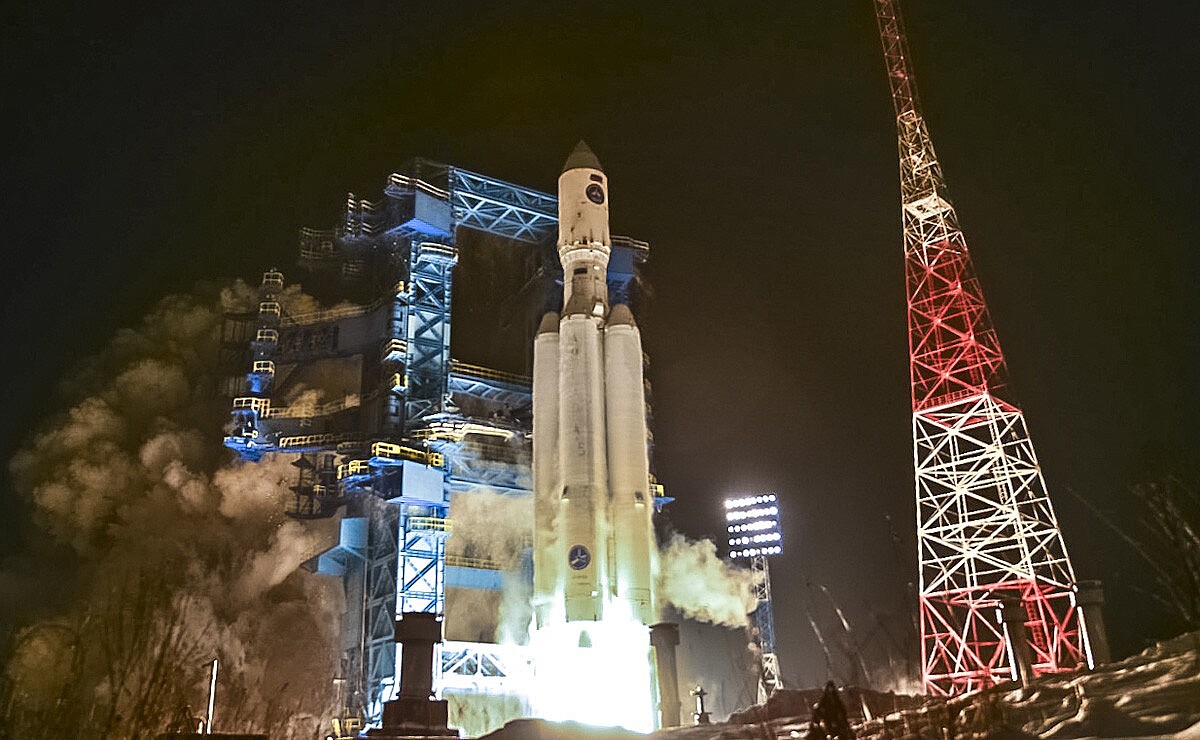
TL;DR: Russia has approved ads on rockets to generate revenue after sanctions cost $450 billion and defense spending hit a post‑Soviet high of 7 % of the budget.
The Kremlin moved to monetize its space launches as the war in Ukraine continues to cripple the economy. Sweden’s foreign minister reported that Russia’s GDP now trails the U.S. state of Texas, while inflation remains elevated. Sanctions imposed since February 2022 have stripped the country of $450 billion in trade and investment.
Amid this fiscal squeeze, Russia’s defense budget has risen to roughly 7 % of total government spending, the highest share since the Soviet era. The surge reflects the ongoing war effort and leaves less room for other state projects.
In response, President Vladimir Putin signed amendments to federal advertising and space laws last fall. The changes permit commercial messages on rockets, satellites and other spacecraft. Since January 1, Russian launch vehicles have displayed logos for banks, restaurants and other firms.
Space advertising is not new for Russia. In the 1990s Pepsi paid millions to feature its brand on a replica can outside the Mir station, and Pizza Hut painted its logo on a Proton rocket in 2000. Those deals were isolated events. The new legislation makes advertising a regular revenue stream, integrating it into official space policy.
The move signals a shift from ad‑hoc sponsorships to a systematic monetization strategy. By turning rockets into moving billboards, the state hopes to offset the $450 billion sanctions hit and fund the costly defense program without raising taxes.
Critics note that the Russian economy’s data are opaque, making it hard to gauge the true impact of the policy. Nonetheless, the decision underscores how sanctions are reshaping state priorities, pushing even high‑profile programs like space exploration into commercial territory.
What to watch next: the volume of advertising contracts signed for upcoming launches and any international pushback against commercializing Russian space assets.
Continue reading
More in this thread
T-Mobile Expands Buyback Program as Q1 2026 Revenue and Net Income Rise
Elena Voss
Russia’s Economy Falls Below Texas Size as Sanctions Top $450 Billion and Putin Approves Space Ads
Elena Voss
Trafigura Secures 434 MW Hybrid Wind‑Solar PPA with Nadara for 10 Years
Elena Voss
Conversation
Reader notes
Loading comments...