Putin Announces Sarmat Missile Deployment as New START Lapses
Russia says its Sarmat ICBM, claimed to be the most powerful globally, will enter service by year‑end, weeks after the New START treaty expired.
TL;DR
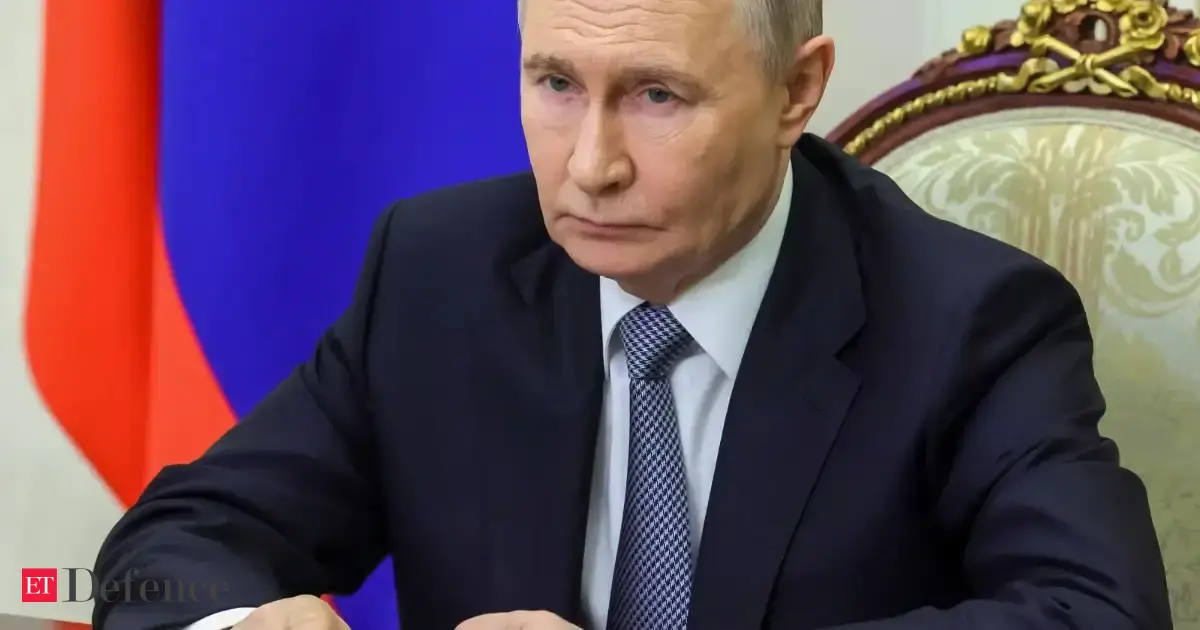
President Vladimir Putin declared the Sarmat intercontinental ballistic missile the world’s most powerful and pledged its combat deployment before the end of 2024, coinciding with the expiration of the New START arms‑control treaty.
Context The New START treaty, the last formal limit on the United States and Russia’s strategic nuclear arsenals, expired in February after more than 50 years of binding constraints. Its lapse leaves both powers without legally binding caps on warhead counts or delivery systems, reviving concerns about a new arms race.
Key Facts - Putin announced that the Sarmat missile will be operational in Russia’s strategic forces by the end of the year. - He described the weapon as the “most powerful missile in the world,” noting its warhead yield exceeds four times that of any comparable Western system. - The missile can travel over 35,000 km, perform a sub‑orbital trajectory, and is claimed to penetrate all current and future anti‑missile defenses. - Development began in 2011; the recent test was the second successful launch after a 2024 failure that caused a large explosion. - The Sarmat, known in the West as “Satan II,” is set to replace roughly 40 aging Soviet‑era Voyevoda missiles, offering higher precision while matching their destructive power. - The announcement follows a broader Russian push to modernise its nuclear triad, including new bombers, submarines, and the hypersonic Avangard glide vehicle already in service.
What It Means Deploying the Sarmat expands Russia’s long‑range strike capability at a moment when the United States and Russia lack a mutual verification framework. The missile’s claimed ability to evade existing missile‑defence shields could pressure the United States to reassess its own defensive posture and accelerate development of next‑generation interceptors. With New START expired, neither side is obligated to disclose numbers, making independent assessment of the strategic balance more difficult.
The next weeks will test diplomatic channels as Washington seeks a successor agreement, potentially involving China, while Moscow emphasizes the Sarmat as a deterrent against perceived U.S. missile‑shield threats. Monitoring official statements and any further test flights will indicate how quickly the weapon moves from declaration to operational status.
Continue reading
More in this thread
Nepal's House of Representatives to Debate PM Shah's Policy Proposal at 11 am
Nadia Okafor
Trump Says Cuba Seeks U.S. Aid, Labels Island a Failed State
Nadia Okafor
NRNA Welcomes Government's FY 2083/84 Policies Emphasizing Diaspora Engagement and Investment Reforms
Nadia Okafor
Conversation
Reader notes
Loading comments...