Protein analysis of 400,000‑year‑old Homo erectus teeth reveals Denisovan link
Enamel protein analysis of 400,000‑year‑old Homo erectus teeth from China reveals peptide matches with Denisovan genomes, suggesting ancient interbreeding and deeper ancestry insights.
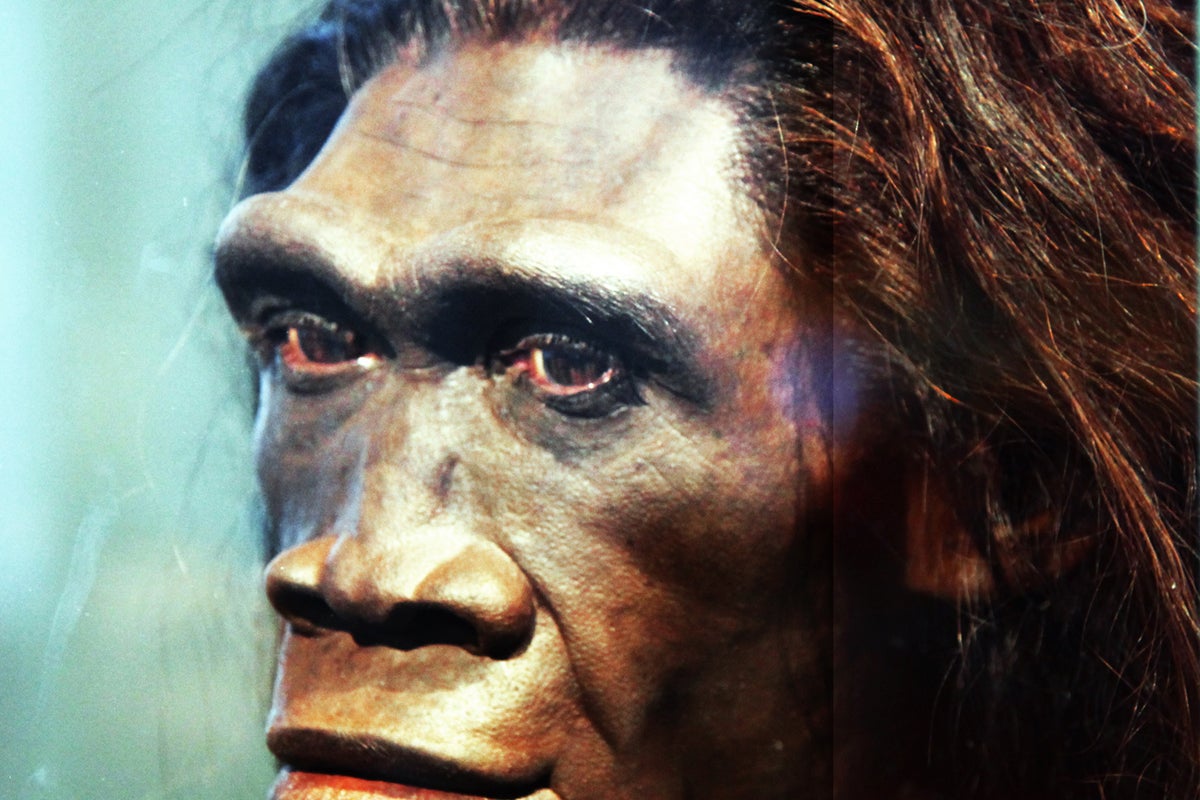
TL;DR: Researchers extracted enamel proteins from Homo erectus teeth dating to about 400,000 years ago and found peptide patterns that match those seen in Denisovan genomes, suggesting gene flow between the two groups. The work pushes protein‑based ancestry research deeper into the Middle Pleistocene.
Context
Ancient DNA breaks down after roughly 500,000 years in warm, moist settings, which places early Homo erectus beyond reliable genetic recovery. In contrast, proteins locked inside tooth enamel resist hydrolysis and can persist for millions of years. This resilience has already yielded amino‑acid reads from specimens as old as two million years. By focusing on enamel, scientists sidestep the DNA decay barrier and access deeper time periods.
Key Facts
A team from the Chinese Academy of Sciences collected microscopic enamel samples from six Homo erectus individuals recovered at three Chinese localities—Zhoukoudian, Hexian, and Yiyuan—each dated to approximately 400,000 years before present. Using liquid chromatography‑tandem mass spectrometry, they identified between six and eleven distinct peptide fragments per specimen, translating into measurable amino‑acid sequences. The Harbin Denisovan cranium, dated to a similar period, yielded a comparable peptide count, allowing a side‑by‑side comparison. When the Homo erectus peptides were aligned with published Denisovan proteomes, eight sequences showed exact matches and three displayed only a single amino‑acid substitution. These overlaps exceed what would be expected by chance given the size of the protein database.
What It Means
The shared peptide patterns indicate that Denisovans carried genetic contributions from a Homo erectus‑related population that inhabited Eurasia before 400,000 years ago. Because the signal appears in both groups, the data favor a scenario of interbreeding rather than independent evolution of similar proteins. The findings also suggest that some Homo erectus ancestry survived in later Asian hominins and may have contributed to the modern human gene pool via Denisovan introgression. Researchers plan to enlarge the sample set to include Homo erectus teeth older than 600,000 years and to apply newer proteomic techniques that can detect low‑abundance proteins. They will also test whether sedimentary DNA from the same sites can corroborate the protein‑based links. Watch for forthcoming studies that integrate enamel proteomics with ancient DNA to map the timing and direction of gene flow across the Middle Pleistocene.
Continue reading
More in this thread
CO2 Hits Record 431 ppm as NOAA Faces Funding Cuts That Threaten Mauna Loa Monitoring
Dr. Leo Tanaka
Mitsubishi Electric’s Soil Carbon Tech to Feed Japan’s 2027 Emissions Trading Scheme
Dr. Leo Tanaka
Ancient tooth proteins reveal Denisovan‑Homo erectus interbreeding
Dr. Leo Tanaka
Conversation
Reader notes
Loading comments...