Pro‑Palestine Legal Aid Requests Stay High as Universities Yield to Trump Pressure
Palestine Legal logged 1,131 requests in 2025, Columbia settled for $200 million, and activists keep seeking legal help amid university concessions to Trump pressure.
TL;DR
Palestine Legal logged 1,131 legal support requests in 2025, a drop from 2,184 in 2024 but still far above pre‑2023 levels. Universities, facing Trump‑era threats to cut federal aid, have settled with the administration—Columbia’s $200 million agreement being the largest—while student activists continue to seek counsel.
Context
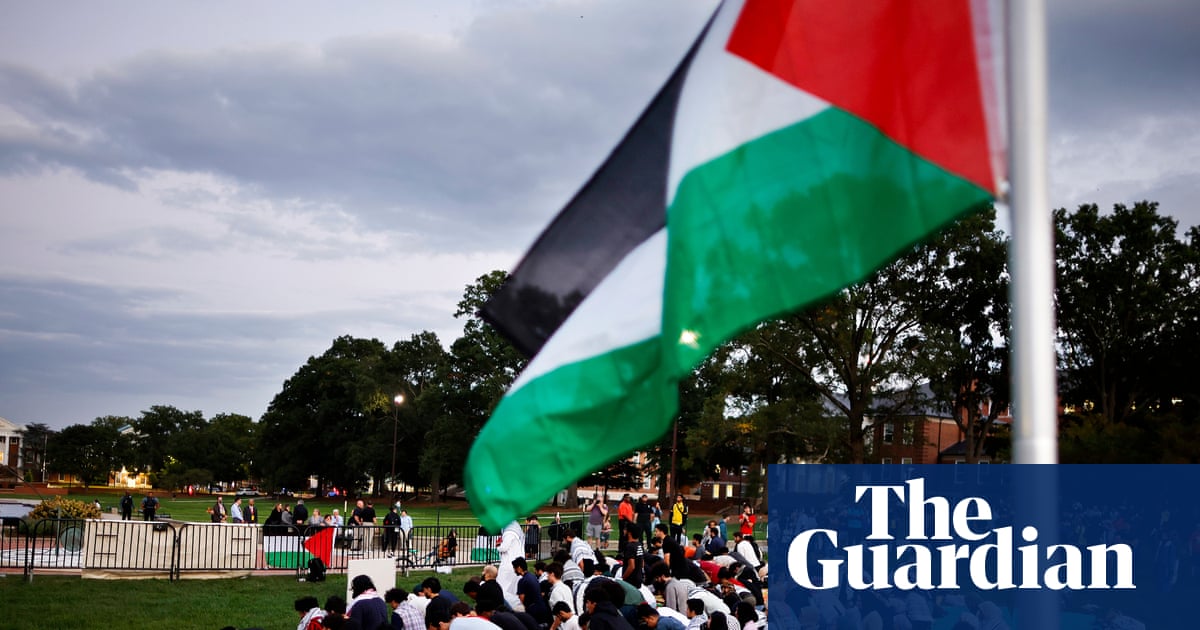
Since returning to office in 2025, the Trump administration warned colleges that federal funding could be withheld if they permitted pro‑Palestine protests. Many institutions responded by tightening protest policies and negotiating settlements to avoid financial losses. Palestine Legal, which tracks requests for legal help related to Palestine advocacy, released its 2025 year‑end report showing sustained demand for assistance.
Key Facts
- Palestine Legal received 1,131 legal support requests in 2025, down from 2,184 in 2024. - Executive director Dima Khalidi said universities have largely caved to Trump pressure, yet student activists remain morally courageous. - Columbia University settled with the Trump administration for $200 million after threats to withdraw federal funding over its pro‑Palestine encampment. - The group noted that the overwhelming majority of requests came from university students and faculty, with a growing subset of 122 immigration‑ and border‑related cases.
What It Means
The decline from 2024 reflects a chilling effect from administrative crackdowns, but the request volume remains three times higher than in 2022, indicating that the underlying movement persists. Legal groups observe that immigration‑related queries are rising, showing activists face new fronts beyond campus discipline. Settlements like Columbia’s may encourage other schools to seek similar deals to protect funding.
What to watch next: Whether additional universities reach comparable settlements and how courts rule on pending immigration cases involving pro‑Palestine advocates.
Continue reading
More in this thread
Conversation
Reader notes
Loading comments...