PowerBank Launches 4.74 MW Battery Storage in Ontario, Secures 30% Tax Credit
PowerBank's BESS SFF 06 begins operation, delivering 4.74 MW daily capacity and qualifying for a 30% clean‑tech tax credit.
TL;DR
PowerBank’s BESS SFF 06 is now delivering 4.74 MW of daily contract capacity in Ontario and qualifies for a 30% Clean Technology Investment Tax Credit.
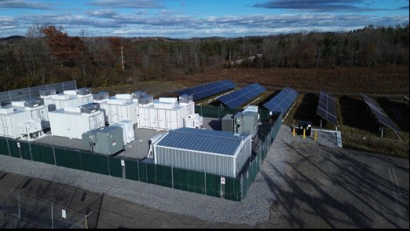
PowerBank has placed its Battery Energy Storage System (BESS) SFF 06 into commercial operation at an existing ground‑mount solar site in Ontario. The system adds 4.74 MW of daily capacity that will be paid at $1,221 per megawatt for each business day, covering 251 days per year.
The project meets the criteria for the 2024 Clean Technology Investment Tax Credit, which reimburses up to 30% of eligible capital costs. This incentive reduces the net investment required and improves the project's financial outlook.
Dr. Richard Lu, CEO of PowerBank, called the start‑up “a deeply meaningful milestone for our team.” He noted that battery storage is essential for a resilient renewable grid and that the project demonstrates the viability of the technology, contracts, and partnerships involved.
Key figures: the system provides 4.74 MW of capacity, generates $1,221 per MW per business day, and operates for 251 business days annually. The tax credit can offset up to 30% of the capital outlay, enhancing return on investment.
The activation of BESS SFF 06 expands PowerBank’s operational portfolio, which already exceeds 100 MW of completed projects and includes a pipeline of more than 1 GW. The addition supports Ontario’s grid reliability by storing solar output for use during peak demand periods.
What it means: the project illustrates how combined renewable generation and storage can meet contractual obligations while leveraging government incentives. It also signals that PowerBank’s development model can attract further investment in North American clean‑energy infrastructure.
What to watch next: PowerBank’s pipeline projects slated for 2025‑2026, and any policy updates to the Clean Technology Investment Tax Credit that could affect future storage deployments.
Continue reading
More in this thread
Conversation
Reader notes
Loading comments...